Problem-driven lead: where the puzzle starts
The scene opens with a familiar procurement headache: a pristine outdoor panel arrives, and under midday sun the colors wander; same panel, different rig, and the fast-lock mechanism binds. Those twin failures—color shift and mechanical stress—drive rental houses to return units mid-tour or pay for expensive on-site fixes. Field teams buying a led video wall for advertising need clarity on what breaks, why, and what to demand in specs. The logic here is simple: catch failure modes before they hit the road.
The core problem: how color shift and structural stress intersect
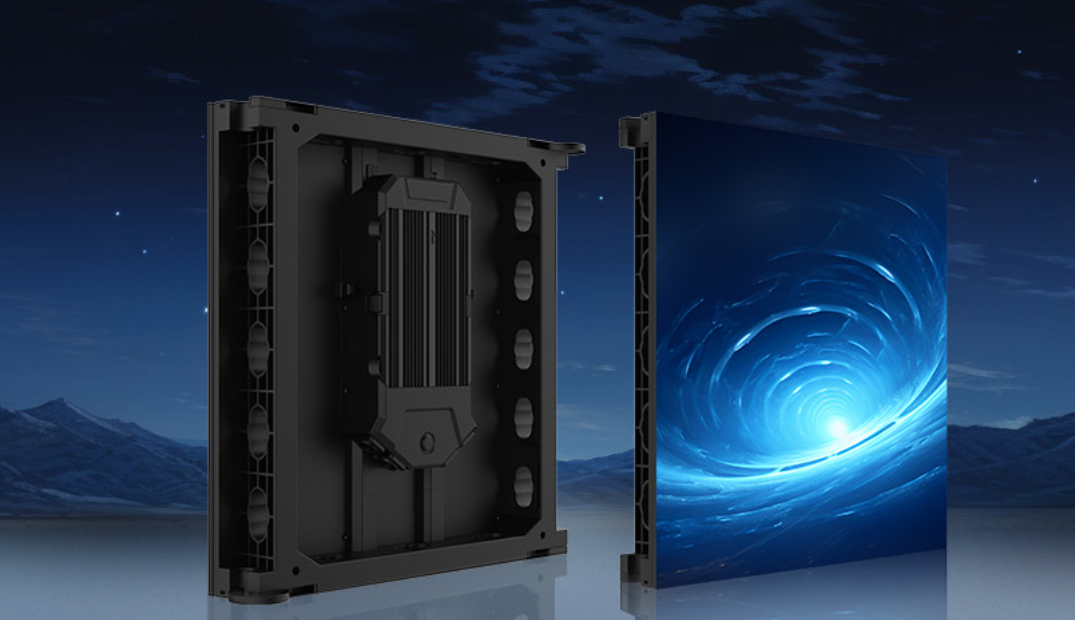
Color shift rarely appears alone. Thermal dissipation, pixel density, and inconsistent brightness uniformity all change electrical load, which stresses solder joints and the die-cast aluminum panel’s mounting points. Fast-lock mechanism tolerances that look fine in bench tests can fatigue after repeated installs, especially when wind load or uneven rigging introduces unexpected shear. Procurement teams must see these as linked failure vectors—not isolated defects.
Diagnostic checklist for procurement
Run requirements like a detective: itemize the environment, the expected install frequency, and the emergency service cadence. Include these checks in RFPs:- color stability thresholds across temperature ranges and specified viewing angles,- mechanical endurance cycles for the fast-lock mechanism (number of insert/remove cycles at designed torque),- thermal dissipation specs for cabinets and seam junctions.Demand measured results, not glossy claims. Treat the die-cast aluminum panel as a structural member: ask for measured deflection under load, and for fast-lock parts, insist on mean cycles-to-failure data. These are actionable procurement levers, not theoretical preferences.
Field testing and a real-world anchor
Time and place matter. Consider how Times Square standards force continuous daylight visibility and tight color consistency across large arrays; if a unit survives there, it’s already proven against extreme public scrutiny. On-site sampling should include a run of identical cabinets assembled and cycled through rigging and environmental stress: thermal ramp, repeated fast-lock engagement, and vibration. Record brightness uniformity, then run a color shift test over a 24–48 hour thermal cycle. Those results are the evidence that separates promises from performance.
Design fixes that work (and where they fail)
Proven fixes tend to be simple: improve thermal paths to reduce hot spots, increase tolerance control on the fast-lock mechanism, and add stiffness to panel flanges to reduce stress concentration. For color drift, adaptive calibration and per-module temperature compensation help, but they require stable electrical supply and consistent cabling practices. Beware of cosmetic fixes that conceal deeper issues—snug shims can hide panel misalignment for a week, then the color shift returns after repeated mounts. —Small, temporary fixes become long-term liabilities if they weren’t validated under repeat-cycle tests.
Common procurement mistakes to avoid
Three errors repeat more than any others. First, treating color shift as a calibration-only issue; second, accepting fast-lock specs without cycle-life data; third, ignoring panel-to-panel mechanical variation. Avoid lumping procurement and warranty expectations into vague language—specify {main_keyword} targets and test for {variation_keyword} during vendor acceptance. These specifics force vendors to produce measurable data instead of selling features.
Procurement-ready criteria and negotiation tactics
Ask vendors for an operational teardown report showing pixel density, thermal path design, and mounting-point stress tolerances. Use that report during price negotiations: higher initial cost for better tolerances reduces field failures and tour-day downtime. Include a clause requiring periodic sample returns for cycle testing during multi-year rentals—this shifts some long-term risk back to the supplier.
Advisory close: three golden rules
1) Define measurable pass/fail criteria: color shift limits in ΔE over a 0–50°C range, and fast-lock cycle life at a specified torque. These deliver clear acceptance or rejection.
2) Require real-world stress tests: assembled cabinet tests under simulated wind and vibration, plus thermal ramps and repeated mount/demount cycles before shipment.
3) Force data visibility: demand mean-time-to-failure figures and sample lab reports for structural stress tolerances and thermal dissipation metrics—no opaque claims.
Procurement that follows those rules lowers downtime and brings predictable performance to rental tours; that predictability is where value lies, and it’s precisely the sort of practical, measured solution YES TECH provides as partners in production-grade LED deployment—YES TECH. —