The problem on the factory floor
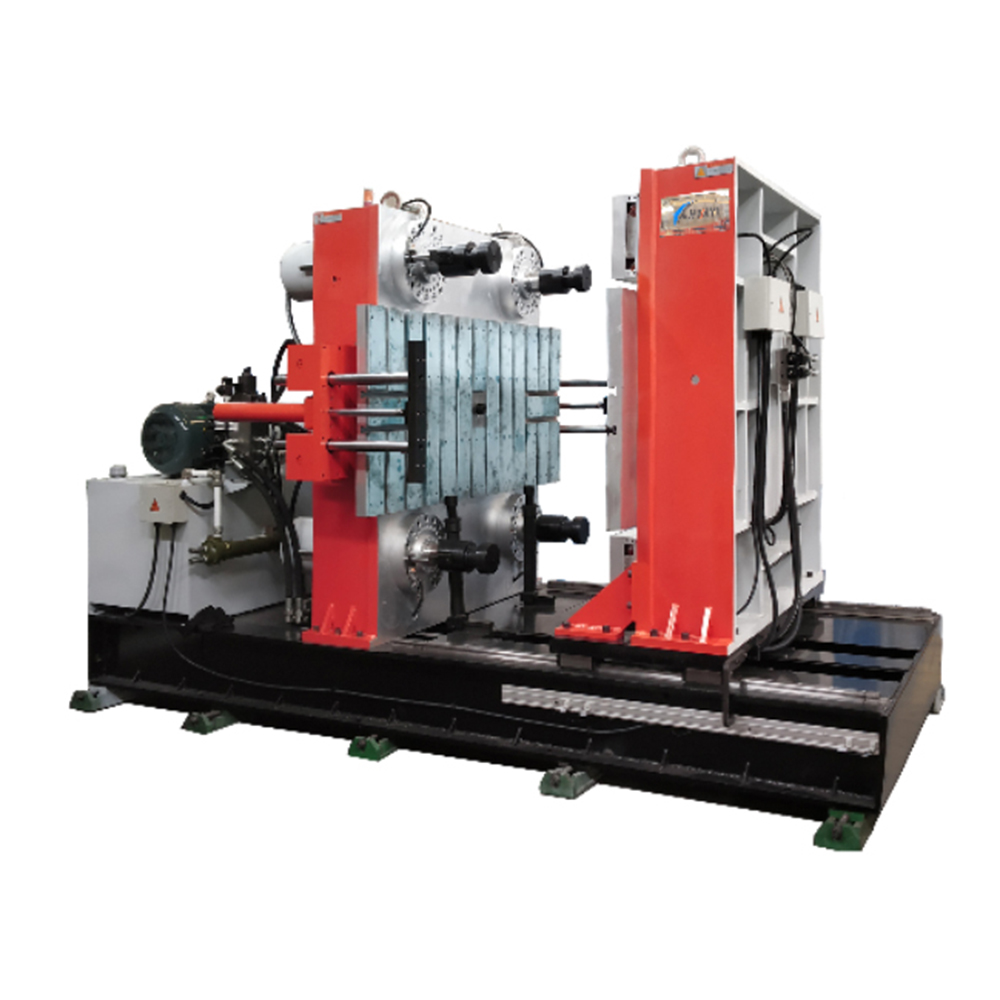
Most shops pushing thick-walled elastomer parts wrestle with the same stubborn issue: uneven vulcanization kinetics across a single moulded piece, which shows up as soft spots, flash or internal stresses. In semi-automatic setups the challenge gets worse because cycle timing and cooling are less forgiving than fully automated lines. South African plants — even out along Durban’s manufacturing corridor — know this well: a bad thermal gradient in the cavity ruins a batch fast. If you’re comparing solutions, don’t ignore the fundamentals; a horizontal rubber injection molding machine might look different but the same thermal principles apply, so the fix has to start with heat management and cure control.
Why temperature gradients wreck parts
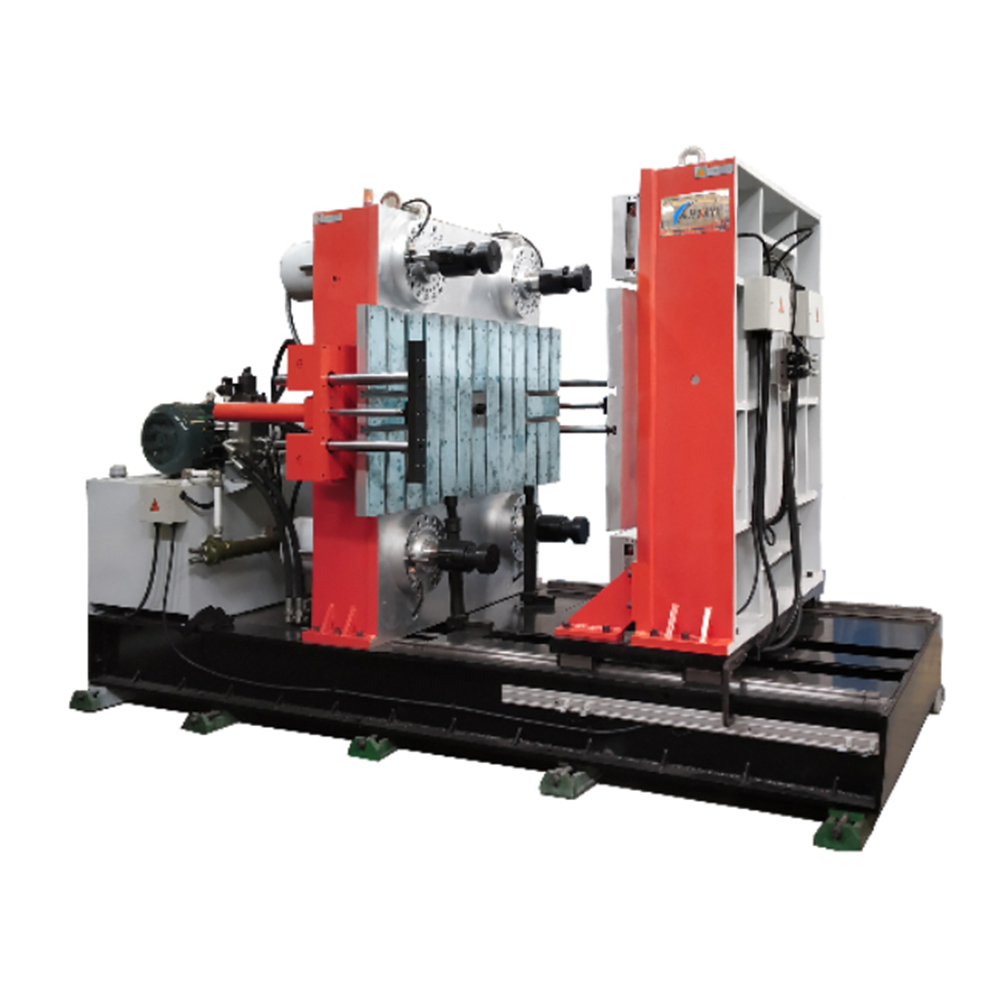
Thick sections trap heat. The outer skin cools and sets first while the core is still reacting — that mismatch in cure time creates internal tension and inconsistent mechanical properties. Mold temperature and gate design affect flow front and cure profile; so do shot size and clamping force. Getting the vulcanization profile right means thinking like a materials person and a control engineer: you’re balancing heat transfer, cure kinetics and the part’s geometry all at once. Small changes to mold temperature or cooling channel placement change the thermal gradient more than you’d expect.
Common potholes operators run into
Teams often chase symptoms: longer cycle times, hotter barrels, more catalyst. That’s doing the job backwards. Typical mistakes are oversized gates that let cold polymer rush in, uneven cooling circuits, and relying on a single mold thermocouple at the cavity floor. These give misleading readings. Also — and this trips a lot of crews up — ignoring injection pressure profiles during pack stage means the core never achieves the right density before cure. Slip one of those and you’ll see sink marks or post-cure shrinkage in the thick zones.
Practical fixes that actually work
Start with measurement. Add multiple thermocouples across the cavity and log cure curves; thermal imaging during trial runs helps spot hot and cold spots fast. Tune the process: ramp the mold temperature to a setpoint that balances skin set and core cure, control barrel and nozzle temperatures to stabilise melt viscosity, and adjust shot size and pack time to avoid under-packed cores. For tooling, consider segmented cooling, off-axis cooling lines for thick ribs, or a heated core pin where needed. On the control side, PID loops for mold temperature and staged injection profiles reduce variability — think of it like refined front-end state management, where each variable has to be predictable and testable.
How inspection and software tie together
Inspection isn’t optional: implement batch-level recording of thermocouple logs, cure time and post-cure hardness. Use that data to feed the recipe and limit human guesswork. Linking machine telemetry to a simple dashboard can catch drift before it costs a whole lot of rejects. When a line is semi-automatic, the human operator still matters — so give them clear thresholds and alarms rather than vague guidance. And when choosing processes, compare horizontal and vertical approaches side-by-side; horizontal injection molding setups might simplify cooling paths in some part layouts, which changes how you tackle thermal gradients.
Three golden rules for selecting kit and partners
1) Measure-first capability: Ensure the machine and the mould can accommodate multiple thermocouples and have accessible data logging. If you can’t measure local cure, you’re guessing.
2) Thermal design flexibility: Look for tooling partners who offer segmented cooling, insert heating and adaptable gate options. The ability to rework cooling is worth more than a marginal price cut up front.
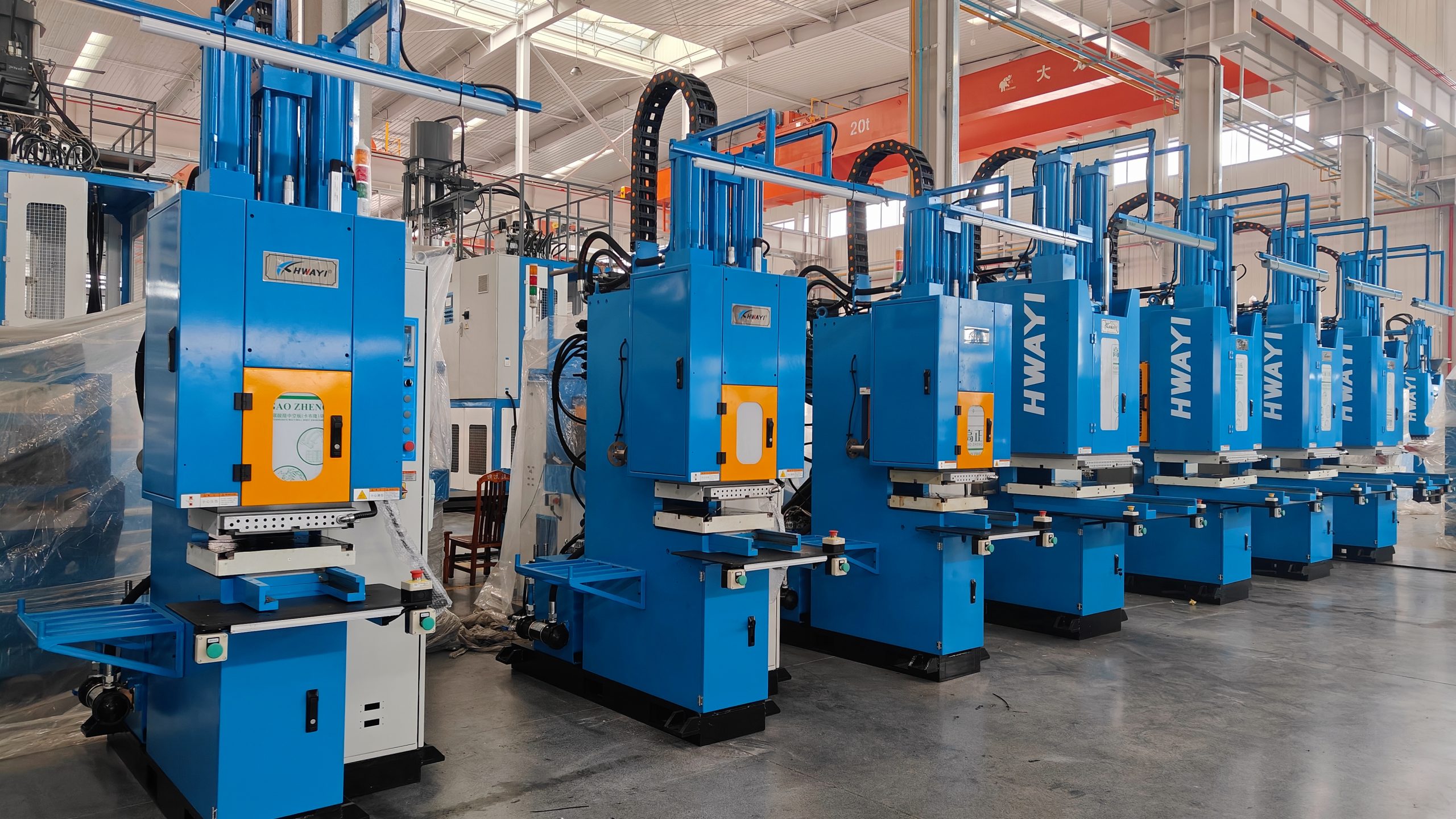
3) Control fidelity and support: Choose equipment with precise mold-temperature controllers and clear PID tuning tools, plus a supplier prepared to help with process optimisation during commissioning. That support saves real hours on the floor.
In the end, balancing cure across thick parts is less about chasing a single shiny spec and more about disciplined measurement, targeted tooling fixes, and control that does what it says on the tin — and for South African shops, that practical mix is exactly where HWAYI helps most. HWAYI — solid machines, sensible process help; worth the attention.