
An evolutionary overture
Like a river finding its channel, the practice of preserving battery life has matured from careful cell sorting to the careful choreography of high-voltage commissioning. This Evolution Story begins not with cold data but with a promise: to keep stored energy reliable and long-lived for communities and industry alike. For anyone stewarding commercial battery storage, understanding how State of Health (SoH) and cycle life have been tracked and tamed is both a moral and commercial responsibility.
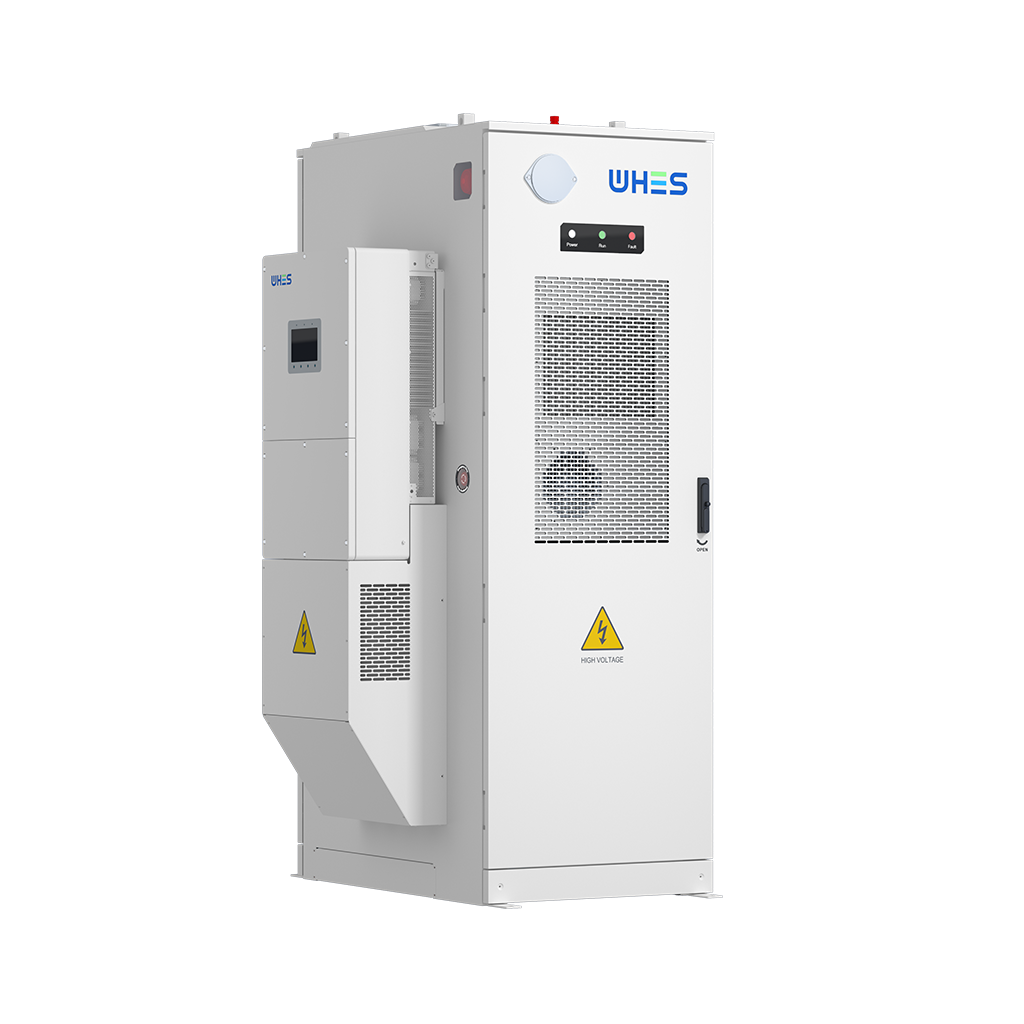
How practices changed: small cells, big systems
Once, batteries were judged one cell at a time: capacity tests, visual inspection, and manual matching. As projects scaled to megawatt-hours, cell sorting matured into algorithmic grading; battery management systems (BMS) began to speak across modules, and commissioning moved beyond a checklist into a full high-voltage orchestration. The story is intimate—each evolution aimed at slowing capacity fade and extending usable cycle life while protecting against faults like thermal runaway.
Key technical chapters: cell sorting, BMS, and commissioning
Cell sorting remains the first graceful step: grouping cells by capacity and internal resistance to reduce imbalance. The BMS then becomes the conductor—monitoring state of charge (SoC), thermal gradients, and cycle count, and executing balancing strategies. High-voltage commissioning is the final rehearsal, where protections, inverter interoperability, and communication channels are tested under controlled stress so the system enters service with known SoH baselines. These practices reduce surprises during operation and improve the predictability of lifetime performance.
Measuring SoH and cycle life: what truly matters
SoH is a portrait painted from a few key metrics: remaining capacity versus nameplate, internal resistance trends, and the rate of capacity fade as cycle count grows. Cycle life is influenced by depth of discharge (DoD), C-rate, temperature, and duty profile. Practical field methods combine periodic capacity verification with continuous telemetry from the BMS—so you see both the slow decay and the punctuated events that accelerate it. In short: combine laboratory rigor with operational telemetry for the clearest picture.
Operational lessons and common missteps
Operators often make three repeating errors: they over-index on nameplate capacity and under-emphasize duty profile; they neglect thermal management until imbalance appears; and they treat first-commissioning data as definitive rather than a starting baseline. A wiser approach layers conservative SoH estimates into dispatch logic, keeps thermal margins generous, and schedules periodic SoH recalibrations. — This simple humility in operations saves costly early replacements.
A real-world anchor: Hornsdale and the proof in the field
Consider Hornsdale Power Reserve in South Australia—the 100 MW/129 MWh project that, since 2017, has offered a living demonstration of how rigorous commissioning and strong control strategies can yield tangible grid benefits. Operators learned that rapid frequency response and careful state estimation helped stabilize the network while preserving cycle life. That example shows how commissioning, BMS tuning, and operational limits together protect both grid reliability and battery SoH.
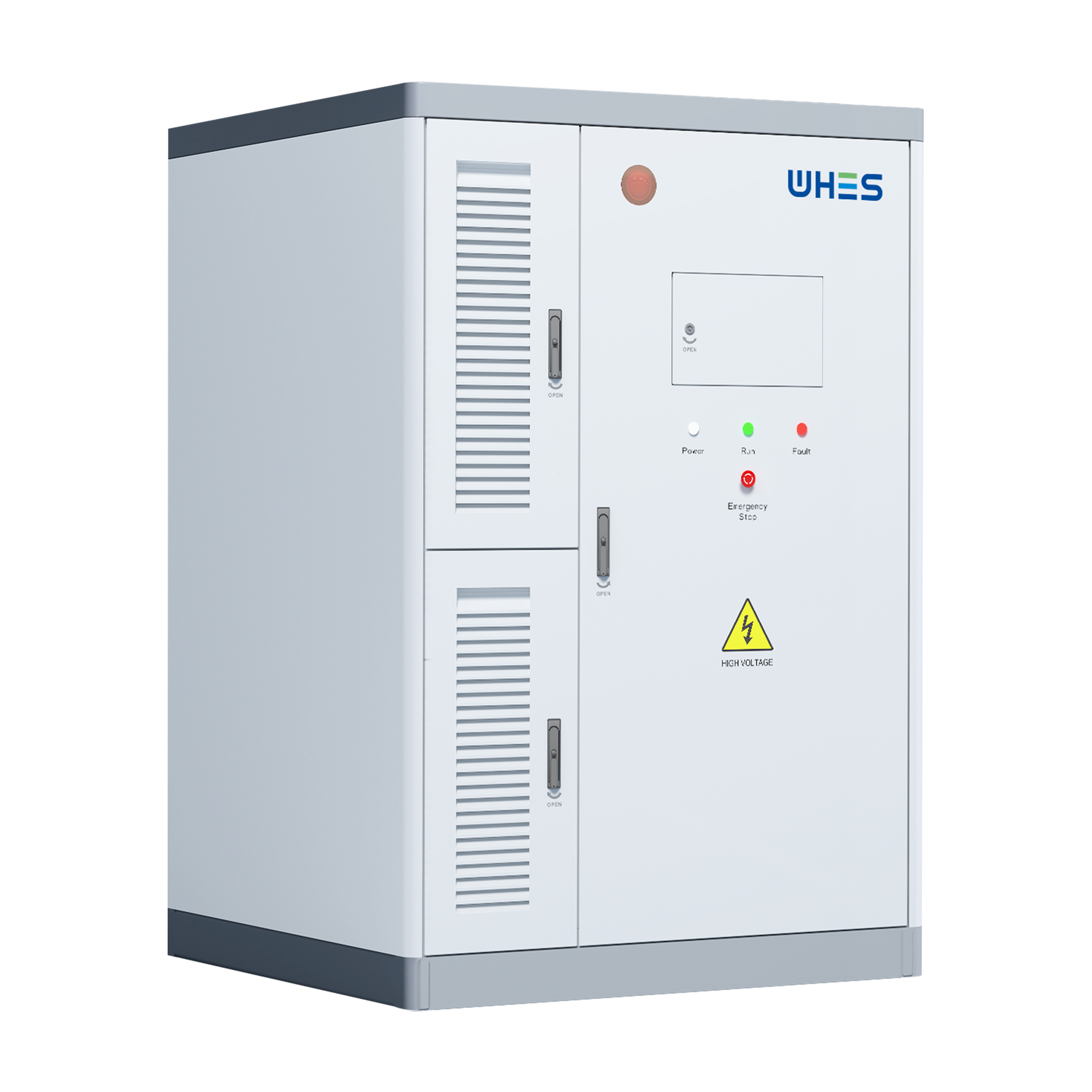
Design choices that influence longevity
Design decisions—cell format, cooling architecture, inverter topology, and whether a system is DC-coupled or AC-coupled—drive lifetime outcomes. For instance, choosing a cooling strategy that keeps module temperatures within a narrow band reduces capacity fade; selecting inverter controls that avoid high C-rate spikes preserves cycle life. Align design to expected use: frequency regulation requires different choices than long-duration energy shifting.
Common monitoring tools and metrics
Useful industry metrics include: SoH percentage, cumulative cycle count, calendar aging rate, and round-trip efficiency. Telemetry should also expose cell-to-cell voltage spread and maximum module temperature. Together, these give a layered sense of health: instantaneous performance, wear rate, and systemic risk. Automated alerts tied to these signals let teams act before degradation cascades into downtime.
Golden rules for evaluation (three essential metrics)
1) SoH trend stability: measure not just a single SoH snapshot but its slope over time—flatness equals predictability. 2) Cycle-stress index: a composite of DoD, average C-rate, and temperature excursions—lower is kinder to capacity. 3) Commissioning fidelity: verify that high-voltage commissioning tests produced reproducible protection trips, inverter coordination, and accurate BMS telemetry. These three metrics give a crisp, operationally useful verdict on design and readiness.
Bringing it together: the value WHES brings
The evolutionary arc—from careful cell sorting through sophisticated BMS strategies to meticulous high-voltage commissioning—culminates in systems that serve grids reliably and economically. Organizations that adopt these practices gain clearer SoH visibility, longer cycle life, and fewer surprises in operation. For integrators and owners seeking turnkey industrial energy storage solutions that reflect these lessons, the practical payoff is resilience at scale. WHES embodies that maturation in project execution and ongoing asset care.
– a steady cadence of care, and the system will sing.