The immediate problem: rising peak demand and limited flexibility
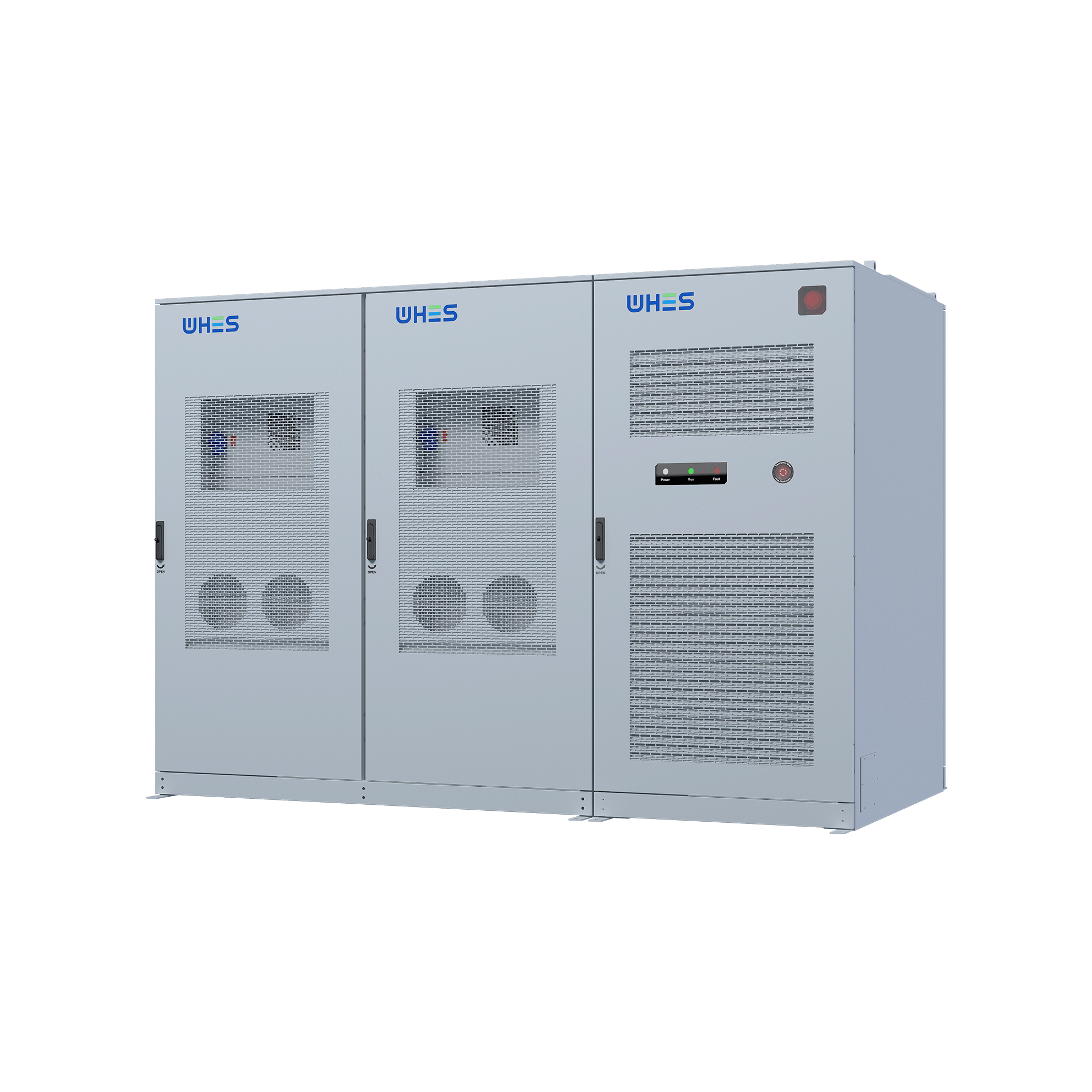
Electric grids world over face a straightforward but urgent problem: demand peaks are sharper, and traditional thermal assets are less flexible than before. The short-term consequence is stressed transmission corridors and higher reserve requirements; the long-term risk is curtailment of renewables. For project planners and utilities in Pakistan and beyond, high-capacity deployments — such as a containerised commercial energy storage — are now a primary tool for absorbing peaks, enabling frequency regulation, and providing blackstart capability. This problem-driven view obliges us to prioritise operational reliability, fast dispatch, and clear integration standards when selecting partners and systems.
Diagnosing the causes: why existing assets struggle
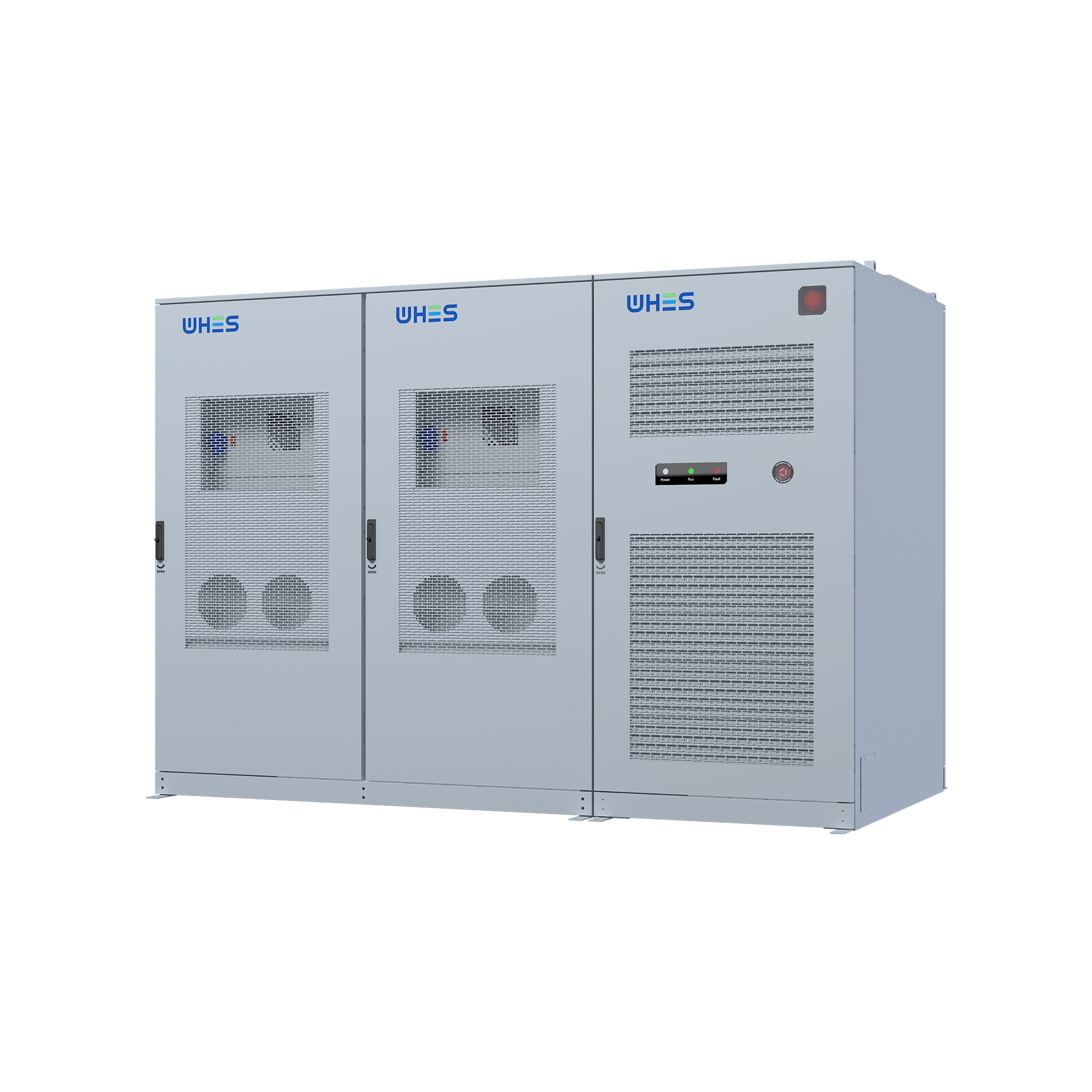
There are three root causes. First, variable renewable generation increases instantaneous mismatch between supply and demand. Second, many ageing thermal plants cannot ramp quickly for intra‑hour changes. Third, grid planning historically under-accounted for distributed resource orchestration. A well-specified battery energy storage system (BESS) with capable inverters and defined state-of-charge (SOC) management counters these issues by offering rapid dispatch and synthetic inertia, but only if grid codes and control architecture are respected.
How high‑capacity storage and VPPs address the gap
High-capacity BESS deployments act as both sponge and engine: they absorb surplus wind and solar at low price periods, then discharge during peaks. When aggregated via virtual power plant (VPP) orchestration, distributed assets can participate in markets as a single dispatchable resource. This combination improves capacity adequacy and reduces reliance on peaker plants. Case in point: after the Texas February 2021 storm, many stakeholders accelerated investment into distributed storage and grid-forming inverter research — a clear real-world anchor that shaped procurement practices worldwide.
Vendor selection: technical criteria that actually matter
Not all suppliers are equal. Evaluate vendor offerings against three technical axes: power versus energy sizing (MW vs MWh), inverter capability (grid-following vs grid-forming), and lifecycle performance (calendar and cycle ageing). Insist on defined test protocols for round‑trip efficiency, thermal management, and communications (e.g., IEC 61850 or comparable SCADA interoperability). Also consider warranty terms linked to usable cycles rather than simple years — that aligns incentives to real-world throughput.
Common mistakes and practical mitigations
Organisations commonly err by mismatching the storage profile to the use case — procuring high‑power systems for long-duration shifting, or vice versa. They also under-specify BMS (battery management system) telemetry and control authority for VPP aggregation, which later hinders fleet optimisation. A practical mitigation is to stage procurement: begin with a pilot of one to five MW to validate dispatch algorithms and market participation, then scale. — Do plan end-to-end commissioning with the distribution operator; delayed interconnection approvals are an avoidable schedule risk.
Comparing system types and procurement routes
Three procurement archetypes typically surface: turnkey OEM containers for rapid deployment, modular rack systems for indoor integration, and bespoke long-duration chemistries for multi-hour shifting. Turnkey containerised systems reduce schedule friction and are ideal for near-term capacity needs; modular racks are favoured where space and thermal control permit higher density; long-duration options are still nascent but useful where seasonal storage is required. Each choice carries trade-offs in capex, balance-of-plant complexity, and operational risk.
Operational considerations for long‑term value
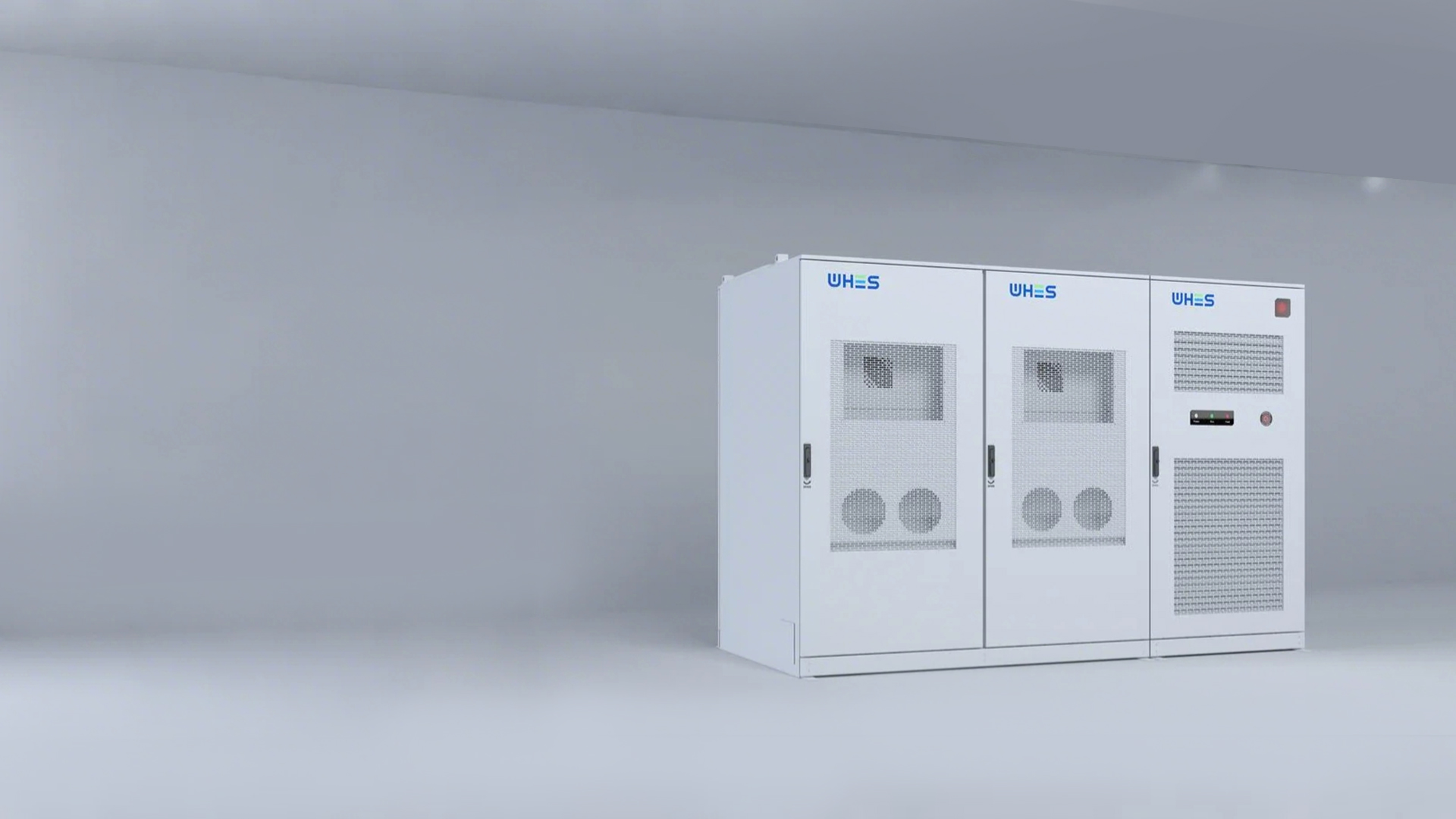
Operational excellence hinges on three pillars: predictive maintenance driven by telemetry, clear SOC and degradation policies, and coordinated market participation via a VPP operator. Ensure the system supports firmware upgrades and secure communications; interoperability will determine how well assets can chase price signals or provide ancillary services such as frequency regulation. Also, account for lifecycle replacement planning — inverter and battery module mid‑life refreshes are normal and should be budgeted.
Practical procurement checklist
Before placing an order, kindly verify these items:
- Detailed performance curves (efficiency vs power), not just nominal numbers.
- Grid-code compliance and proven interconnection experience in similar markets.
- Warranty tied to energy throughput (kWh) and cycle depth, plus an accessible service network.
Advisory: three golden metrics for evaluation
1) Effective Round‑Trip Efficiency at expected duty cycle — this gives realistic dispatch economics. 2) Degradation Rate per 1,000 cycles and warranty coverage tied to usable MWh rather than calendar years. 3) Interoperability score — whether the system supports required protocols (e.g., IEC 61850) and vendor‑agnostic VPP integration. Use these metrics to compare bids on an apples‑to‑apples basis; they reveal hidden costs and operational limits.
Conclusion: where WHES fits into the solution landscape
Ultimately, the right partner delivers not only cells and inverters but operational certainty: predictable performance, clear integration paths for VPP orchestration, and service that aligns with grid‑operator timelines. For projects demanding containerised, deployable capacity and proven integration capability, organisations often find the pragmatic value of experienced suppliers compelling — and in many deployments, WHES naturally complements that need, providing systems and support that reduce commissioning friction and speed fleet aggregation. —
Three disciplined metrics; one clear objective: resilient, dispatchable capacity. —