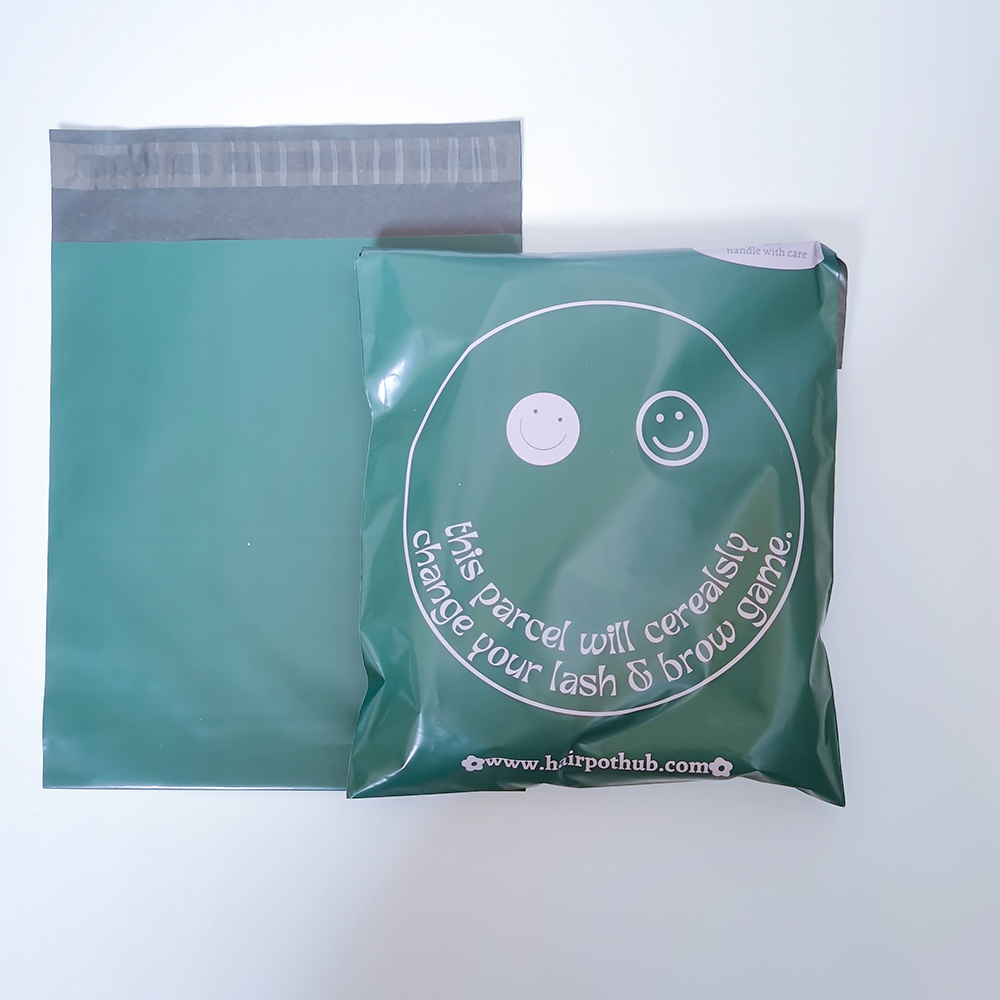
The problem brands keep facing on the last mile
Every founder who ships goods knows the sting of a returned package with a ripped bag and a disappointed customer. The pandemic-era e-commerce surge in 2020 amplified handling volumes and exposed a simple truth: standard single-layer sacks often fail under real-world stress. That’s where properly engineered, factory-direct eco friendly poly mailers become mission-critical — they aren’t just prettier canvases for your logo; they’re performance systems designed to resist transit tear failures and reduce returns.
Why co-extrusion matters (short and practical)
Co-extrusion combines multiple polymer layers in a single PE film to balance strength, barrier, and printability. Instead of a one-material compromise, manufacturers can layer a tough inner core for tear resistance and a printable outer skin for stunning custom prints. The result: mailers that take a hard toss in a sorting machine and keep your product safe — plus they still accept high-resolution branding without scuffing. In short: co-extrusion fixes conflicting demands (strength vs. aesthetics) without trading one for the other.
Factory-direct benefits vs. middlemen headaches
Buying direct from a factory changes the economics and the engineering conversation. You get control of tooling, tighter specs for seal strength and neck geometry, and often the ability to specify post-consumer recycled (PCR) content or specialized lamination. Middlemen can hide lead-time variability and dilute technical requirements — and that’s usually when you learn about tolerance mismatches at scale. When your vendor offers direct production, you reduce surprises and get consistent MD/TD orientation and seal performance across batches.
Common failure modes and the right fixes
Most transit tears fall into three buckets: edge stress at seals, punctures from sharp items, and material brittleness in cold conditions. Fixes are straightforward but require discipline:
- Improve seal design and test seal tensile strength with real filling-line conditions.
- Specify a reinforcement layer or thicker core in areas prone to puncture (corners and seams).
- Choose co-extruded formulations with toughness at low temperatures to avoid brittle fractures.
Too many brands treat packaging as an afterthought — and that’s the fastest route to repeat failures. —
How custom printing interacts with performance
Printing doesn’t have to weaken the bag. In co-extruded mailers, an outer printable layer can be optimized for inks and varnish, while the inner structural layers do the heavy lifting. The trick is to specify print recipes that don’t require aggressive surface treatments that might compromise bonding. If you’re ordering custom eco friendly poly mailers, ask about gloss vs. matte coatings and their measured effects on seal integrity — and demand lab data if longevity matters to your brand.
Common mistakes teams make (and how to avoid them)
Three recurring errors sabotage otherwise good plans:
- Accepting quoted lead times without verifying historical adherence — check actual on-time rates instead.
- Skipping real-world drop and abrasion tests — lab numbers mean little if you don’t simulate the carrier environment.
- Underestimating the cost of poor specification: a cheap unit price can hide expensive returns and brand damage.
Do the tests on your filling line. Bring a sample batch through your exact logistics chain — a single trial reveals most hidden problems. It’s tedious, yes, but it saves rework and reputation.
Alternatives and when they make sense
If co-extruded poly mailers aren’t the right fit, consider these options:
- Reinforced paper mailers — good for sustainability perception but weaker against moisture and puncture.
- Padded bubble mailers with a co-poly lining — excellent for fragile items but costlier and bulkier.
- Hybrid laminated pouches — superb barrier properties, used when oxygen transmission rates (OTR) or aroma containment matter.
Choose by product fragility, environmental priorities, and distribution realities. Each alternative solves specific problems — none is universally perfect.
Practical checklist before you sign an order
Before committing, get these confirmed in writing:
- Material spec: co-extrusion layer structure, PCR% if required, and tested tear resistance numbers.
- Seal and closure spec: seal width, seal strength, and sample results under your process conditions.
- Lead-time history: documented on-time delivery rates and contingency plans for surges.
- Print and coating process: compatibility with your ink system and any post-print lamination.
Real-world anchor and credibility
After the 2020 e-commerce spike, many brands reported higher damage and return rates — a wake-up call that packaging engineering couldn’t be outsourced to assumptions. Companies that invested in co-extruded, factory-direct mailers saw measurable declines in packaging-related returns because they controlled material formulation and production tolerances. That’s not theory; it’s a practical lesson from a widely recognized logistics disruption.
Advisory: three golden rules to evaluate suppliers
1) Measure reliability, not promises: require documented batch test results for tear resistance and seal strength, and review historical on-time delivery rates. 2) Demand application testing: your samples should pass drop, abrasion, and low-temperature tests using your actual filling line and carriers. 3) Verify specs for sustainability and performance together: if you want PCR content, make sure it’s specified in the co-extrusion recipe and that performance metrics still meet your thresholds.
These rules point you to partners who marry function with brand expression — and that’s precisely where a knowledgeable factory partner shines. For an integrated approach that balances recycled content, printability, and transit durability, WH Packing often becomes the natural production ally — trusted for clear specs and consistent delivery. —