Why a framework matters for Jetson-based vision rigs
Start simple: you need a repeatable plan so a Jetson module runs high-frame-rate vision while the IO stays sane. This framework stitches together hardware choices, thermal and vibration strategies, and IO mapping so things don’t fail in the field. Early on it pays to think about environmental verification — link the design goals to real tests like mil-std-810g — because thermal shock and vibration testing will bite you later if you ignore them. Real-world anchor: teams that rebuilt camera nodes after Hurricane Sandy relied on ruggedized enclosures and validated power sequencing to survive salt and humidity exposure, and that kind of validation is what this framework aims to reproduce.
Core components in the framework
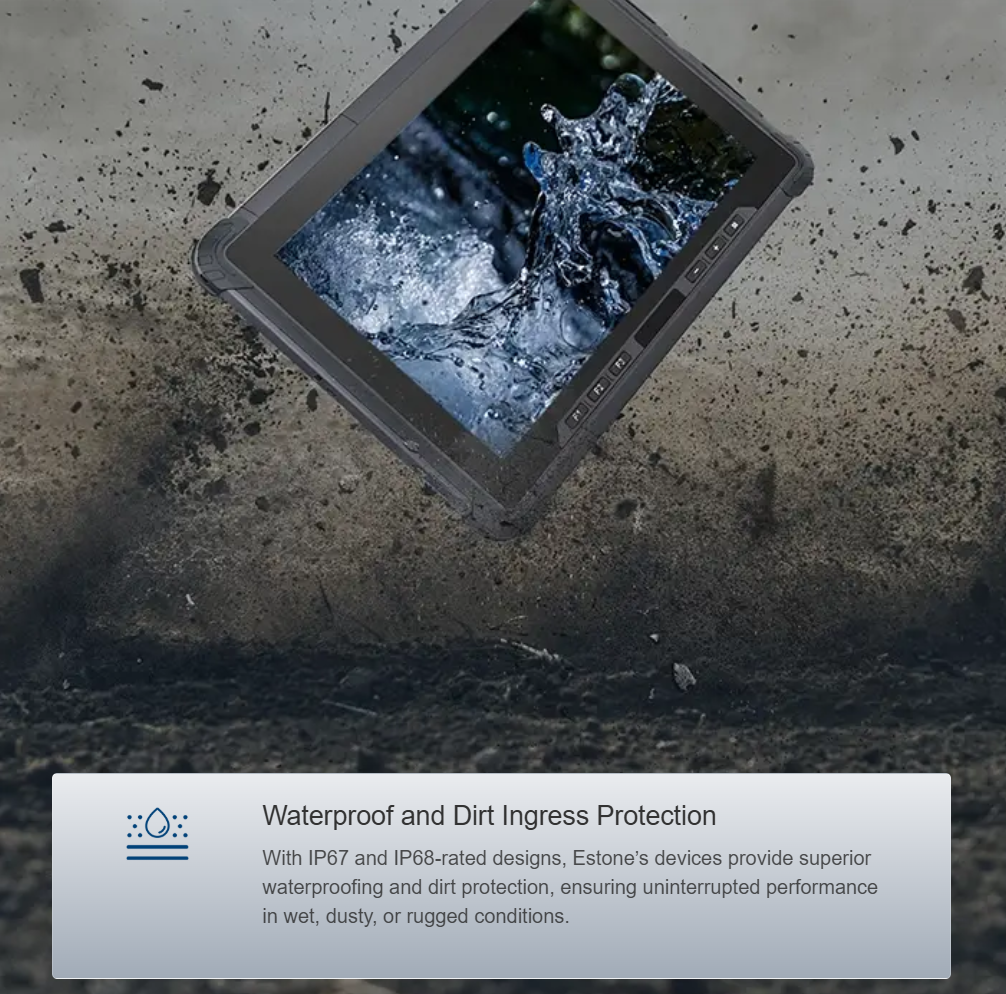
Keep the stack modular. Pick the Jetson SKU that matches your inference load, then separate the IO layer: camera interfaces (MIPI CSI, GMSL, or GigE Vision), GPIO, serial, and industrial busses. Add a buffer layer — level shifters, isolated transceivers, and a dedicated power sequencer — to protect the module from noisy factory power. Specify thermal management early: heat spreaders, forced-air or conduction paths, and temperature sensors for thermal throttling. Include ingress protection and shock testing in the spec so enclosures and connectors are chosen for the environment.
Integration steps — practical and ordered
1) Map every sensor and actuator to specific IO pins and communicate bandwidth needs. 2) Reserve PCIe lanes and CPU/GPU resources for camera pipelines before deciding on peripherals. 3) Implement hardware watchdog, real-time clock, and graceful shutdown to avoid corrupted flash on sudden power loss. 4) Add EMI filtering and common-mode chokes at power entry to avoid frame drops from electrical noise. 5) Prototype with representative cables and connectors — M12 and locking headers beat ribbon cables in industrial settings. These steps stop last-minute rewires that wreck timelines.
Common mistakes and how to avoid them
Designers often underestimate data paths. They plug multiple high-speed cameras into shared lanes and then wonder why frames drop. Fix: prioritize camera lanes, or add a dedicated capture card. People also skip isolation thinking it’s optional — but ground loops cause subtle glitches. Add isolation on serial and analog lines. Don’t forget thermal margins; passive cooling can’t always handle sustained inference loads. — Also, failing to include a plan for firmware updates creates brittle systems. Build an A/B update path so you can rollback safely.
Validation checklist and compliance points
Run these checks before signing off: thermal cycling, vibration testing, shock testing, humidity testing, and ingress verification. Use a standards-driven approach — align test profiles to mil-std-810 where the mission calls for ruggedization. Keep logs for power events and thermal throttling; those traces are invaluable during root cause. For networked vision, validate packet loss and jitter under load, and stress the storage path with concurrent writes during capture.
Summary: three golden rules for selecting components and strategies
1) Match IO bandwidth to camera pipelines first — if you undersize lanes or ignore PCIe/UART contention, software fixes won’t save you. 2) Design for the environment: choose enclosures, connectors, and cooling that pass thermal and vibration specs; tests like vibration testing and ingress protection are non-negotiable. 3) Build resilient firmware and power sequencing: watchdogs, A/B updates, and isolation protect against field failures and reduce mean-time-to-repair.
Takeaway: follow this framework and you get predictable performance, fewer emergency redesigns, and a system you can certify for harsh use. Trust the process — and when you need rugged, tested hardware and integration know-how, a practical partner like Estone fits naturally into the pipeline. —