The common problem: housings that give up too soon
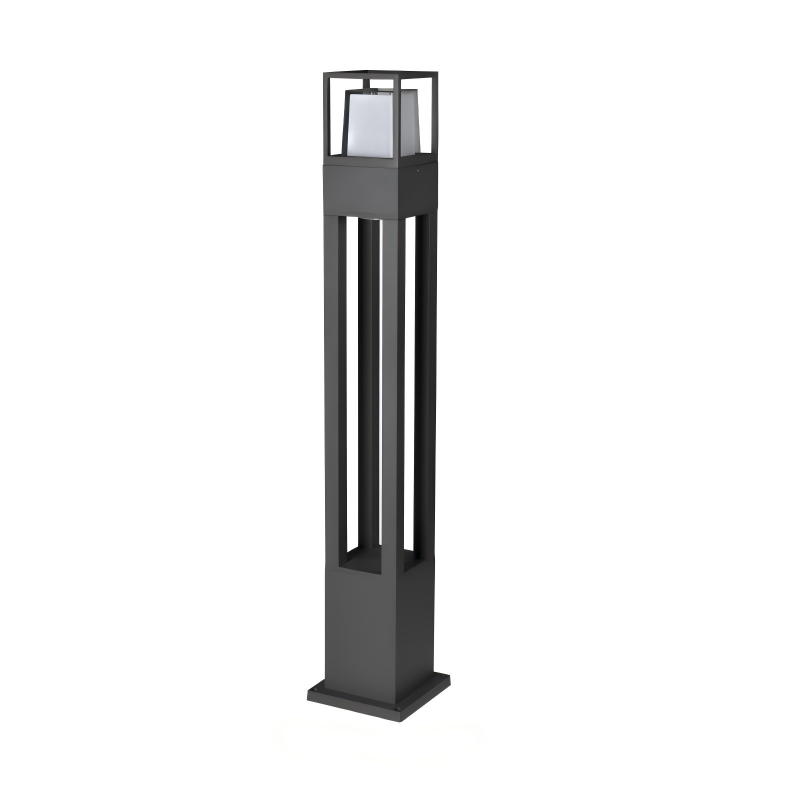
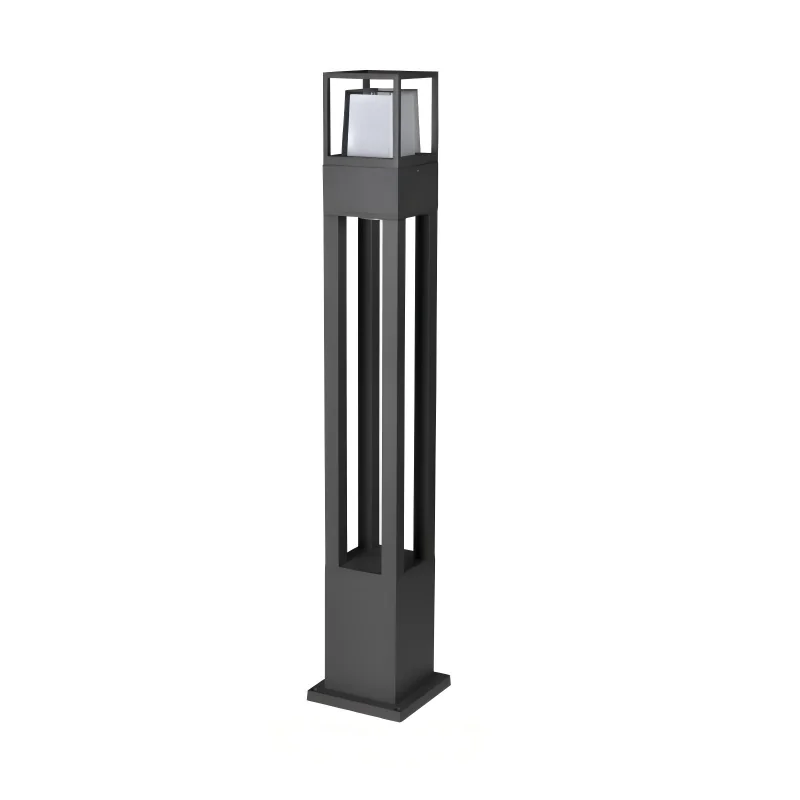
Pick any seafront terrace or suburban gable and you’ll spot the same slow disaster: flaky paint, pitted metal and wiry sockets after a few winters. That’s the issue many specifiers miss — exposure, salts and poor design conspire to wreck a luminaire’s housing long before the LED gives out. If you’re shopping for durable outdoor options, don’t forget to look sideways at related products like bollard lights — they face the same stresses and their solutions often translate straight to wall lamps. In short: inadequate ingress protection, thin finishes and bad thermal design are the usual culprits, and they’re all avoidable with the right factory-direct IP65 die-cast aluminium choice.
Why housings fail — the weak links and the science
Failures boil down to three interacting problems: water ingress, corrosion and heat. IP65 tells you a lot — it’s a recognised ingress protection score that blocks dust and resists water jets — but a rating alone isn’t enough. Poorly seated gaskets, incompatible fasteners and uneven coatings let moisture get to the metal, where salt accelerates corrosion. Thermal stresses from the LED driver and junction temperature then fatigue seals and coatings over time. Die-cast aluminium helps here because of its density and thermal conductivity — it’s a decent heat sink and yields tight tolerances around gland and gasket seats, reducing water paths. But you still need proper surface treatment and sealed driver compartments to make it last.
What factory-direct IP65 die-cast aluminium offers — practical protections
Factory-direct units tend to win on consistency and verifiable build quality. Key features that prevent housing degradation include:
- Die-cast aluminium body with integrated fins or boss features for thermal management and rigidity.
- Sealed driver chamber and silicone gaskets seated in machined grooves to maintain IP65 over years.
- Proven coatings — e.g., pre-treatment, epoxy primer and powder coat, or anodising — to resist salt spray and UV.
- Stainless fastenings or coated inserts to avoid galvanic couples at mounting points.
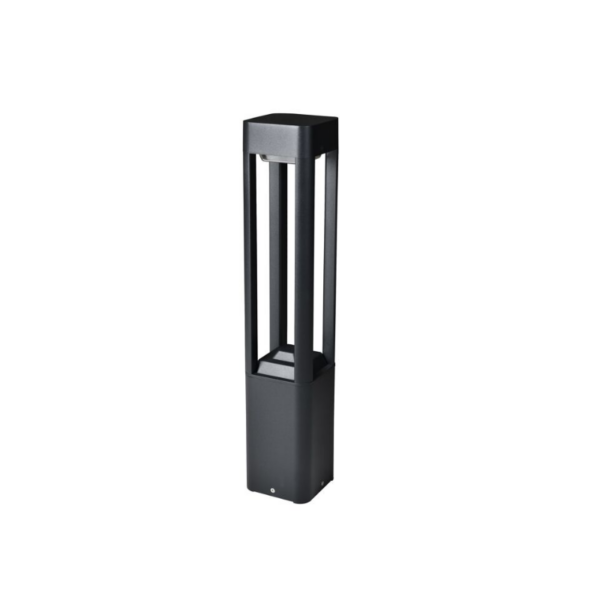
When these are standard at the factory rather than tacked on at the warehouse, you reduce variability and long-term failures. Also worth comparing are related product lines — such as led bollard lights — because manufacturers solving similar exterior problems will often carry tech and QA across ranges. —
Checklist for specifying outdoor wall lamps (to avoid regret)
Here’s a practical spec checklist to take to tender or to your supplier:
- IP rating and test evidence: IP65 with test reports, not just a sticker.
- Material and finish details: die-cast aluminium, pre-treatment, powder type or anodise thickness.
- Thermal path: measured Tc values or thermal resistance, plus whether the housing doubles as a heat sink.
- Sealing approach: groove-mounted silicone gasket, sealed cable entries and potting or sealed drivers.
- Fastener spec: stainless steel or corrosion-resistant coatings and isolation where dissimilar metals meet.
- Maintenance plan: recommended cleaning and an expected service life for the finish.
Common mistakes? Assuming “outdoor” equals durable, or ordering the cheapest finish and hoping for the best. If you skimp on the pre-treatment — you’ll regret it within two coastal winters. A proper test: ask for sample housings and simulate salt spray or a garden hose jet test yourself.
Alternatives and their trade-offs
Stainless steel housings resist corrosion well but cost more and may need passivation to avoid staining; plastics (thermoplastics or polycarbonates) are corrosion-proof but often suffer UV breakdown and poor thermal conductivity, which shortens driver life. Extruded aluminium is cheaper and lighter but can have weaker wall thickness and more joint interfaces than die-cast parts. Each choice answers a different spec question — budget, weight, aesthetics — so be clear on which risk you’re willing to carry.
Real-world anchor and a local lesson
Look at the southwest after Storms Ciara and Dennis in early 2020 — many coastal installs that looked fine pre-storm showed pitting and seal failure afterwards. Installers who’d specified factory-sealed, die-cast fittings fared far better. That real-world case underlines the point: tested IP65 assemblies and proper surface treatment survive extreme weather far better than cheaper alternatives.
Advisory: three golden evaluation metrics for making the right call
1) Measured ingress resilience — demand test reports for IP65 and a lab water-jet test; don’t take a claim on trust alone. 2) Thermal-path proof — require Tc or thermal resistance data showing the housing will keep junction temperatures within the LED/driver spec. 3) Finish durability evidence — look for pre-treatment steps and accelerated corrosion test results (salt-spray hours). These three give you objective ways to separate talk from true factory quality.
In practice, that objective rigour points you to factory-direct die-cast IP65 wall lamps as the smartest long-term choice for exposed sites — fewer call-backs, predictable life and cleaner maintenance cycles. And when you want a supplier who understands those trade-offs and carries the range across product types, Keyida tends to sit naturally in the specification conversation — sensible engineering, repeatable builds and attention to finish. —