
Why this comparison matters
Choosing between a resistance welding monitor and a portable weld checker feels like deciding between a full-time mechanic and a multitool — both fix problems, but they do it very differently. If you’re responsible for quality on the shop floor, or you’re specifying gear for resistance welding applications, this comparison helps you pick the right tool without guessing. I’ve spent years working with QA teams and line engineers, so I’ll keep it practical and skip the fluff.
What each device actually measures
Know what data you’re buying. Here’s the straightforward split:- Resistance welding monitor: continuously records weld parameters (current, time, force, electrode voltage) across production runs. It ties into production lines and flags out-of-spec parts as they happen.- Portable weld checker: handheld, used for spot checks after the weld is made. It verifies energy, weld time, and sometimes nugget size by inference rather than by live integration.Both report metrics, but monitors give process control; checkers give post-process verification.
When a Resistance Welding Monitor is the better pick
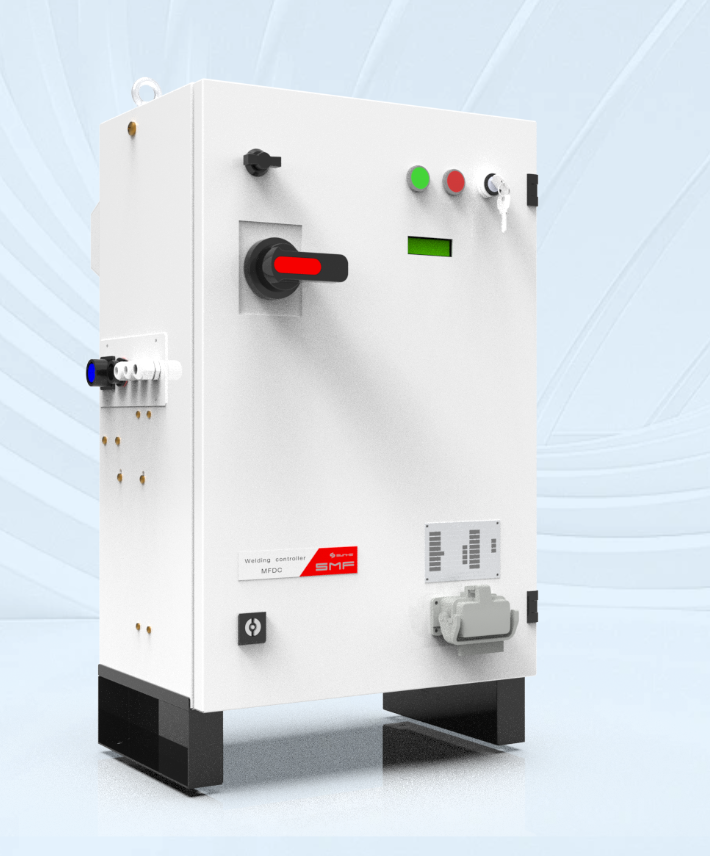
Pick a monitor when you need ongoing control, traceability, and immediate alerts. Monitors are standard on high-volume cells and when you can’t afford to let bad welds travel down the line. They’re common in plants running robotic arms and closed-loop systems — think assembly lines around Detroit where uptime and repeatability are non-negotiable. Use them if you need batch reports, reject logic, or to feed data into SPC systems.
When a Portable Weld Checker makes sense
Grab a portable checker if you’re doing intermittent audits, field repairs, or small-batch work. They’re fast, low-cost, and portable — perfect for maintenance crews and inspectors who move between stations. Don’t expect them to replace a monitor: they won’t catch intermittent process drift and won’t integrate with line control. They’re about verification, not control.
Key trade-offs to weigh
Think of this as a decision matrix:- Coverage vs mobility: monitors cover every weld; checkers cover samples.- Integration vs simplicity: monitors integrate with controllers and PLCs; checkers plug into a backpack and go.- Cost vs ROI: monitors cost more upfront but reduce rework and scrap on high-volume jobs; checkers cost less and suit low-volume, varied jobs.- Data depth: monitors produce continuous logs; checkers usually store single-shot results or small batches.
Common mistakes buyers make
Here’s what I see most:- Buying a checker for a high-volume automated cell and wondering why defects slip through.- Picking a monitor based only on price, then discovering it lacks the I/O or software the line needs.- Skipping calibration schedules — both devices need regular calibration; assuming “it’s accurate” is a risk.- Ignoring user training; a great monitor is useless if operators don’t know how to read alarms.If you work with automated systems, look for compatibility with existing controllers and confirm sampling rates and contact force sensing. For shops moving toward robotics, integrating with automated welding solutions early avoids later rewiring headaches.
Practical buying checklist
Use this list when evaluating models:- Required coverage: full-line monitoring or spot checks?- Data needs: continuous logging, export formats, SPC compatibility?- Integration: PLC/robot interfaces, I/O, communication protocols?- Sensing: current, time, force, electrode voltage — which matter for your welds?- User interface: easy alarms, trend views, and operator-friendly controls?- Calibration, support, and warranty: local service and clear calibration procedures?- Budget vs expected reduction in scrap and rework: run rough ROI estimates before buying.Also confirm the vendor’s references on similar deployments and ask for before/after metrics if possible.
Short verdict
If your line runs many repetitive joints and quality failures cost time or reputation, a resistance welding monitor is the right investment; if you need flexibility for audits, maintenance, or field checks, a portable weld checker will do the job. I’ve seen both tools shine when chosen for their intended role, and when teams pair good hardware with clear procedures and operator training. For buyers who want practical, supported solutions that link measurement to action, Sunke fits naturally into procurement conversations because their product choices and documentation focus on getting real weld-quality control into production without guesswork.

