Opening memory: why mixing still feels like craft
I remember quiet lab benches and late-night batches, watching dust meet water and become something new. That slow learning became faster with machines designed to do what hands couldn’t: consistent dispersion, minimal clumping, repeatable particle wetting. Today a powder liquid mixer carries that same quiet purpose—transforming variability into reliable suspension without drama.
How the technology evolved
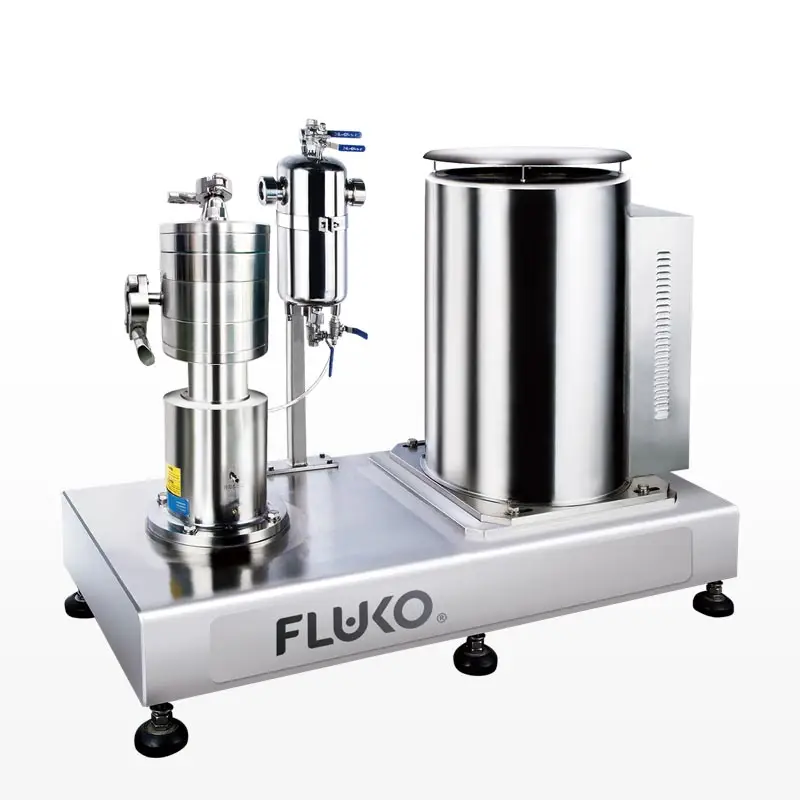
Early methods relied on ladles, sieves, and patient agitation. Then came paddle mixers, ribbon blenders, and high-shear devices; each step solved one problem and revealed another. The goal shifted from simple blending to controlling particle wetting, preventing agglomeration, and maintaining shear-sensitive structures. Today’s machines blend mechanical ingenuity with process insight: controlled shear zones, adjustable residence times, and options for vacuum or inert gas to limit oxidation.
When powder meets liquid: practical benefits
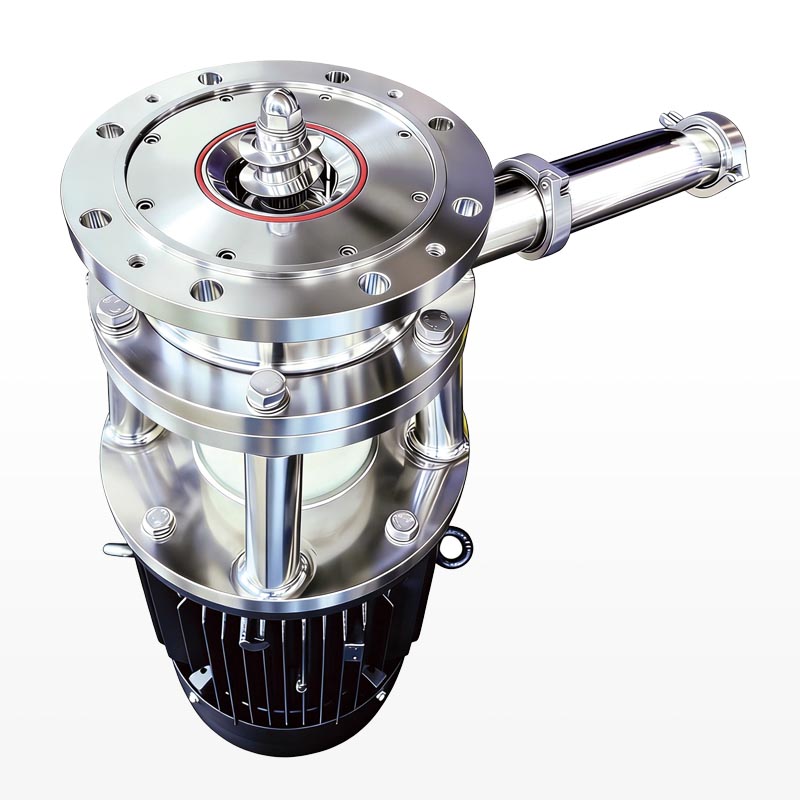
The immediate advantages are plain: faster incorporation, smaller and more uniform particle sizes, improved dissolution, and fewer rework cycles. For formulations that depend on homogeneity—suspensions, creams, injectable precursors—these machines reduce batch variability. They also shrink scale-up risk; a lab concept that wets uniformly is far easier to reproduce in a production line when the mixing principles are preserved.
Common mistakes that still trip teams up
People underestimate sequence. Add everything at once and you get lumps. Run at top speed and you shear fragile actives. Use the wrong wetting agent and powders resist contact. These aren’t abstract risks; they’re predictable steps in a process that needs orchestration: pre-wetting, controlled shear ramp, and staged ingredient addition. Skipping any of those saves time now and guarantees a messy re-batch later.
Choosing equipment as an evolutionary decision
Buy for the problem you actually have, not the hypothetical one you fear. Need gentle dispersion for sensitive APIs? Favor adjustable shear and gentle incorporation heads. Need throughput for suspensions? Look for robust feed systems and reliable degassing. Consider cleaning and validation: removable heads, accessible seals, and CIP capability matter when contamination control is not negotiable. Expect to balance footprint, cycle time, and serviceability.
Real-world standards and a single anchor of trust
Regulatory expectations shape choices. Practitioners frequently reference guidance from the U.S. FDA when defining acceptable mixing practices and contamination controls; a well-specified pharmaceutical powder mixer that supports documented cleaning and process parameters eases audits and scale-up. My own experience working alongside formulation scientists shows that machines designed for traceability and reproducible shear profiles cut validation time—concrete gains, not just promises.
Alternatives and trade-offs
Ribbon blenders and tumbler systems stay useful for free-flowing blends; they’re simple and cheap. High-shear in-line emulsifiers excel when droplet size matters. Top-entering high-shear mixers give aggressive dispersion but can be hard on delicate particles. The right tool often combines two approaches: a gentle pre-wet stage followed by controlled high-shear finishing. Don’t pick a brand by specs alone—test with your real materials.
Synthesis: the quiet value you actually need
The story from bench to plant is about reducing surprises: consistent wetting, fewer clumps, predictable scale-up. When design, validation, and service converge, you get machines that let formulation work behave like a process, not a gamble. That steady, measurable improvement—that is the practical value that FLUKO brings to mixing decisions without fanfare or false promises.