
Problem first: projects lose time and budget because suppliers and buyers don’t speak the same language
Projects stall when paint deliveries arrive late, colours don’t match, or products fail environmental checks — and that costs weeks and rand. Suppliers in Asia can offer competitive prices; I’ve seen procurement teams turn to options like spray paint china for cost relief, only to discover lead-time and spec gaps that weren’t obvious at the RFQ stage. The problem is simple: mismatched expectations become expensive mistakes.

Root causes that repeat on site
Specifications that are too vague. Acceptance testing that happens after bulk arrival. Over-reliance on one logistics route. Inconsistent labelling and MSDS details. And weak clauses on sample approval and warranty. Those elements combine to create surprises — spray pattern flaws, adhesion problems, or VOC non-compliance that derail schedules.
Fixes that work: tighten specs, test early, plan buffers
Create a short, non-negotiable spec sheet for every paint family: substrate, gloss level, dry time, film thickness, and acceptable colour tolerance. Insist on pre-production samples and a two-stage approval (colour & performance) before bulk manufacture. Add a realistic buffer to lead times for overseas suppliers and split orders when possible so you can reject bad batches without killing the whole run. If compliance matters — and it does — check regulatory limits before purchase: for example, California Air Resources Board (CARB) aerosol VOC rules are commonly referenced by specifiers and manufacturers, so include low voc spray paint in approvals to avoid downstream rework and compliance headaches.
Procurement tactics that prevent rework
Use batch-level traceability: batch number, date code and sample retained for every shipment. Tie payment milestones to documented test results, not just delivery. Agree on packaging and labelling up front to avoid repackaging on arrival. Negotiate minimum order quantities that reflect actual consumption, or stagger orders so you can qualify suppliers over three deliveries rather than one big gamble.
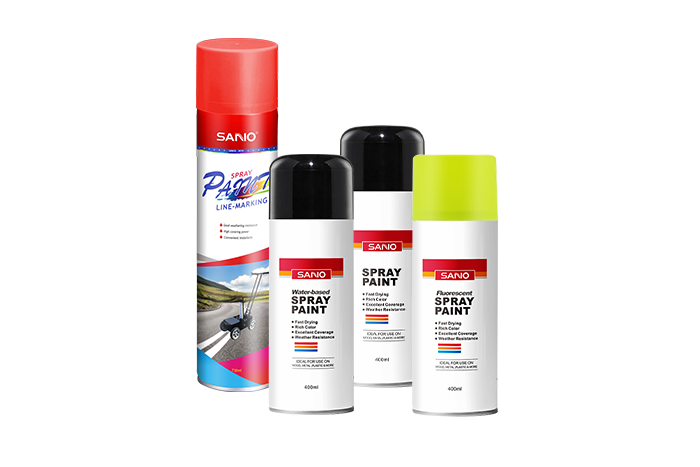
Common mistakes teams keep making
Relying solely on certificates without physical testing. Approving a visual sample without adhesion or weathering checks. Assuming all aerosol cans labelled the same perform identically. Forgetting to check shipping seasonality and its effect on can pressure and propellant behaviour. Each of these leads to returns, worse warranties, and lost reputation with clients.
How supplier relationships should change
Treat suppliers as technical partners, not just price points. Build short technical audits into contracts: sample audits at manufacturer, periodic QC testing on arrival, and a fixed protocol for dispute resolution. Share consumption forecasts so suppliers can manage stock and avoid rush imports. Use contract clauses that require corrective action plans for non-conforming lots — and include liquidated damages for repeat failures if your project can’t afford uncertainty.
Synthesis: clear specs and tested supply cut waste and time
Be direct about what you need, test before you buy, and split risk across deliveries. That approach reduces rework and keeps projects on track — and it’s the simple value SANVO brings by combining consistent product standards with traceable manufacturing and regulated low-VOC options like their alternatives for sensitive projects.

