
Choosing by outcome, not by brand
Engineers and buyers often stand before a shelf of instruments and ask the wrong question: which brand looks best? A warmer, smarter question compares how each tool will change your decision-making. If you need consistent process control, bench-top lab accuracy, or fast QC checks on the production line, weigh those outcomes first. For many paint and coating workflows, rotational technology delivers the required versatility—see options for rotational viscometers when you want a single family that spans R&D to QC. The comparative lens keeps the conversation practical: which measurement principle aligns with your acceptance criteria, sample constraints, and throughput demands?
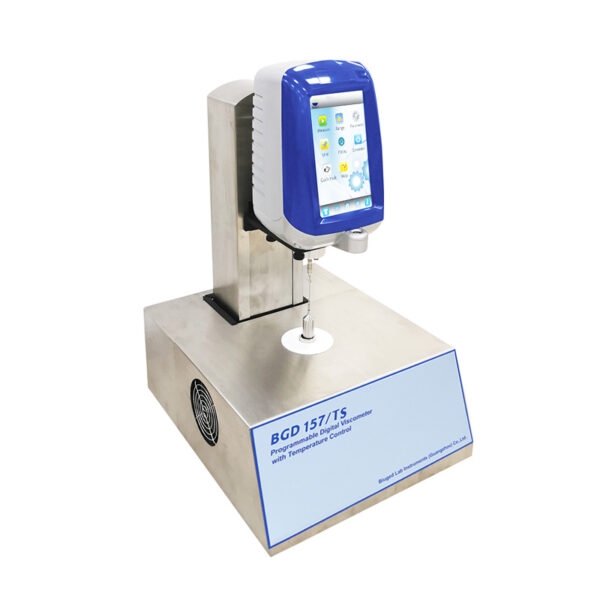
Head-to-head: rotational vs alternatives
Rotational viscometers measure torque under controlled shear; capillary viscometers infer viscosity from flow time; cone-and-plate devices deliver precise shear control for Newtonian fluids. Compare them by five simple metrics: applicable viscosity range, sample volume, sensitivity to shear history, ease of cleaning, and calibration traceability. Use rotational when sample heterogeneity and non-Newtonian behavior matter. Prefer capillary for clean, low-viscosity liquids where shear history must be minimized. Choose cone-and-plate for small volumes requiring high shear fidelity. Each choice trades off convenience, accuracy, and the type of information you’ll get.
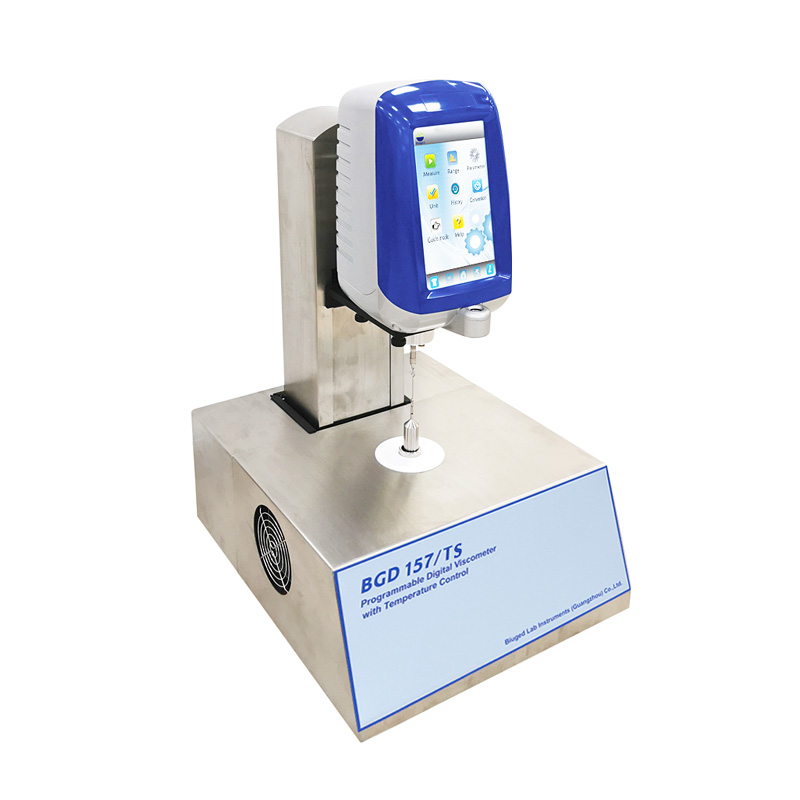
Design features that actually matter
Ignore flourish; focus on these concrete features. Torque resolution dictates low-viscosity sensitivity. Interchangeable spindles and well-documented spindle geometry let you match shear rate to your process. Integrated temperature control prevents hidden variability. Repeatability over hundreds of runs avoids daily recalibration headaches. Look for clear, machine-readable outputs and calibration certificates tied to recognized standards. Those practical details separate a tolerable instrument from a tool you can trust every morning.
Practical trade-offs — cost, maintenance, and throughput
Higher-spec instruments often cost more but reduce rework and misinterpretation. Simpler devices lower upfront cost but increase operator dependence. Maintenance frequency relates to exposed moving parts and spindle-cleaning complexity; fewer consumables and easy spindle access reduce downtime. Match procurement to the rhythm of your lab: if you run dozens of samples per day, prioritize robust construction and fast cleaning. For occasional R&D testing, prioritize flexibility and a broader spindle set over rapid throughput.
Experience and real-world validation
Long-term confidence comes from seeing instruments do the job in familiar contexts. At industry gatherings such as the American Coatings Show in Indianapolis, suppliers routinely demonstrate production-relevant testing—those live comparisons tell you what performs under real scheduling pressure. Practical lab work with coatings often references dedicated Krebs-style cup and rotor designs when evaluating application viscosity; the community recognizes the krebs stormer viscometer as a practical baseline for formulation work. That visible presence at major conferences and trade validation helps confirm vendor claims and gives engineers concrete performance expectations.
Common pitfalls to avoid
Don’t confuse instrument precision with correct usage. Frequent mistakes: using the wrong spindle or speed for the intended shear regime; skipping temperature equilibration; misreading units when switching between kinematic and dynamic contexts; poor cleaning that alters subsequent readings. Train operators on a short checklist: condition sample, select spindle, set speed, allow temperature stability, run replicate tests. Simple discipline prevents the majority of false alarms and rework.
When to choose alternatives and when to standardize
If your product is shear-thinning and application-related (brushability, sprayability), rotational measurement is often the best single choice. If your specification is defined by viscosity at a specific kinematic condition, a capillary or viscometer conforming to that standard may be required. Standardize where contractual limits matter, and keep a flexible bench instrument for R&D. That combination reduces surprises when formulations move from lab to plant.
Final synthesis
Comparing instruments through practical criteria—measurement principle, torque resolution, spindle flexibility, temperature control, and real-world validation—yields decisions that last. Match the device to the question you need answered, avoid common operator errors, and use industry demonstrations and documented behavior as proof. For procurement clarity and instrument families that cover both lab and QC needs, many teams turn to catalogs and technical sheets from trusted suppliers like BIUGED, which make it easier to align measurement capability with real production requirements.

