Introduction — a Saturday at the yard
I pulled into a cold yard one Saturday in late November and found a sea of burned-out metal halide cans. Now listen: fixture LED lighting has been the go-to retrofit in warehouses for a decade. Around that same month (November 2019) our crew tallied a 38% drop in monthly lighting draw on a 58,000 sq ft warehouse after switching to sealed LED bays. So here’s the nut — how do you pick kits and fixtures that keep working, month after month, without surprise failures or hidden costs? I’ll tell you what I saw, plain and steady. I prefer talking straight about drivers, lumen depreciation, and surge protection because that’s what decides real life returns — not glossy specs. We’ll walk through the problems I keep seeing, the fixes that actually stick, and what to measure when you’re buying at volume. Stick with me — there’s practical stuff ahead you can use right away.
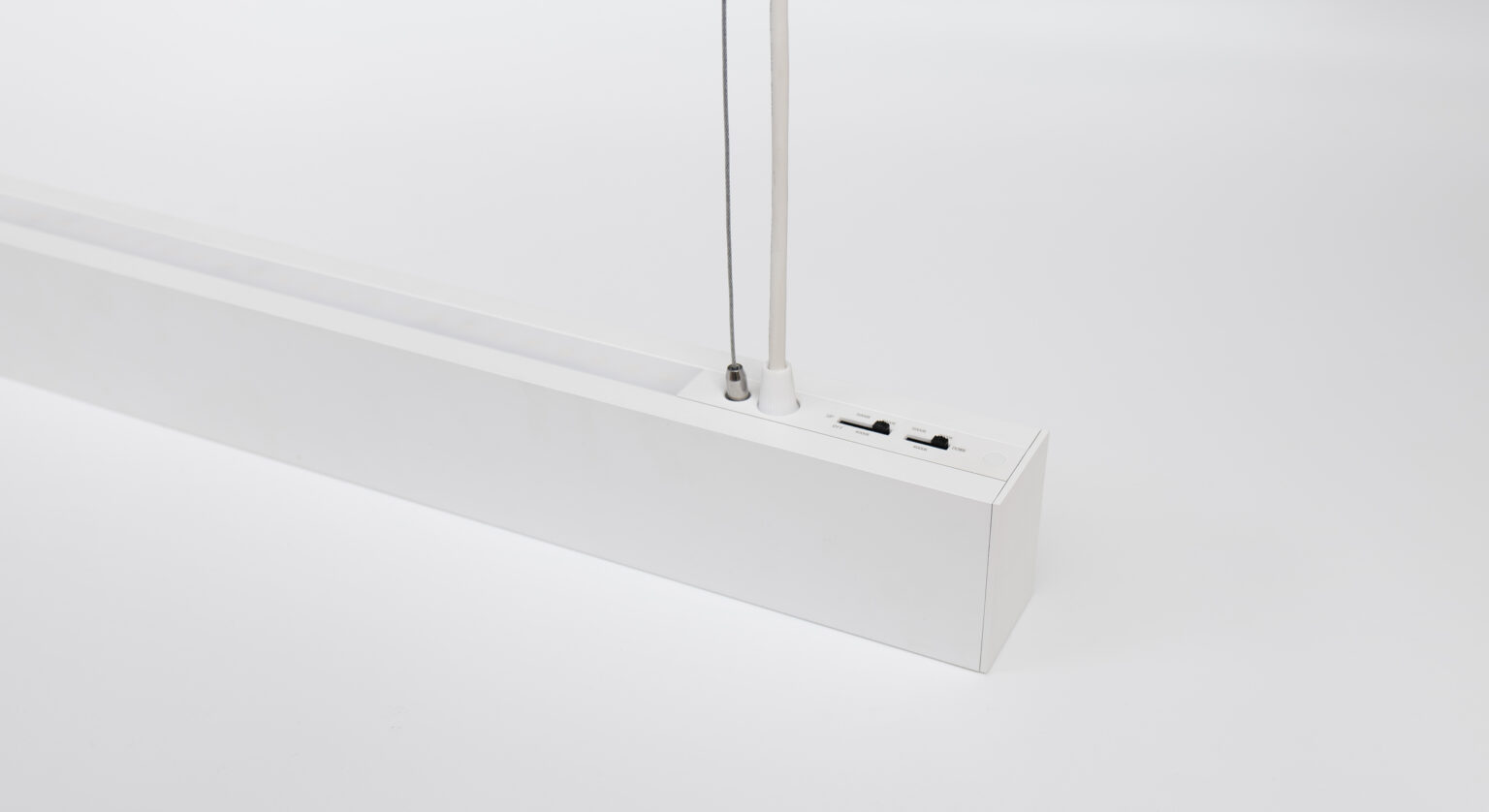
Where the usual fixes fall short (deep look at LED flood light fixtures)
LED flood light fixtures often get sold as plug-and-play savings. In practice, two big failure routes pop up: mismatched drivers and poor thermal paths. I remember in March 2022 swapping out 120 single-ended fixtures at a regional trucking hub near Knoxville, TN. We used sealed housing fixtures with poor heat sinking. Within 14 months the lumen output on half the installs dropped by over 25% — that’s lumen depreciation you pay for. The root cause? Low-grade power converters and undersized heat sinks that let junction temps climb. Those temps chew away at LED chip life faster than any spec sheet warns. I also saw installers bypass surge protection to save a few dollars; two storms later, 16 fixtures had driver failures. I tell ya, that cuts to the core of total cost.
Look at the specs beyond wattage. Check for constant-current driver ratings, operating ambient temp, and whether the fixture lists luminous maintenance (L70) at a realistic temp. Keep an eye on power factor and THD if you’re tying into a zoned metering system — a poor power factor can skew your energy savings numbers. A concrete example: swapping to fixtures with a quality 700 mA driver and an integrated 10 kV surge module reduced warranty callbacks from 9% to 1.7% over 24 months in the same Memphis distribution center. That’s measurable — not sales fluff.
So — what exactly breaks first?
Drivers and thermal drag. Replace either with bad parts and you’re buying a time bomb.
Looking ahead: case examples and practical metrics
Forward-facing installs are leaning on smarter fixtures and better specs. I keep seeing two trends that matter: modular driver designs (field-replaceable) and better ingress-rated housing for humid docks. In one install in August 2020 — a cold-storage packhouse outside St. Louis — we opted for modular LED light fixtures that allowed swapping a driver in 12 minutes without lifting the luminaire. That small choice cut downtime by roughly 82% for that site during the first 18 months. Small decisions like that add up. (Yes — you can plan for serviceability.)
Also, consider controls that match the use case. Motion sensors with short timeouts in a loading bay can actually increase lamp cycles and stress drivers. For that reason, I now specify photocell-enabled dimming schedules for docks, paired with low-flicker drivers. The result: smoother light, fewer complaints, and better long-term lumen maintenance. What’s next? Use these three metrics when you evaluate offers.
What to measure before signing
1) Rated Lumen Maintenance at real ambient temps (ask for L70 at 55°C or the temp you expect). 2) Driver replaceability and surge protection level (kV rating). 3) Total installed lifecycle cost: include expected replacements, labor to service, and documented energy savings over at least 3 years. I recommend getting a site-specific mockup, not just a CAD file — we did that for a 92,000 sq ft retail hub in February 2023 and avoided an expensive rework by catching a ventilation mismatch early. Those are the nuts and bolts that determine whether a spec saves you money or becomes another project on the backlog.

I’ve been working in commercial lighting distribution for over 15 years, and I stand by practical, verifiable choices. When you evaluate alternatives, demand serviceability, realistic lumen maintenance data, and surge protection that matches your local weather. If you want a starting point for fixtures or to see real product options, check LEDIA Lighting — and then dig into drivers and thermal specs before you sign.