Opening Framework Statement
Please accept this clear framework for maintaining a solar pergola. The approach is structured into repeatable modules: inspect, maintain, service, record, and plan replacement. Each module is concise. Please follow the sequence to reduce surprises and extend useful life.

Framework Overview — Five Modules
Module 1: Inspect. Module 2: Clean and minor service. Module 3: Specialist electrical and mechanical service. Module 4: Documentation and performance review. Module 5: Lifecycle decision and replacement planning. Treat modules as checkpoints. Each checkpoint has measurable criteria and acceptance thresholds. This reduces subjective calls and supports consistent decisions.
Inspection Checklist (what to verify)
Check mounting hardware tightness and corrosion; verify anchoring to foundation or beams; inspect solar glass or panels for delamination and micro-cracks; confirm inverter and junction box seals; assess wiring routes for chafing; confirm shading and panel tilt are unchanged; test output against expected baseline. Record values. A written baseline prevents missed drift detection.
Service Intervals and Practical Actions
Weekly: visual check for debris and obvious damage, after storms also please inspect promptly. Quarterly: gentle panel cleaning, torque checks on exposed fasteners, sealant inspection. Annually: full electrical test, insulation resistance measurement, inverter firmware review, and structural fastener torque series. Every 5 years: structural reassessment for corrosion and fatigue; consider replacement of high-wear mechanical components. Keep dates and measurements in a single log.
Lifecycle Planning and Replacement Criteria
Set numeric thresholds that trigger action. Example thresholds: output drop >12% relative to age-normalized baseline without shading; insulation resistance below manufacturer minimum; visible structural corrosion beyond 20% of original cross-section; anchor displacement >5 mm. When two thresholds are met, plan component renewal. Please budget replacement modules in multi-year capital plans to avoid reactive expense.
Common Pitfalls and How to Avoid Them
Relying on appearance alone is risky. Do not assume panels are fine because glass looks intact. Over-tightening fasteners can induce stress fractures; under-tightening allows vibration loosening. Avoid inconsistent cleaning agents that leave residues or abrasion. Missing documentation is costly: please record torque values, cleaning dates, and measured outputs. Do not skip post-storm inspections — small issues grow fast.
Experience, Standards, and a Practical Anchor
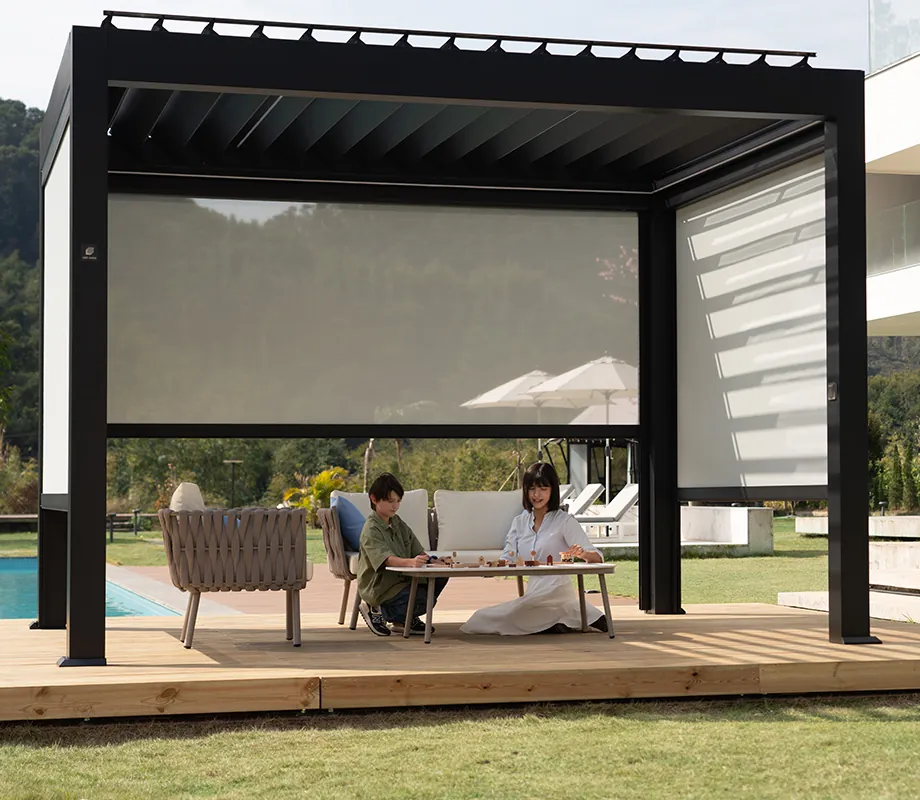
I have observed field teams use this framework to standardize service across sites. Please align checks to recognized standards such as ASCE 7 for wind loads and local code where relevant. For example, coastal installations in Florida commonly follow updated building code wind provisions after major storm events; such regional rules directly affect mounting and anchoring practice for wind resistant pergola. Use those references when specifying brackets, anchors, and uplift resistance to ensure compliance and longevity.
Final Synthesis
Apply the five-module framework with disciplined records, numeric thresholds, and scheduled specialist service. This method lowers surprises, reduces total cost over service life, and yields predictable replacement timing. For consistent implementation and practical specification guidance, consider documentation and supply partners familiar with pergola-integrated PV systems such as Light Hunter.