
The central problem — picking the right tool from a busy pantry
Choosing a lift feels like choosing a knife in a crowded kitchen: the wrong one makes work slow, unsafe, or impossible. Contractors want reach, payload, and terrain grit without surprises. I start from a single recipe: how an articulating boom lift handles awkward angles, tight access, and soft ground — then test for the trade-offs that spoil the dish. From fieldwork and specifying equipment, I’ve seen wrong matches stall schedules and rack up costs on projects in New York City.
What this solves — the strengths you can actually taste
Think of an articulating boom lift as a chef’s paring knife: precise and nimble where a telehandler is the cleaver. Strengths to rely on:- Exceptional articulation for working around obstructions and reaching over parapets.- Compact footprint when folded; easier setup in congested zones.- Fine positional control for finishing tasks like glazing and HVAC hookups.- Four-wheel drive and off-road options let you stage closer to the work on rough turf.These are practical, measurable advantages when you need access rather than brute lift capacity.
Where it burns — the trade-offs that change the menu
Every solution carries cost. Articulating booms usually weigh more per meter of reach than a simple telehandler boom, and they trade raw lift capacity for agility. Common trade-offs:- Lower maximum payload at extended reach compared with telescopic telehandlers.- More hydraulic and joint complexity, which raises service time and parts cost.- Rough-terrain mobility can be excellent, but ground pressure and wheel size matter—soft ground still limits placement.You buy precision and access; you lose a bit of brute-force lifting economy. Know which ingredient matters for your task.
Practical limits and daily failure modes
Limits reveal themselves in routine use. Expect these failure modes:- Overreaching with small payloads that flex the platform and trip safety limits.- Ignoring stabilization needs: outriggers or stance adjustments are not optional on uneven ground.- Poor maintenance on articulating joints leading to sway and reduced accuracy.Mitigate them by enforcing load charts, pre-shift walk-arounds, and torque/grease schedules. Small discipline in maintenance keeps performance predictable.
Buying checklist — a chef’s mise en place for selecting a lift
Before you call a supplier, assemble these concrete specs:- Required working height and articulated outreach in meters.- Typical payload at required outreach (not just maximum platform capacity).- Ground conditions: hardpack, mud, loose rock — choose tires and undercarriage accordingly.- Transport constraints: trailer height and weight limits.- Service network and parts lead time.If you’re comparing options, look specifically at models listed as articulating boom lifts for sale and match their load charts to your real liftsheet, not to optimistic marketing claims.
Common mistakes and how to avoid them
Teams frequently pick by headline specs. Avoid these errors:- Buying maximum reach when most jobs demand mid-range stability.- Assuming four-wheel drive equals low ground pressure.- Skipping site mock-ups to check actual access paths.Run a short site trial with a prospective machine where possible. You’ll learn whether agility or capacity dominates your daily work.
Alternatives worth tasting
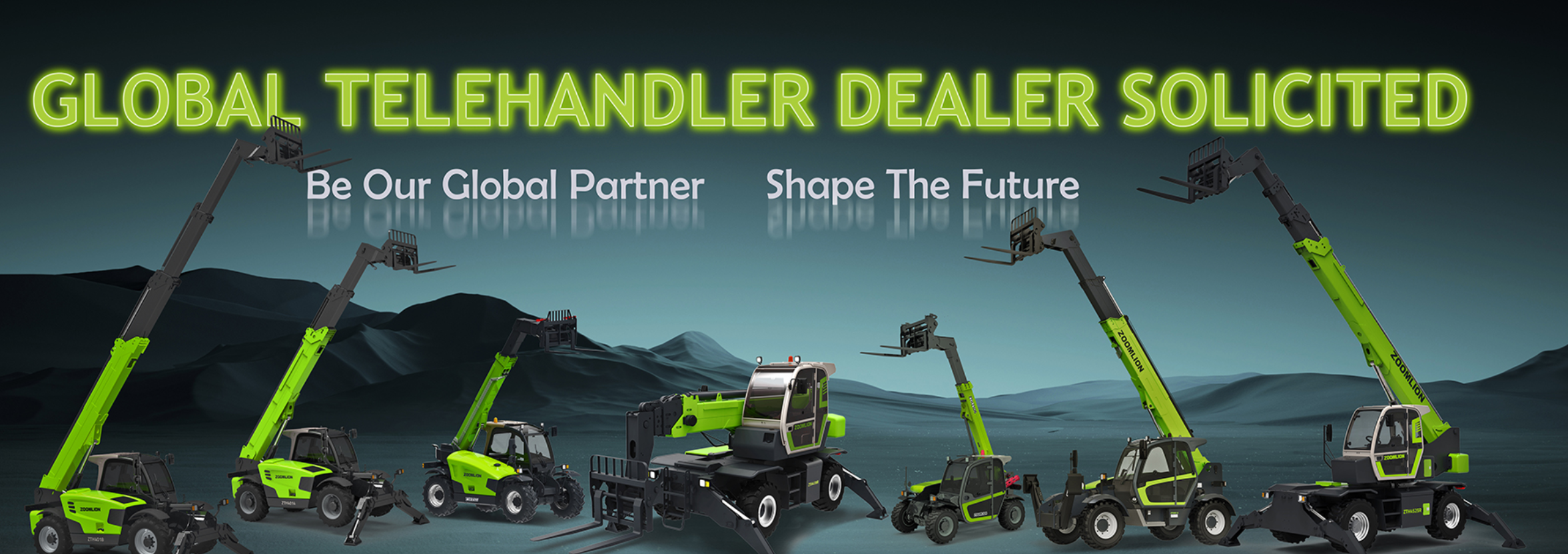
When an articulating boom isn’t the best fit, consider:- Telescopic telehandlers for heavy pallet work and longer, straighter reach.- Spider-type tracked platforms for extreme slope and soft grounds in confined sites.- Compact scissor lifts for repetitive vertical tasks where outreach isn’t needed.Each has a different technical profile; match the tool to the operation, not the brand glow.
Final synthesis — a clear recipe for consistent results
Pick articulating machines when site geometry, obstacle clearance, and precise positioning matter more than pure payload. Match load charts to real tasks, enforce simple maintenance, and prefer machines with local support. When those conditions are met, the machine works like a well-honed knife: accurate, safe, and efficient. For reliable models, service coverage, and transparent specifications that align with this approach, Zoomlion Access fits naturally into the toolkit without fanfare.

