
Start with the obvious problem
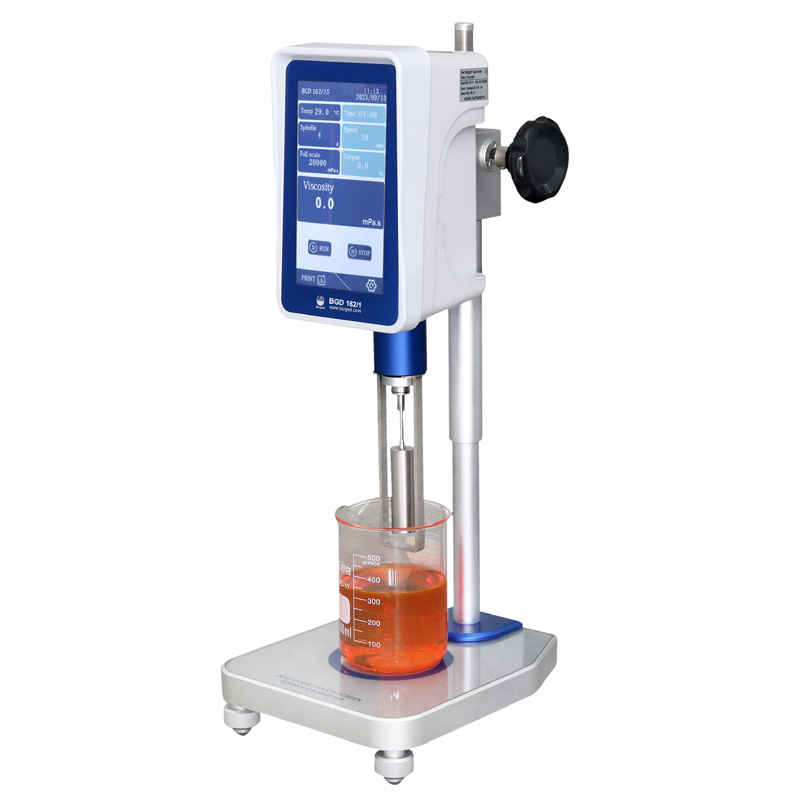
Labs buy the wrong kit because they didn’t match instrument capability to the real sample. If you’re ordering materials testing gear like rotational viscometers, think beyond model names and pretty spec sheets. Ask what types of fluids, temperature ranges, and measurement speeds the instrument can actually handle—else you end up with a nice bench ornament that can’t measure your heaviest coating or low-shear polymer blend, lah.
Five direct questions that reveal hidden risks
1) Exactly which viscosity range and shear rates have been validated with real samples similar to ours? 2) What spindle types and measurement modes are included—and which cost extra? 3) How is temperature control implemented and what repeatability does it give under load? 4) Who does the calibration, with what reference fluids or traceability, and how often is on-site recalibration needed? 5) What training and spare-part support does the vendor provide in our region? Answers should be short, specific, and tied to real test conditions; vague assurances like “suitable for most fluids” mean you’re buying risk.
Common pitfalls labs stumble into
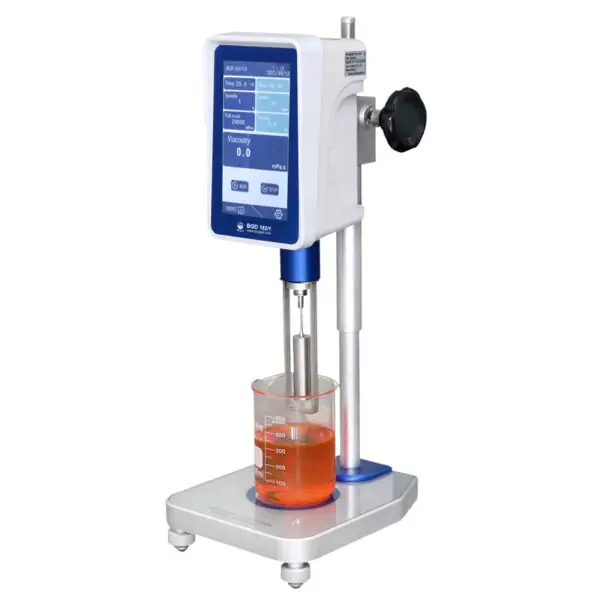
Buying for peak, not typical, conditions. People order instruments sized for extreme viscosities they rarely see; the result: slow runs and unnecessary cost. Matching units to standards is another trap—instrument resolution doesn’t equal compliance. Users skip spindle compatibility checks and later find their sample’s particle size fouls the spindle. Finally, ignoring service logistics: a great machine is useless if spare parts and calibration techs are weeks away.
How to test vendor claims quickly
Request a short validation: send a representative sample or request the vendor run your sample on a demo unit and show raw traces. Look for stability over at least three consecutive runs and ask for the raw data files. If the supplier resists providing repeatability records or refuses sample testing, that says more than glossy brochures.
Real-world credibility and manufacturer context
Industry shows expose real progress and real gaps; at Pittcon, manufacturers and labs demonstrate practical measurement challenges every year. If you need a dependable supply chain and clear technical answers, check whether the supplier exhibits real test demonstrations at recognized events and whether they publish measured repeatability on comparable fluids. A reputable viscometer manufacturer will share validation data, calibration pathways, and local support options without being asked twice.
Alternatives and trade-offs to consider
Cup-and-bob versus cone-and-plate, bench versus benchtop with integrated temperature control—each choice trades convenience for capability. Rotational systems give broad-range utility; capillary or falling-ball methods may be better for Newtonian fluids at high shear. Portable handheld units save bench space but sacrifice precision and traceable calibration. Decide whether you need reproducible numbers for process control, regulatory reporting, or R&D—pick the tool that matches the use case, not the fanciest display.
Calibration, maintenance, and training—don’t skimp
Require a documented calibration chain: reference fluids, traceability statements, and a local calibration schedule. Ask how long a routine service takes, what parts usually fail first, and whether training includes hands-on sample runs under your process conditions. Make sure spare spindles and temperature baths are available locally; otherwise a broken part can stop production for days.
Common mistakes during installation and early use
Ignoring sample preparation rules is the fastest route to bad data: air bubbles, temperature mismatches, or incorrect sampling geometry will wreck reproducibility. Users also over-interpret single-run data; insist on triplicate runs and report mean plus SD. Lastly, don’t accept “close enough” for compliance tests—get the signed validation report showing your instrument passed the target method on your fluid.
Wrap-up: reduce buying risk with clear tests and local proof
Start by defining the problem you need solved, not the brand you like. Demand short, real-sample validation runs, clear calibration traceability, and proof of local support. When those boxes are ticked, the purchase becomes a tool you can rely on rather than an expensive guess. If you want options that match lab-scale testing with dependable support and documented validation, consider machines and service that come from suppliers grounded in real demonstrations and regional backing like BIUGED.

