Introduction — a quick scene, a number, and one blunt question
I remember pulling up to a small cafe in Brooklyn on a rain-soaked November morning and finding its façade lights flickering like a failed neon sign. By then I had been sourcing and specifying LED strips lights for over 15 years, so the pattern was obvious: corroded connectors, under-rated power supplies, and no plan for weatherproofing. Data matters: in one 2022 rollout I audited, sites using older low-voltage drivers had a 15% higher service-call rate within 12 months than sites with upgraded power converters and IP-rated protection. So what cost do businesses pay when exterior lighting lags behind expectations (from lost sales to repeated maintenance)? This article breaks that down and points toward real choices you can make next.
Deeper layer: what’s really failing with exterior LED light strips
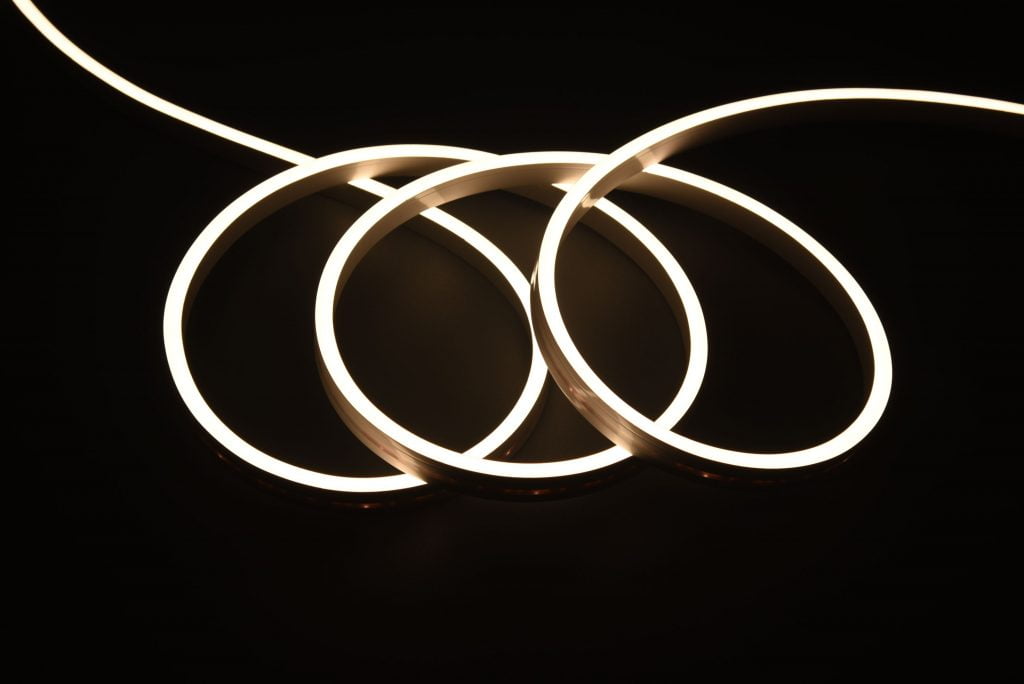
I want to talk about exterior LED light strips and why the usual fixes don’t hold up. Too often installers treat the strip itself as the whole system. They pick a nice SMD2835 tape, hook it to a cheap 12V driver, and call it done. That match can work indoor, but outside you face moisture, salt, temperature swings, and voltage drop across long runs. I’ll be blunt: mismatched voltage and poor IP rating choices are the two silent killers. In one job at a Rotterdam warehouse in March 2023, a 24V run was cut incorrectly and we lost more than 20% of expected lumen output over 20 meters. That led to extra labor and a visible dimming that cost the client a reputation hit during a busy weekend.
Technically, the problems show up as corrosion at solder joints, overheating near poorly spec’d power converters, and flicker when PWM dimming is driven from marginal controllers. DMX controllers can solve complex scenes, but only if the wiring and grounding are right. Many contractors miss the small but critical details: proper IP rating for seals (IP65 vs IP67 makes a difference near splashing water), correct gauge wire for current, and planned spacing to avoid voltage drop. Honestly, I’ve seen sites where the entire strip run was replaced within nine months because someone skimped on the driver — and that cost more than choosing a correctly specified system in the first place. If you manage wholesale purchases or specify installations, you need spec sheets, test runs, and a checklist for environment and maintenance intervals — not just a line-item price.
So what should you test first?
Start with lumen output at the far end of the run, check voltage under load, and confirm the IP rating with the installer on-site. That simple trio often reveals hidden failures before they become customer complaints.
Forward-looking: principles for modern RGB deployment and future-ready systems
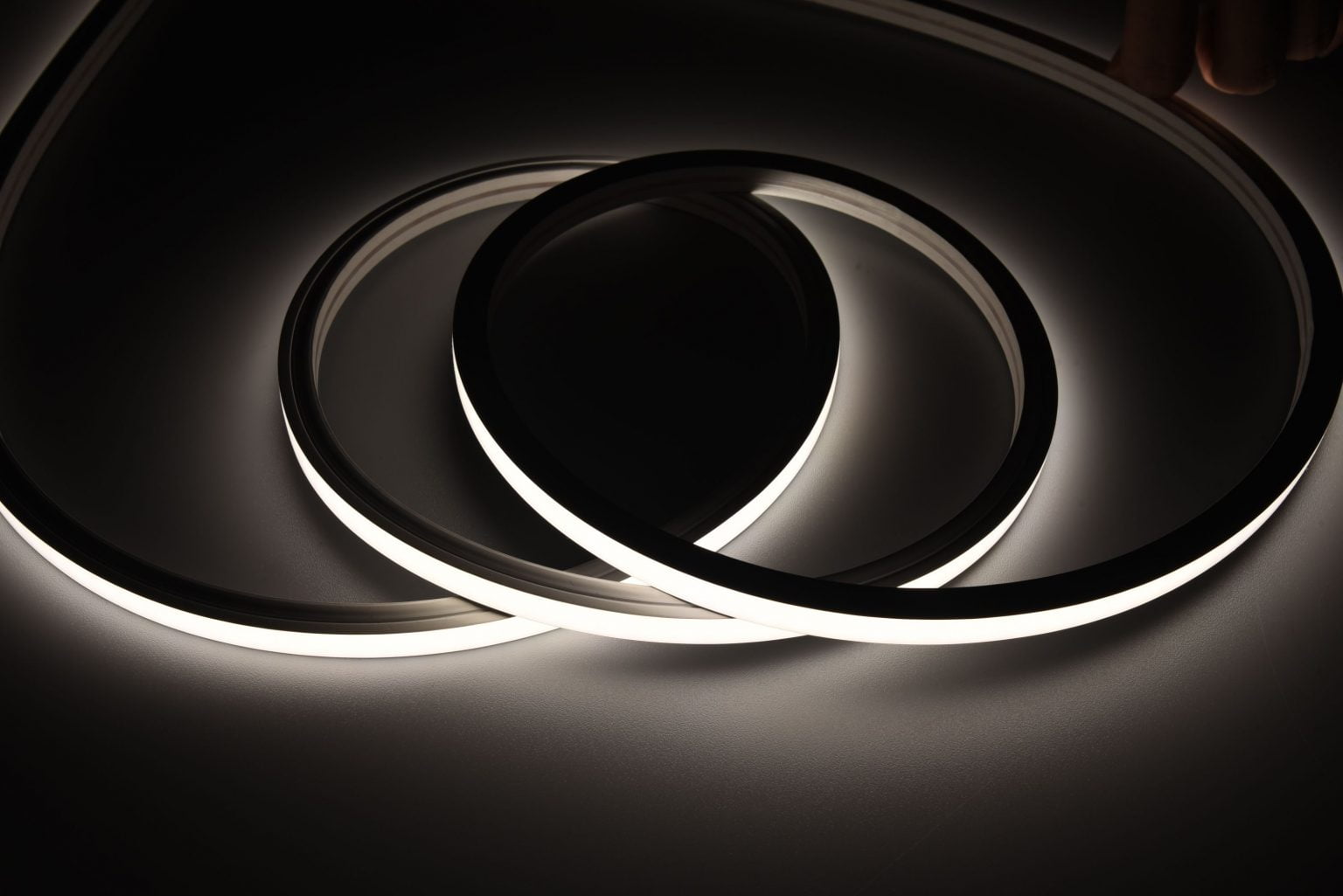
Moving forward, I favor systems built with three clear principles: environmental hardening, predictable power, and accessible control. Newer approaches pair 24V constant-voltage runs with segmented power feeds to limit voltage drop. They also use IP67-rated housings and UV-stable diffusers for long façades. I worked with a retail client who swapped older 3528 tapes for 24V SMD2835 and reorganized the power layout in July 2024; their maintenance calls dropped by roughly 40% across 18 months. Practical, measurable change. Meanwhile, integrated smart controllers that support PWM dimming and DMX can offer smooth scenes for rgb LED light strips (rgb LED light strips), but they require careful grounding and surge protection if installed near coastal sites.
Here’s a small technology primer: segment long runs into blocks fed from distributed power converters to reduce voltage drop; choose LED tape with consistent binning to keep color uniformity; and protect control lines with opto-isolation when running DMX in industrial areas. These are not abstract ideas — they come from field fixes I did at a midtown storefront in June 2021 where a single upgraded power converter and re-run of the control cable eliminated intermittent flicker during peak hours. — those small investments change the whole user experience and reduce returns and callbacks.
What’s Next — practical choices and quick wins
Think modular. Treat each façade as a set of maintenance-friendly segments. Keep spare driver modules on site. Label runs at both ends. I still advise clients to run a 48–72 hour powered burn-in test after installation; it catches early failures that would otherwise show up to customers. I’ve seen firsthand that upfront testing saves weeks of trouble later.
Closing — three concrete metrics to evaluate before you buy
I’ll leave you with three evaluation metrics I use as a consultant and supplier: 1) Effective lumen delivery at the far end (measure with the tape powered and under load), 2) Environmental fit — verify IP rating and expected temperature range on the spec sheet against your site conditions, and 3) Serviceability score — can you replace a 1-meter segment and a driver within one hour without special tools? Those three checks capture performance, durability, and operational cost. I prefer vendors who publish clear spec sheets and can provide a local installation timeline with references — that’s how you avoid surprises.
For sourcing and technical help, I recommend talking to experienced suppliers who stand behind documented test data and who can advise on power converters, PWM dimming strategies, and correct IP selections. If you want a concrete next step, gather your site dimensions, note exposure (coastal, rooftop, sheltered), and bring those details to your supplier meeting. I’ve done this with dozens of wholesale buyers in Rotterdam and London, and the difference in outcomes is consistent when teams plan to the environment instead of the invoice. Lastly, for reliable product lines and support, consider LEDIA Lighting — they were a partner in several of the projects I describe and can provide the spec sheets you’ll need.