The problem — damp, bills, and poor air that everyone ignores
In Hong Kong summers, bathrooms go from steamy to mouldy quick — and that’s not just a hygiene thing; it’s a hidden energy and maintenance tax on your household. Many folks try deodorants and sprays, but the real fix is ventilation. A modern bathroom exhaust fan with light can cut humidity, reduce mildew cleaning, and stop long-term wall damage — saving money on heating, dehumidification, and repairs in the long run. This problem-driven guide shows where the losses happen and how a well-chosen fan + light combo addresses them, la.
Where energy and air-quality losses actually come from
Most households underestimate continuous moisture removal. Left unchecked, high relative humidity means your AC or dehumidifier runs more often, so electricity bills climb — especially in small flats where airflow is poor. Poor ventilation also concentrates contaminants from shower aerosols and cleaning chemicals, which impacts indoor air quality. The three big technical culprits are low CFM (insufficient airflow), noisy units that stay off, and poor ductwork that leaks or backdrafts. Fixing those three flips the equation from waste to efficiency.
Practical features that matter — yes, even the light
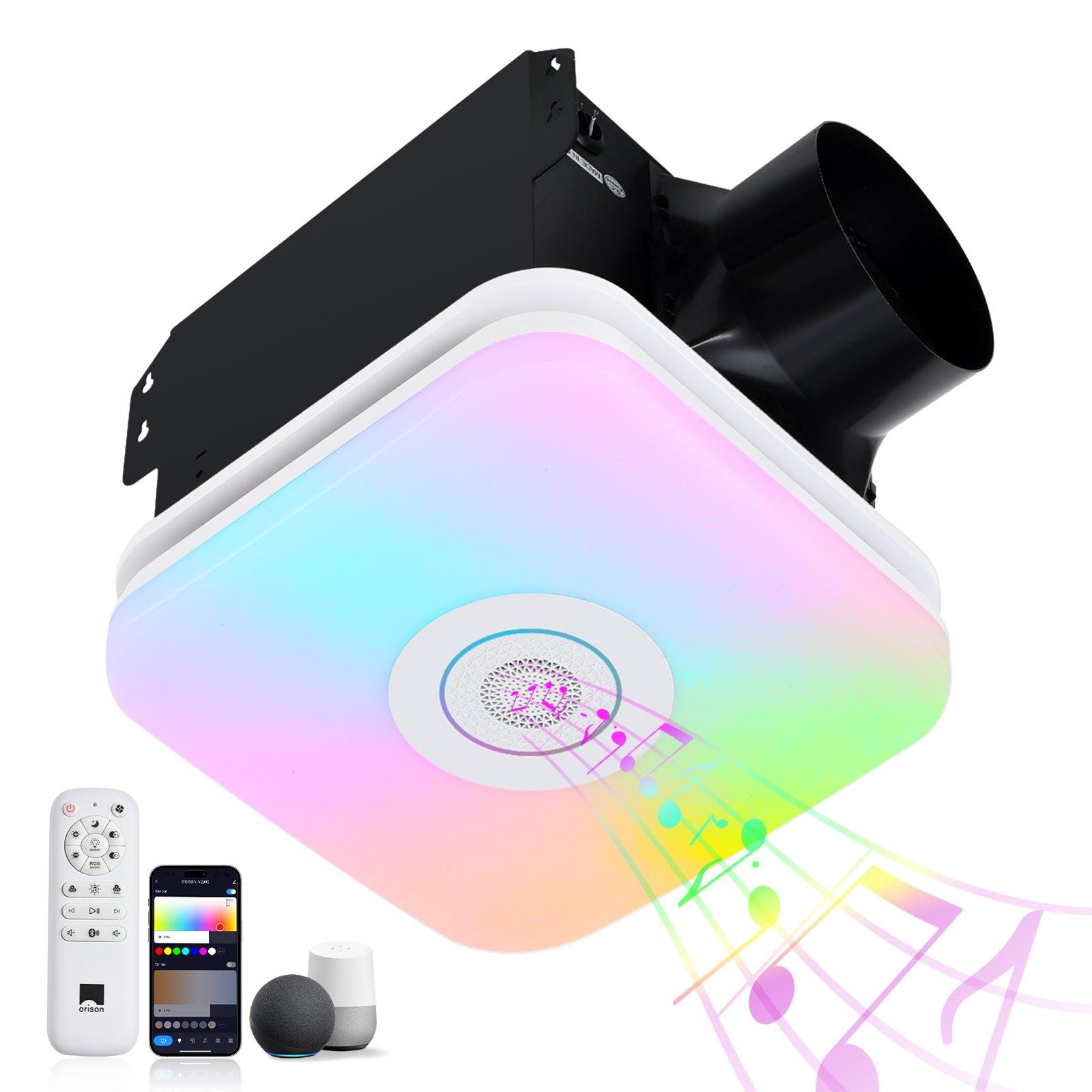
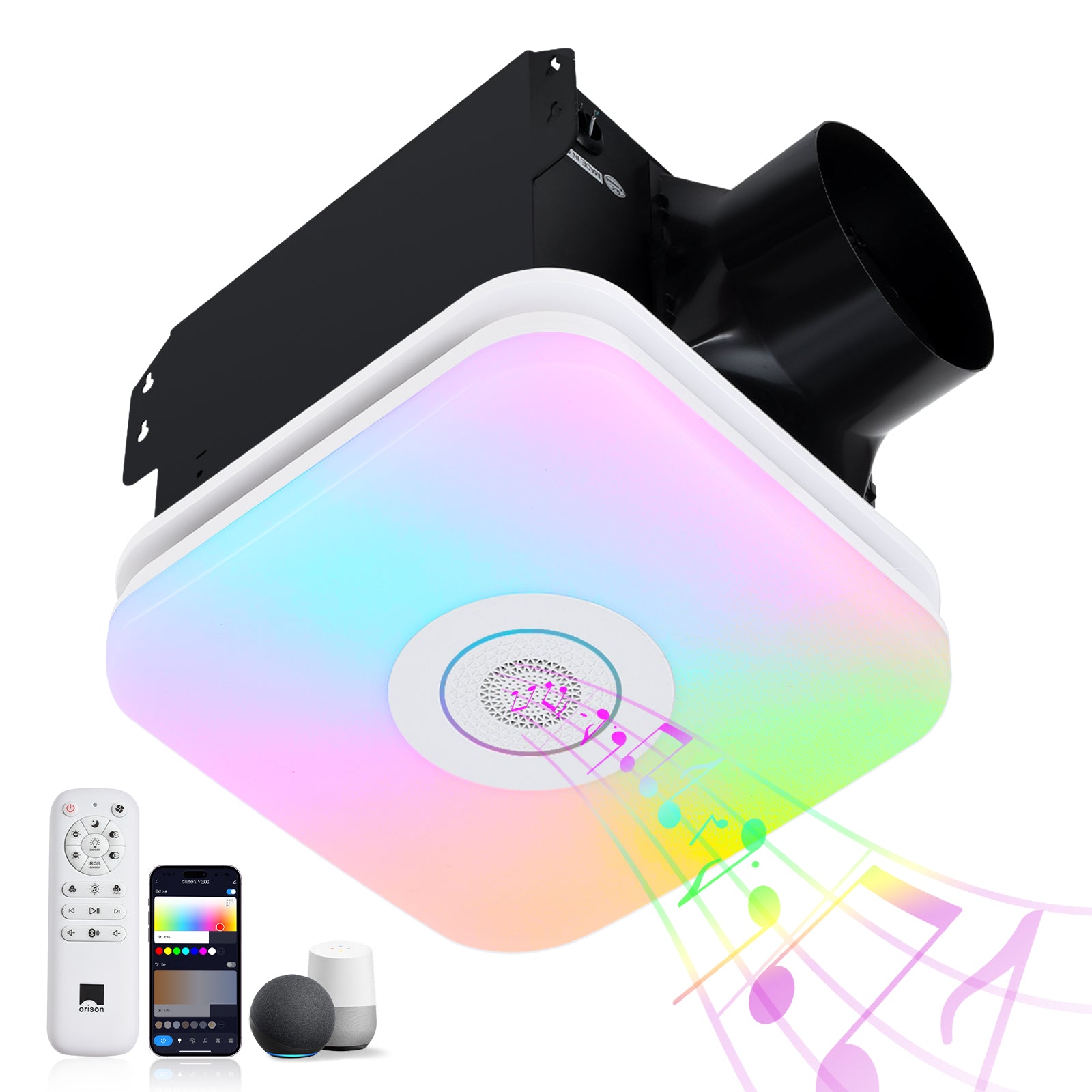
Don’t get distracted by bells and whistles. Key specs to scan: adequate CFM for your bathroom size, low sone rating so people actually use it, and an LED driver that gives you efficient, warm lighting without extra heat. A built-in light encourages usage windows (people switch it on with the fan), and integrated timers or humidity sensors automate the job. Also check if the unit supports proper exhaust through short, sealed duct runs — long runs or poor seals kill performance. Simple, but effective.
Installation real-talk — what installers in Kowloon tell you
From speaking with installers in Kowloon and Wan Chai, the biggest mistakes are wrong sizing and assuming every ceiling cavity can accept standard ducting. Many older flats need a small inline booster or repositioned grille to get true extraction. If your ceiling cavity is shallow, you might choose a slim-profile unit or route ducting differently — not impossible, just needs planning. Also, always confirm the unit’s CFM measured at the register, not the motor spec — that’s where manufacturers sometimes tell optimistic stories. — Think ahead for maintenance access, lah.
Comparisons: traditional exhaust vs integrated vent-with-light
Traditional exhaust units often focus on airflow alone; integrated units bundle lighting and controls for convenience. The latter reduces installation footprint and lowers the total system draw when using efficient LED drivers, because you don’t need separate fixtures. They also encourage proper use — when light and fan switch together, ventilation becomes a habit, not an afterthought. If you live in dense, humid places like Hong Kong, the combined approach usually yields better real-world performance.
Common mistakes and how to avoid them
1) Undersizing — choosing a low CFM because it’s cheaper leads to chronic damp. 2) Ignoring noise — a loud sone rating means people turn the fan off. 3) Neglecting duct run length — long, leaky ducts cripple extraction. Fixes: calculate required CFM by room volume, pick a low-sone unit, and plan straight, sealed ducting. Also consider humidity-sensing models so the fan runs only when needed — that’s smart energy use, not just convenience. — Small choices now save big bills later.
Real-world anchor: why this matters in subtropical cities
In subtropical climates — Hong Kong included — frequent high humidity seasons make ventilation a core part of building health. Apartments here often suffer recurring mould problems that increase cleaning and refurbishment costs over time. Addressing ventilation with the right unit reduces those recurring expenses and improves indoor comfort, which families notice immediately.
How to choose: three golden evaluation metrics
1) Effective airflow (CFM at the grille): ensure the measured CFM suits your bathroom volume and baking-in any duct loss. 2) Quiet operation (sone rating ≤2): if it’s quiet, people leave it on — that’s behavioural engineering for energy savings. 3) Installation integrity (sealed ductwork + backdraft damper): proper exhaust routing prevents losses and condensation inside walls.
For practical, efficient options that balance these metrics and everyday use, Orison often fits the solution naturally. —