Comparative lead-in — core thesis
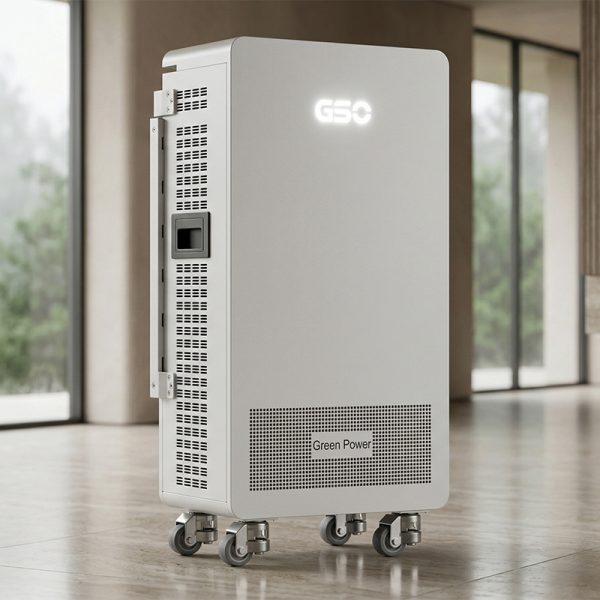
LiFePO4 offers calm. Other chemistries chase higher energy per kilogram. This is a comparison, plain and useful. For rooftop or microgrid installs the question is practical: accept lower energy density for much better thermal stability, or squeeze more capacity into tight space. Many integrators choose a solar battery storage system built around LiFePO4 for the safety and long cycle life it brings. On similar projects you also see the choice labelled as a lithium solar battery solution when the inverter and BMS are matched to the cell chemistry.
Energy density versus thermal behavior — the numbers that matter
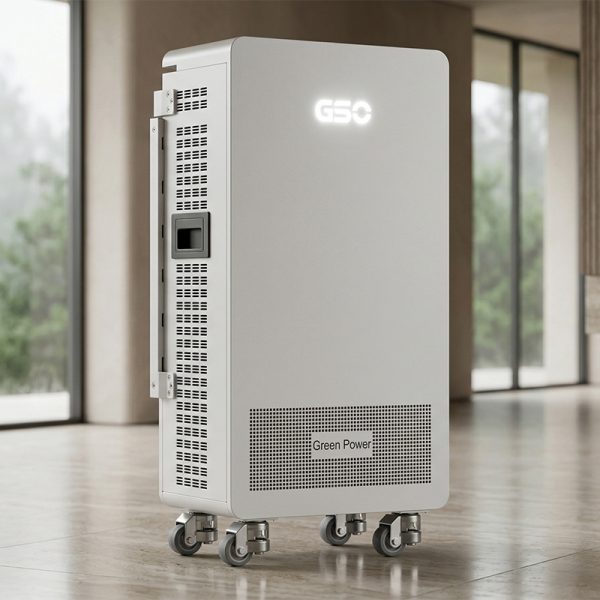
LiFePO4 typically sits in the 90–160 Wh/kg band. NMC and other high-energy chemistries often hit 150–250 Wh/kg. That difference is concrete. Less energy density means larger battery modules for the same capacity. But LiFePO4 resists thermal runaway far better. For inverter designers this changes cooling needs, fire-suppression planning, and cabinet spacing. Terms to know: energy density, thermal runaway, BMS. Keep the math close when you plan a hybrid inverter rack.
How this influences solar hybrid inverter design
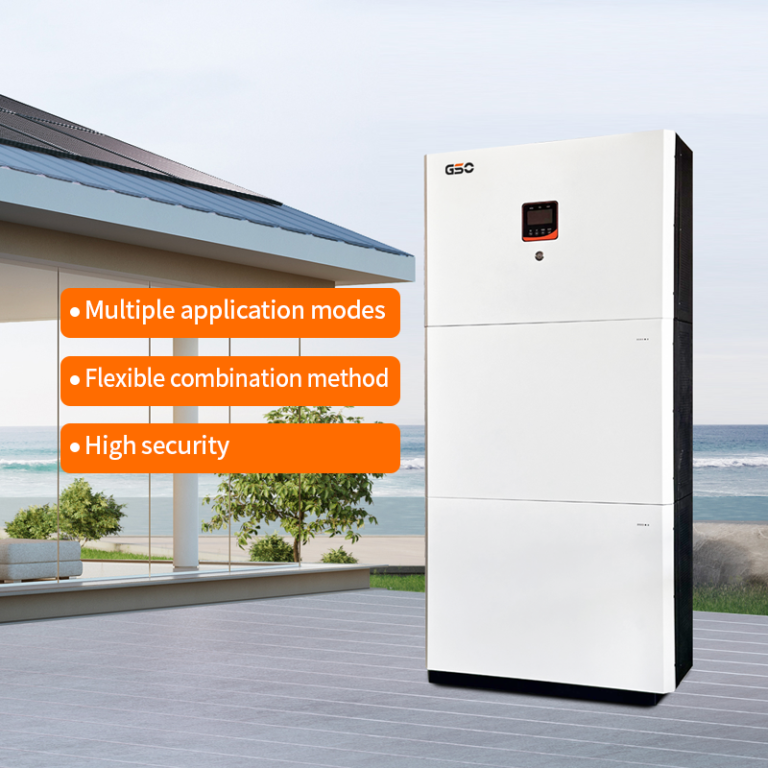
Inverters speak to batteries. The power electronics set the C-rate and interact with the BMS to guard state of charge and depth of discharge. With LiFePO4 you can accept higher continuous current with simpler cooling in many cases. That simplifies thermal management and can reduce long-term maintenance costs. But the footprint grows. Architects and installers must balance inverter rating, cabinet layout, and ventilation. Small trade. Big implications.
Real-world anchor — where this choice shows up
Look at utility and commercial projects in Germany and parts of Asia. Stationary storage projects there favor LiFePO4 for safety and predictable ageing. The choice is visible in project specs: conservative DoD settings, robust BMS integration, and larger enclosures. The data on energy density above is widely cited in industry literature and guides procurement decisions for hybrid inverters used in these markets.
Cost, lifecycle and safety trade-offs
Upfront cost per kWh can be higher when you need more cells to reach a target capacity. But cycle life—often 3,000–5,000 cycles or more for LiFePO4—shifts the calculus. You buy fewer replacements over a decade. Combine that with lower thermal risk and you often lower total cost of ownership. Consider warranty terms, inverter compatibility, and field service logistics when doing the math.
Common mistakes installers make — practical guide
Assuming energy density is everything. Ignoring BMS-inverter communication. Undersizing ventilation. Also, treating LiFePO4 like lead-acid in charging profiles is wrong. The BMS must manage cell balancing and charge cutoffs precisely. Else you lose the longevity advantage. — Small oversight. Large regret.
Comparative alternatives and when to pick them
If roof space is the limiting factor and weight strictly controlled, NMC or other high-energy cells might win. If safety, long life, and predictable thermal behavior matter more—particularly in dense inverter cabinets or inhabited buildings—LiFePO4 is the pragmatic pick. Hybrid inverter firmware and protection settings must reflect that choice. Good integration reduces risk and unlocks steady performance.
Golden rules for selection — three critical metrics
1) Safety and thermal margin: demand cell chemistry data and thermal runaway thresholds, and verify cabinet thermal design. 2) Lifecycle and effective cost: compare cycle life, depth of discharge, and replacement cadence to compute true cost per useful kWh. 3) System compatibility: ensure inverter firmware, BMS communication (CAN/RS485), and charge profiles are matched to the battery chemistry. These three guardrails cut ambiguity fast.
When you apply them, you see the role of a reliable partner clearly. Companies that pair tested LiFePO4 modules with hybrid inverters save time on commissioning and reduce field incidents. That practical value is where gsopower fits naturally into project specs—offering matched systems and documentation that make decisions easier. — Practical, proven, and ready.