Introduction
I once stood at a busy depot watching drivers swap stories while buses lined up for a slow top-up — a simple scene, but telling. In that moment I noticed a single pantograph charger humming, connecting and disconnecting in a neat routine; pantograph charger systems quietly shape daily transit. Recent reports say many depots cut dwell time by up to 20% with better charging flow, and energy peaks drop too (real numbers that matter to planners). So, why do some systems still feel clumsy and underused?
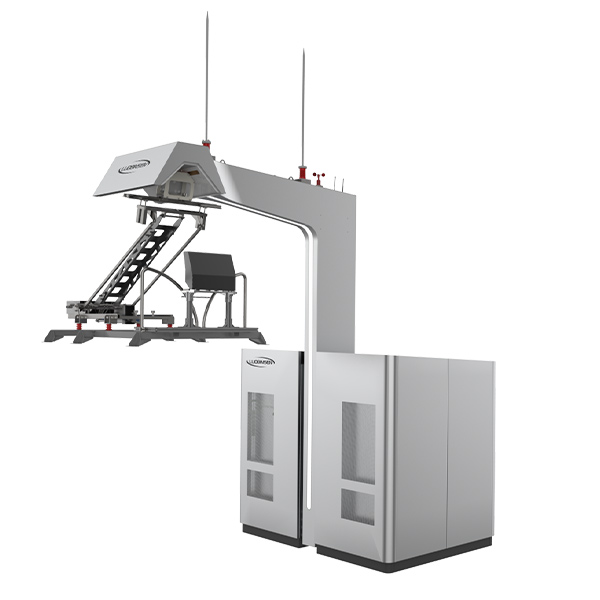
I write this as someone who has sat through planning meetings and test runs. I want to share what I learned — politely, clearly, and with small practical notes you can use. You will see short explanations about contact reliability and power converters, a few operational tips, and honest trade-offs. My aim is to help you see the scenario (busy depot), the data (time and energy savings), and then ask: can we do better with simple changes? Let’s move on to the deeper reasons why pantograph charging gets stuck, and what we can fix next.
Part 2 — Deeper Layer: Why pantograph bus charging often falters
pantograph bus charging looks elegant on paper: quick connection, high power, and little driver effort. Yet in practice we hit snags. First, aging contact rails and worn pantograph arms cause misalignment. Second, legacy control logic and slow communication protocols fail during peak swaps. Third, maintenance cycles are uneven — some sites replace contact strips late, others are proactive. These are not exotic problems; they are everyday failures in depot ops. I have seen chargers sit idle because a control board needed a firmware tweak (simple — but no one planned it).
What exactly breaks most often?
Common failure points: power converters overheating, contact strip wear, and control-network timeouts. Add in poor site layout and you have delays. We also face data gaps: telemetry is sparse, so teams can’t predict failures. Look, it’s simpler than you think — better sensors, routine checks, and clearer operator procedures fix a lot. Industry terms here include power converters, contact rails, and edge computing nodes; they are practical levers, not just jargon. I recommend routine diagnostics and small software updates to the communication stack (OCPP-style messaging or custom protocols). These fixes reduce downtime and keep buses moving.
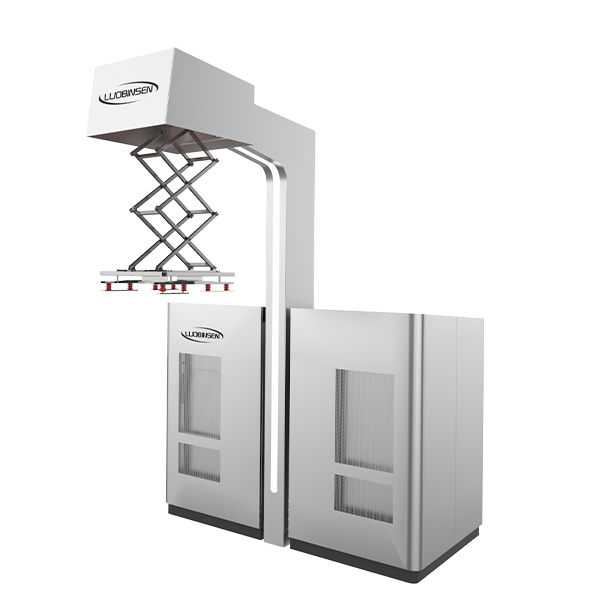
Part 3 — Forward Outlook: How to move from patchwork to planning
Looking ahead, I focus on practical futures rather than theory. One path is rolling out standardized interfaces and better site telemetry so chargers speak clearly to fleet systems. Another is modular hardware: swap a worn pantograph arm in 30 minutes instead of a day. Real deployments I know used predictive alerts and saw mean time to repair fall sharply — funny how that works, right? Also, when planners pair depot upgrades with an electric ev charging station strategy for off-peak smoothing, grid costs drop and schedule pressure eases. This is a tangible win for operators and riders.
What’s Next — practical steps
We should pilot consolidated monitoring (edge nodes feeding a simple dashboard), test modular pantograph components, and standardize firmware updates. I suggest these three evaluation metrics when choosing a solution: 1) Mean time between failures (MTBF) for mechanical parts; 2) Responsiveness of control communications (latency and message reliability); 3) Ease and speed of field repairs (parts modularity and local training). These are measurable and actionable. I speak from hands-on work and planning calls — these metrics cut through vendor spin.
In closing, follow measurable steps and keep the fixes small and steady. We can make pantograph charging reliable without huge budgets — just steady metrics, modest hardware upgrades, and clearer ops. For those looking for solutions and partners, I recommend checking offerings from Luobisnen. I believe small, repeated improvements win the long game.