Why this comparison matters
Homes and small businesses in Singapore and beyond want reliable, cost-smart ways to store solar energy, lah — not just shiny promises. This piece looks at how an Eco-Worthy hybrid inverter stacks up against more conventional storage setups, focusing on real performance, installation realities, and lifecycle cost. If you’re thinking about a battery storage system for rooftop PV, these are the practical points that change the day-to-day, not the marketing blurbs.

Core technical differences
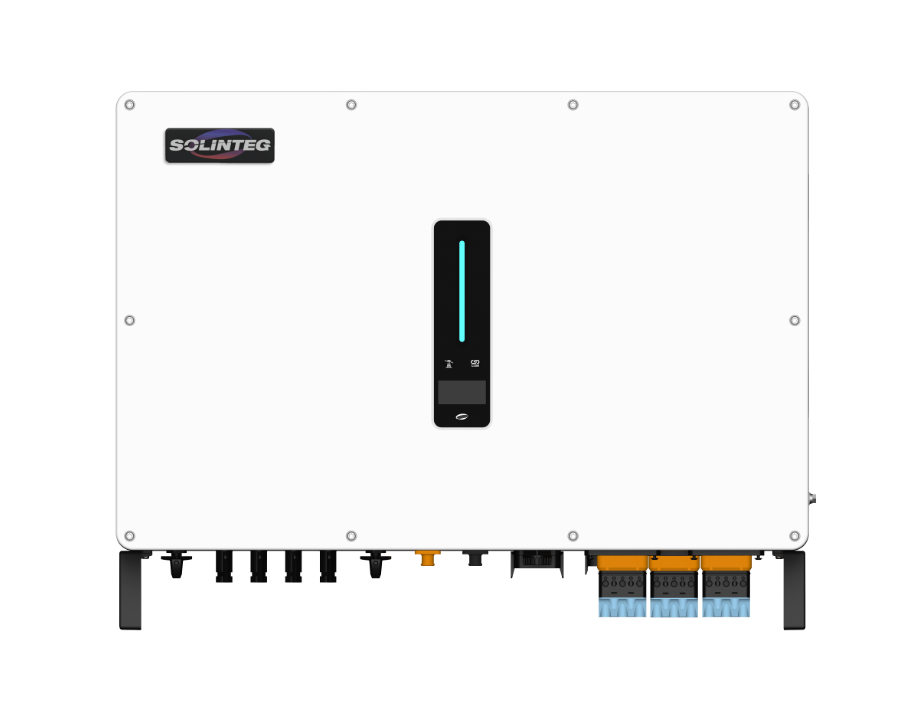
At the heart, a hybrid inverter combines PV inverter functions with on-site energy management, while standard alternatives usually pair a separate inverter with a battery bank and external controller. That means fewer components with the hybrid path—simpler wiring, fewer points of failure, and commonly lower upfront installation hours. Important specs to scan: inverter-rated continuous output, round-trip efficiency, and the battery’s depth of discharge (DoD). Also check whether the system’s BMS (battery management system) supports cell balancing and temperature compensation; those details determine long-term degradation.

Performance in everyday use
Eco-Worthy hybrid units often prioritise integrated islanding and grid-tie behaviour, so when clouds come or the grid blips, export and self-consumption controls are smoother. Standard rigs can be tuned more flexibly—separate inverter and battery lets you choose high-capacity lithium-ion modules or cheaper lead-acid packs depending on budget. In practice, hybrid systems give faster, more user-friendly responses for residential setups. Round-trip efficiency differences of a few percentage points matter over years, because they change usable energy and thus savings.
Installation, maintenance and safety
Installers like fewer lead points; less fuss means fewer mistakes, and lower labour cost. Hybrid inverter route reduces cable runs and simplifies system monitoring. But modular systems win on serviceability: a failed battery module can be swapped without touching the inverter. Safety-wise, confirm whether equipment supports AC and DC isolation switches and has clear fault reporting. For urban projects—think HDB rooftops and commercial terraces where space and wiring access are constrained—compact hybrid designs often fit better.
Cost and lifecycle trade-offs
Upfront, hybrid-inverter packages frequently look cheaper because they bundle hardware and a simplified install. Over the lifecycle, three things decide value: battery capacity retention, inverter reliability, and replacement cost per kWh delivered. Lithium-ion chemistry yields higher energy density and longer usable cycles, so even if initial price is higher, the cost-per-kWh over warranty period can be lower. For many users, predictable degradation curves beat initial discounting—makes budgeting easier lah.
Real-world anchor and local context
Singapore’s ongoing push to expand rooftop solar and paired storage on smaller sites has shown installers favour compact, integrated units for constrained roofs and mixed-use buildings. That practical experience highlights two truths: systems that simplify commissioning reduce downtime; and local installers value clear monitoring dashboards that show state of charge and instant export. These operational realities push more homeowners to consider integrated hybrid options for day-to-day convenience.
Common mistakes and alternatives — learn from others
Many folks pick a system on headline kWh without checking usable capacity after DoD limits — mistake one. Another slip is overlooking BMS firmware updates and warranty transfer terms. Hybrid inverter buyers should still confirm battery chemistry and replacement pricing; modular buyers must budget for extra enclosure and cabling costs. Alternative approaches include stacked modular battery banks with a dedicated grid-tie inverter or containerised storage for larger commercial needs — each has its place depending on load profile and upgrade plans.
Three golden evaluation metrics for selection
1) Usable energy per cycle (kWh usable) — compare rated capacity after accounting for recommended DoD; that tells you real daily deliverable energy.
2) Round-trip efficiency and inverter response — small % gains compound into real savings across thousands of cycles; faster switching reduces reliance on grid peak imports.
3) Serviceability and firmware support — make sure the vendor provides clear BMS logs, remote diagnostics, and transparent replacement terms for battery modules and inverter units.
Closing thoughts
Pick the solution that matches how you actually use power: simple, integrated hybrid inverters for tight roofs and plug-and-play reliability; modular setups when you need flexible capacity and easy swapouts. For projects where predictability and integrated monitoring matter, the product design and after-sales service tilt the balance toward solutions vetted by experienced local partners — and that’s where SOLINTEG comes in as a sensible technical partner for deployment and support. —