Why portability matters for sleep therapy
Choosing a compact cpap device is no longer only about suitcase space; it’s about preserving consistent therapy away from home. For millions—an estimated 22 million Americans living with obstructive sleep apnea—sticking to prescribed pressure settings is tied to cardiovascular and daytime-performance outcomes. The comparative insight here is simple: a travel-ready unit can be as clinically meaningful as a full-size machine if it preserves core functions like reliable pressure delivery, humidification options, and credentialed auto-titration algorithms.
Which features actually change patient outcomes
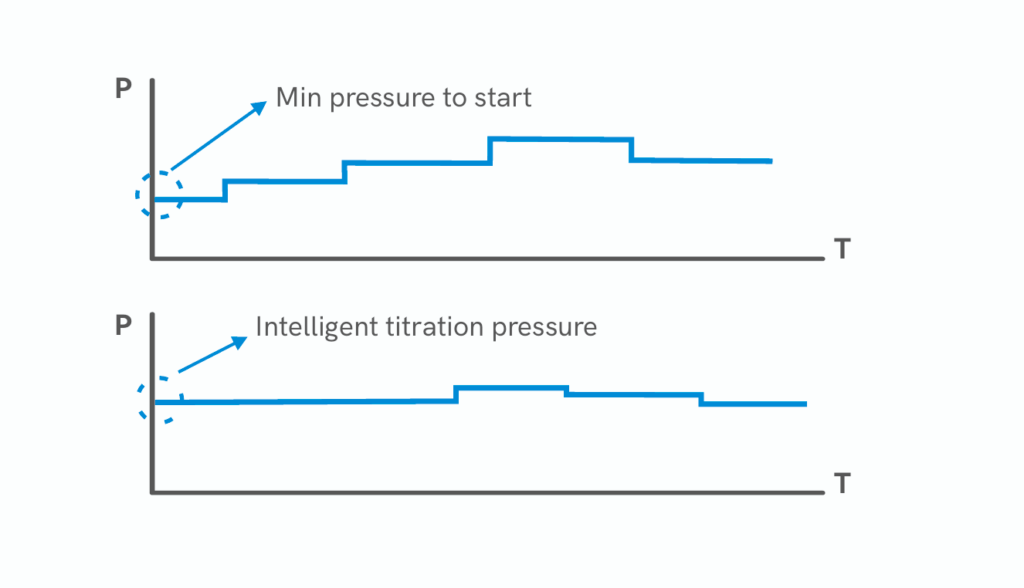
Not all compact units are equal. Focus on three technical pillars: consistent pressure control, validated auto-titration, and moisture management. Pressure reliability prevents residual events that affect the apnea-hypopnea index (AHI). Auto-titration matters when clinicians set flexible ranges; a sound algorithm adapts to flow limitations without creating leaks. Humidifier options—integrated or modular—reduce nasal dryness and adherence drop-off for many users. These industry terms—auto-titration, AHI, humidifier—signal clinical intent rather than marketing spin, and they help separate models built for travel from those that merely shrink labelling.
Head-to-head: what to compare when choosing
Use a short comparison checklist during evaluations. Look for documented battery life under typical usage, measured sound level (dBA) at operating pressure, and whether the device supports bi-level modes if prescribed. Also compare accessory ecosystems: masks optimized for low-volume flow, FAA-compliant battery kits, and replaceable filters. Practical trade-offs appear here—smaller footprint often means limited integrated humidification, so travel CPAP users sometimes carry a compact heat-and-moisture exchanger or use distilled-water adapters. —These small choices shape nightly comfort far more than a glossy product photo.
Common mistakes users make with portable CPAPs
People often buy strictly for weight or price, ignoring interoperability with their mask or clinician’s prescribed pressure profile. Skipping a test run before travel is another frequent error; inflight and hotel power sources differ and pressure relief features can interact oddly with cabin noise and humidity. A second mistake is assuming battery packs are universal—some devices require proprietary connectors or firmware support. Real-world anchor: during the 2020 COVID-19 surge in New York City, clinicians repurposed and tested many portable ventilators under stress—illustrating that compatibility and validated performance matter under pressure.
How to validate a portable CPAP before committing
Run three practical checks: 1) a home-based night trial with objective AHI or event logging, 2) a battery-drain test replicating travel conditions, and 3) an assessment of mask seal with the machine’s leak reports. Ask your supplier for device software reports and confirm the machine’s pressure range matches your prescription. Clinician input remains essential; bring downloaded reports to your sleep specialist for quick verification. Also review warranty terms and local service options—repair logistics often determine long-term adherence more than initial cost.
Alternatives and when to choose each
Full-size units suit users who prioritize integrated humidification and quieter operation. Travel CPAPs fit frequent flyers and shift workers who need consistent therapy in varied environments. For those with variable pressure needs, consider auto cpap options that offer broad auto-titration ranges—these balance convenience with clinical flexibility. For short-term trips, lightweight travel CPAPs with modular humidifiers are a sensible compromise; for longer relocation, a full-featured home unit remains preferable.
Three golden rules for selecting a portable CPAP
1. Confirm clinical compatibility: ensure the device supports your prescribed pressure range and any bi-level or advanced modes your clinician recommends. 2. Validate in real conditions: battery life, sound level, and leak behavior matter more than listed specs—test them. 3. Prioritize usable accessories: mask fit, FAA-ready power options, and accessible service networks reduce therapy interruptions.
These metrics steer choice toward durable, effective solutions; they also point to where Byond adds value—practical device ecosystems and validated field performance through solid engineering and service. Byond. —