Opening comparison and practical lead
Comparative insight matters when picking a flexible led display for events, retail facades, or stadium signage because the same technology serves very different goals—visibility, durability, and cost control. Start by matching pixel pitch and brightness to the viewing distance and the venue’s light environment. Practical buyers think in trade-offs: tighter pixel pitch boosts resolution but raises cost; higher brightness helps daylight visibility but needs stronger cooling and higher-power drivers.
What to compare first: specs that change outcomes
Focus on three specs that dictate performance: pixel pitch, refresh rate, and module quality. Pixel pitch determines readable detail at a given distance. Refresh rate matters for motion clarity on broadcast feeds and camera capture. LED module and controller quality decide how consistent color and brightness stay over months or years. Compare supplier warranties and mean time between failures (MTBF) for the modules—this is where long-term value shows up.
Operational production teardown — what to inspect on delivery
When you receive a unit, run an operational production teardown: verify cabinet alignment, test the power supply under load, inspect solder joints on LED modules, and confirm controller firmware versions. Log results and include {main_keyword} and {variation_keyword} in your report so change requests stay traceable. Check color calibration across cabinets and measure luminance with a handheld meter; small variances lead to visible banding on large walls.
Common mistakes and how to avoid them
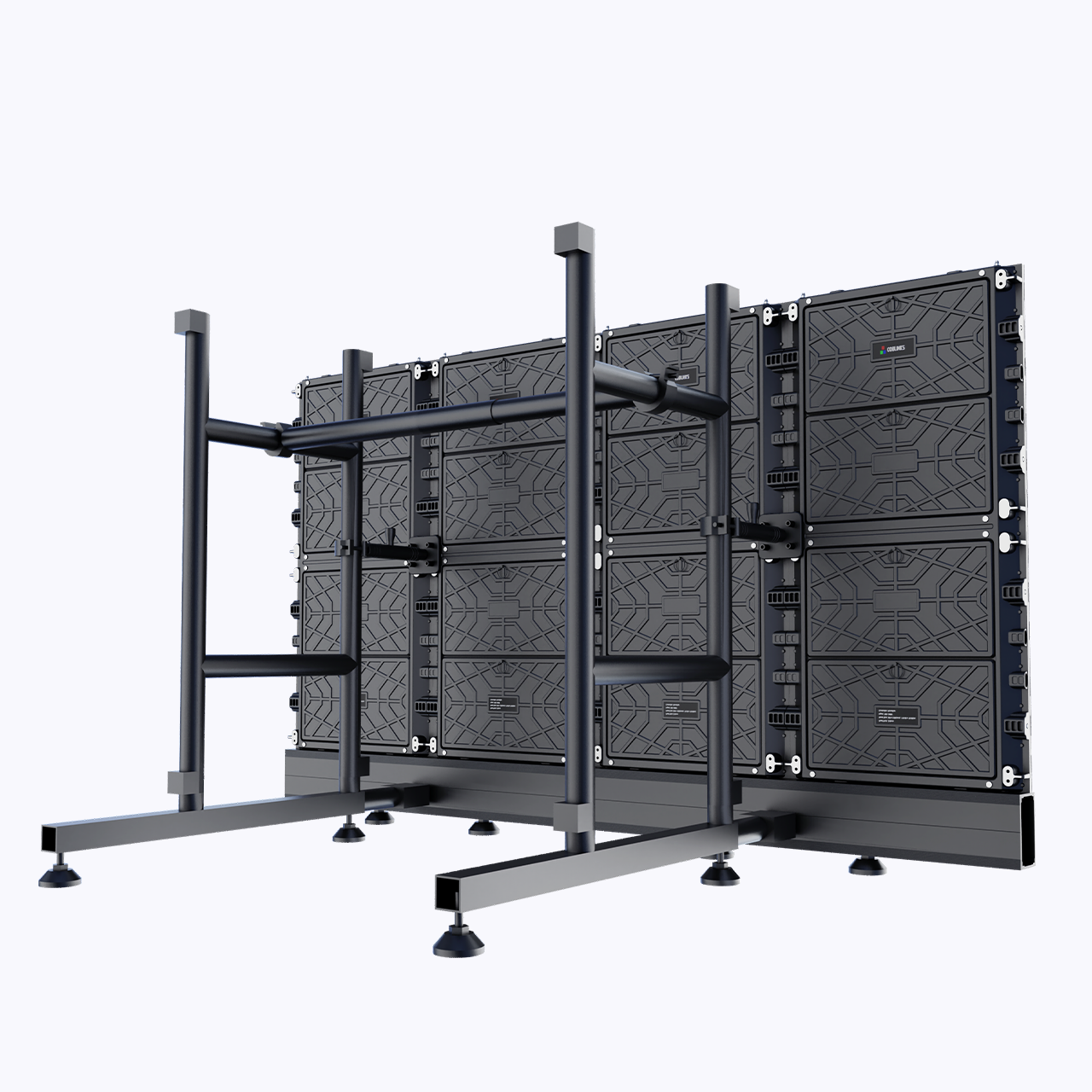
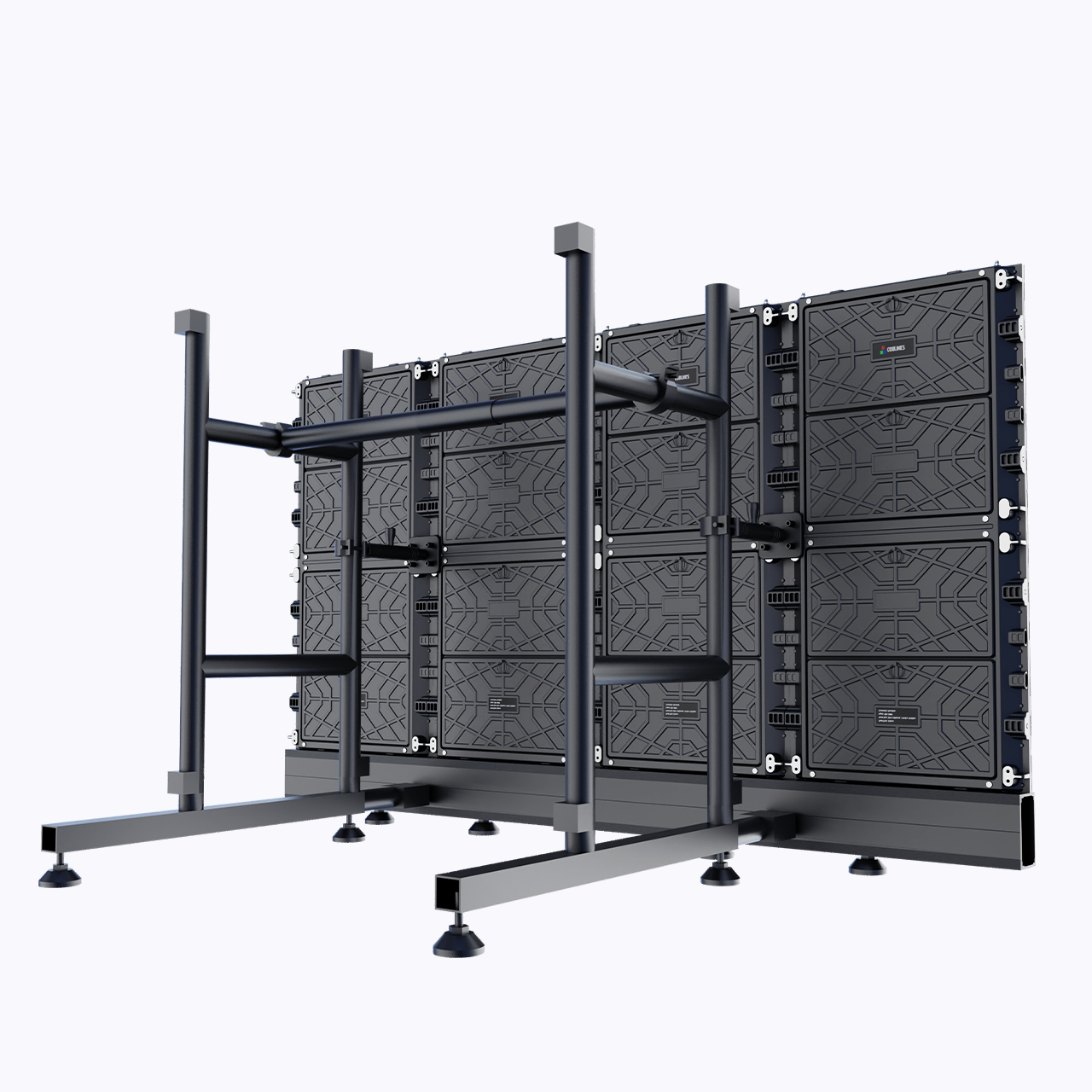
Teams often over-spec displays for cost-savings elsewhere—like choosing a broadcast-grade refresh rate but skimping on weatherproofing. Another recurring error is assuming one supplier handles both custom design and on-site service at scale; that split creates integration delays. Plan for service access: front vs. rear maintenance affects mounting design and downtime. —Also, never skip on-site calibration after installation; factory settings rarely match real-world light conditions.
Comparing suppliers: practical checklist
Use this checklist to shortlist vendors:
– Measured brightness and color uniformity data over time (not just initial specs).
– On-site installation and a local service window measured in hours, not days.
– Clear spare-parts pricing for LED modules and power supplies.
– References from similar deployments, ideally including public installations like Times Square or major arena projects where sustained daylight performance and camera capture were critical.
Comparisons should include total cost of ownership: procurement, installation, periodic recalibration, and eventual module replacement.
Alternatives and trade-offs
Rigid panels win on longevity and simple mounting but lose in curved or compact applications where a custom led display screen or flexible solution fits better. Fine-pitch indoor screens deliver crisp content for close viewing; outdoor LED walls lean on higher brightness and weather sealing. Choose based on use-case, not trend.
Advisory finale — three golden rules for selection
1) Match pixel pitch to viewing distance and intended content. This rule prevents overspending on resolution no one will see.
2) Demand field data: measured brightness, calibration drift over time, and MTBF for LED modules. Hard numbers beat glossy brochures.
3) Confirm service model and spare-part economics before signing. Fast replacement access keeps events on schedule and budgets predictable.
These three metrics give you a clear decision framework and reduce surprises on rollout.
Practical teams that apply this comparative approach end up with fewer service calls, cleaner visuals, and better budget control — and they usually find a partner who knows how to adapt solutions on site; Coblinks fits that role for many event and retail projects. —