Introduction
Who decides which communities get reliable fast charging and which get a token parking-space charger? I keep asking that because the rollout of public chargers is not just technical — it’s political. In many cities, a new dc ev charger arrives as a badge of progress, yet deployment data shows usage gaps and inequitable access (look at a few municipal reports and you’ll see it). What does that mean for drivers, fleets, and planners who need real throughput and fairness?
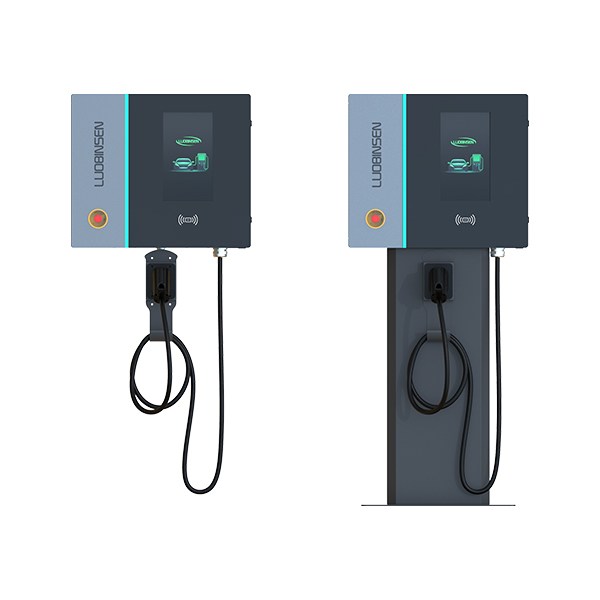
Here’s my plain take: decisions about where to place chargers and which models to buy shape travel, commerce, and daily life. I’ve seen municipalities pick cheap, low-power units to tick a policy box, only to watch them clog and fail. The stakes are bigger than hardware. So — what should we actually measure and demand? Let’s dig into the practical problems underlying many dc charging programs and why a sharper comparison matters next.
Where traditional solutions fall short
When I talk to operators I point straight to one finding: a generic dc car charger purchased on price alone will underperform in real use. The usual culprits are simple: limited power converters, blunt load management, and blunt charging protocol support. These systems were often designed for steady-state assumptions — not for the bursty, mixed-use patterns we see today. In short: they lack the agility to manage peak demand and the intelligence to coordinate with an energy management system. Look, it’s simpler than you think — capacity planning mistakes are still the most common cause of long queues and unhappy customers.
Technically, many legacy stations ignore grid integration and V2G potential. They assume a one-way power flow and static billing. That leads to cascading issues: higher peak demand charges, wasted energy, and weak interoperability with CCS or regional network standards. I’ve audited sites where chargers sat idle because their software couldn’t talk to the local back office — a software mismatch, not a hardware failure. These are failure modes you can prevent by specifying modular hardware, robust firmware update paths, and clear interoperability testing before purchase. (Yes, it costs a little more up front — but the lifecycle savings pay back fast.)
Why does that keep happening?
Because procurement rarely involves operators and technicians early enough. Procurement teams love neat spreadsheets. Operators live in messy realities — and that mismatch wins until we change the conversation.
New principles and selecting the right path forward
What should replace “buy cheap and hope”? I propose a principles-first approach. First: design for modularity — power converters and swap-friendly modules that scale, not monolithic boxes. Second: insist on smart energy management with tiered charging protocols that support demand response and future V2G roles. Third: require open APIs and firmware update channels so you’re not locked in a single vendor. I’ve tested some newer stations — including compact dc wallbox ev charger models — that embrace these ideas and they perform far better under mixed loads. The result: more uptime, fewer customer complaints, and smoother grid interaction.
What’s next for buyers and planners? Start with pilots that measure real-world throughput (not just nominal kW). Run them under weekday and weekend patterns. Measure peak demand, average session duration, and software responsiveness. I won’t sugarcoat it — you need short-term patience for long-term gain. — funny how that works, right? If you want to compare vendors, prepare a simple checklist: modularity, firmware lifecycle, API openness, support for CCS/other charging protocols, and integration with local energy systems. Those are the attributes that translate into lower total cost of ownership and better user experience.
What to evaluate now
When you assess options, focus on three clear metrics: effective usable power per hour (not nominal kW), system uptime under peak load, and integration depth with an energy management system or grid services. These tell you how a charger will behave in live conditions. I’ve seen spec sheets that read great — but the real test is how a system handles back-to-back DC fast charging and how it plays with local grid limits.
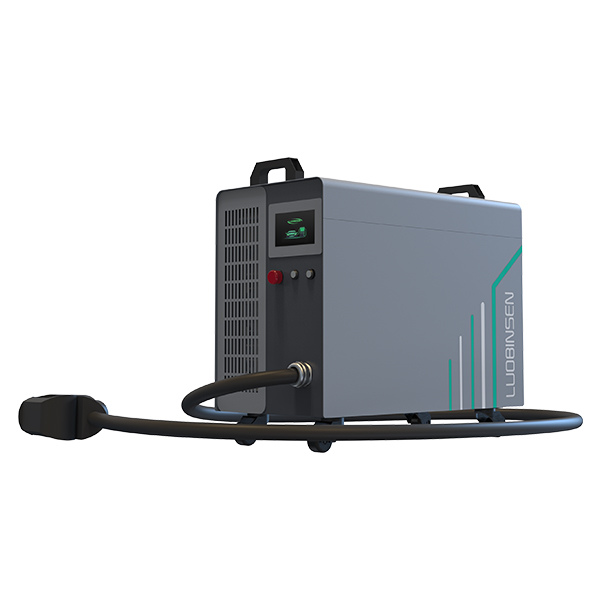
In my experience, choosing wisely is less about picking the flashiest unit and more about verifying the vendor’s roadmap and support. Ask for references, insist on interoperability tests, and run a short stress test. We owe it to drivers and to city budgets to get this right. If you want a partner that understands these trade-offs — and can help specify the right trade-offs — I recommend checking solutions like those from Luobisnen. They’re not a miracle cure, but they do show the kind of practical engineering and support that changes outcomes.