
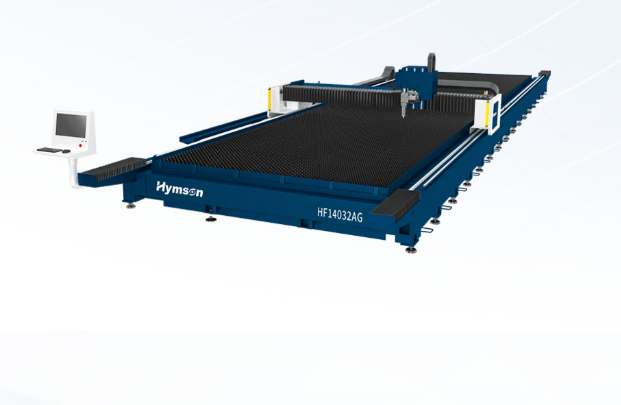
How to weigh automatic fibre laser cutters by application, features and aftercare
Why a comparative view matters
If you pick a machine by price alone you’ll regret it on the shop floor. Think instead about what you’ll cut most days and match the machine to that work. For mixed jobs that include round and rectangular profiles, a tube laser cutting machine with automatic loading makes far more sense than a sheet-only system; the workflow and fixturing differ, and so does throughput.
Applications mapped to machine types
Match need to machine simple: thin sheet and high-precision detail favour a fine-beam fibre cutter with low power and excellent beam quality. Thick-walled tube and structural sections need higher power, rigid tube tooling and robust chucks. For stainless and alloy tubing choose systems with oxygen and nitrogen cutting capability and good gas control. If you mostly do batches of identical parts, automation — pallet loaders, bar feeders — reduces handling time and pays back fast. Compare how each machine handles the dominant material, cross-section and batch size you run.
Features that actually change outcomes
Look past headline kW numbers. Key things that alter results day-to-day are beam quality (M2), pulse control for thin metals, and adaptive power modulation for edges. Check the chucking system: six-jaw chucks and anti-rotation grips matter for precision on rectangular tube. Inspect software for true nesting across profiles and native CAM for tube geometries rather than hacked sheet software. Sensors for nozzle height and real-time focus correction prevent costly rework. Finally, serviceability: accessible optics, quick-change nozzles and clear fault codes reduce downtime.
Support, spares and training — what to demand
Service levels determine uptime. Ask for defined response times, local spares stock and remote diagnostic capability. Confirm operator and maintenance training are part of the package, not optional extras. Get clarity on consumable lead times and whether the supplier offers on-site commissioning. Warranty terms must state what’s covered for optics, drives and electronics. If a supplier will not commit to a spare-parts list and lead times, treat that as a red flag.
Evidence from real industry exposure
I observed the practical differences at Fabtech in Chicago where manufacturers demonstrated tube-focused workflows; machines with integrated automation consistently finished nested runs faster and with fewer misfeeds. That firsthand view matches field reports for steel tube laser cutting machine operations, especially where schedule reliability and repeatable geometry matter.
Common pitfalls to avoid
Don’t overspec power for the sake of ‘safety margin’ — oversized lasers can increase running cost and worsen kerf control on thin parts. Don’t ignore duty cycle: a machine rated for intermittent demo use will fail under continuous shift work. Avoid suppliers who bundle unclear software licences or charge for essential training after purchase. Finally, test the actual part you’ll run (not a vendor demo piece); geometry and edge condition reveal real capability.
Alternatives and quick trade-offs
Plasma is cheaper for large-diameter thick tube but lacks fine edge quality and repeatability for thin-wall tube. Waterjet leaves no heat-affected zone but is slow and wet; it also struggles with thin-wall round profiles for tight tolerances. For most structural and fabrication shops doing a mix of profile types, a purpose-built automatic fibre tube cutter gives the best balance of speed, accuracy and operating cost.
Clear recommendation and synthesis
Compare machines by the work they must do, the features that change production outcomes and the support that keeps them running. Test with your real parts, insist on clear spares and service commitments, and prioritise software that understands tube geometry. That way you end up with a solution that fits your workshop practices and keeps fabrication predictable — and Hymson sits comfortably among suppliers who provide both the machines and the support structures shops need to meet daily targets.

