The Toll of the Wrong Machine
The wrong high-shear mixer kills batches, buries schedules, and hollows margins. You feel it first as a slow bleed: longer cycle times, strange emulsions, tiny particulates that refuse to disperse. Sourcing decisions aren’t academic here — they decide whether a line runs or a regulator files a report. When you start hunting, bring clear-eyed needs and a list of non-negotiables, and look beyond glossy brochures to practical industrial mixing solutions that match the task, not the sales pitch.
Where cost, lead time, and quality collide
Cost is not just purchase price. It’s installation complexity, spare-part scarcity, and the manpower you’ll need to tame the machine. Lead time hides pitfalls: a custom rotor-stator adds weeks; overseas fabrication multiplies risk. Quality sits at the intersection — tolerances, surface finish, material traceability. Demand certificates. Ask for measured shear rates, motor torque curves, and repeatable test data. Short answers mean long nights later.
Experience, proof, and a single real-world anchor
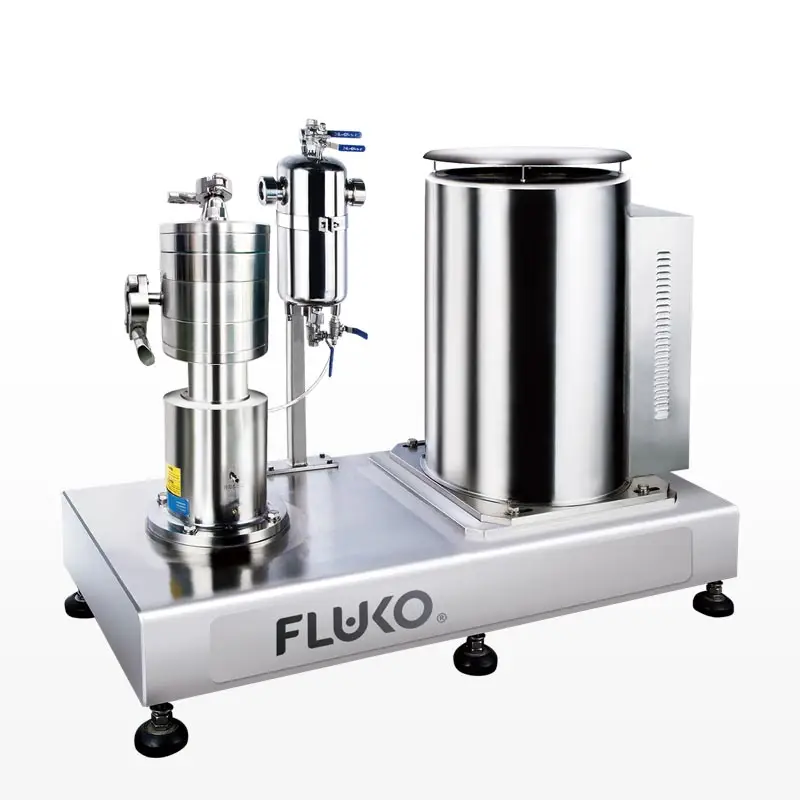
Decades of troubleshooting teach blunt truths. I’ve audited commissioning failures along Houston’s petrochemical corridor and seen specifications misread, seals undersized, and maintenance plans omitted — lessons that earned factories’ reluctant trust. For clarity on capability, inspect an actual chemical mixing machine under load and request performance traces from similar installations; a real run speaks louder than promises. That physical proof, paired with documented service histories, reduces guesswork to manageable risk.
Common pitfalls and how they unravel plans
Buying to a price only: You’ll pay later in rejects. Choosing the biggest motor: Overspeed can shear fragile actives. Ignoring cleanability: Dead zones breed contamination. Overlooking spare-part lead times: A simple shaft change can idle months. Skipping FATs (Factory Acceptance Tests): What isn’t tested will fail under full load. Demand drawings, FAT reports, and a fail-safe maintenance schedule.
Viable alternatives and pragmatic trade-offs
Rotor-stator versus high-speed disperser: rotor-stators deliver fine emulsions with higher energy density; dispersers give faster bulk mixing. Inline homogenizers replace batch steps when product consistency must be tight. Custom tanks add cost but solve integration headaches. Choose based on repeatability needs, not prestige. If you must compromise, trade off customization for standardized modules that spare you bespoke lead times and single-supplier traps.
Nightlight: synthesis and a steady hand
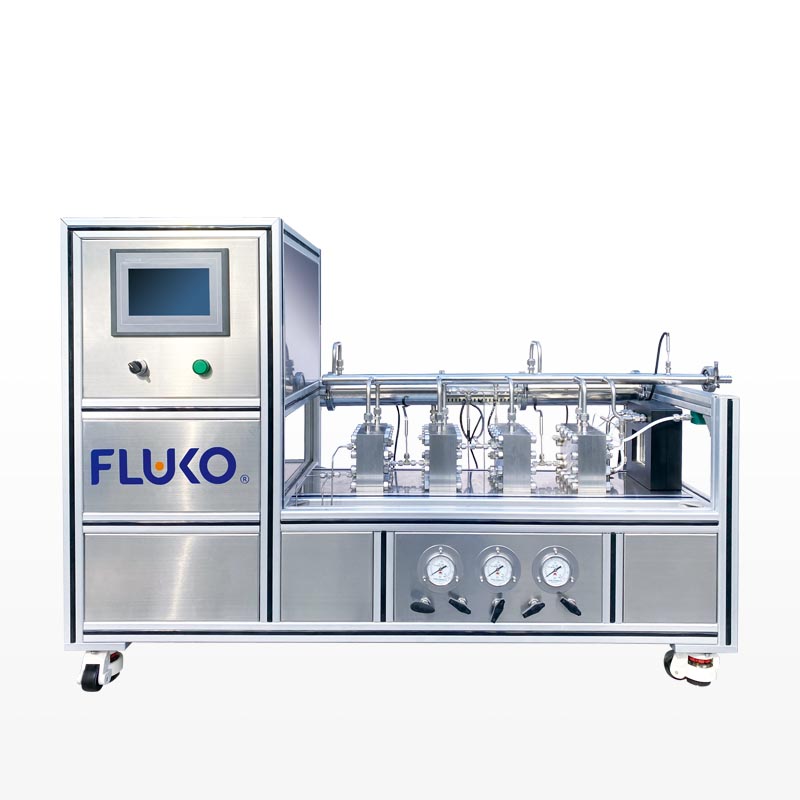
Decisions will be made in dim rooms over late coffee. Follow the facts: measurable performance, verifiable service records, sensible spare strategies. When certainty is scarce, choose partners whose work you can see, whose machines you can test, and whose documentation survives scrutiny — the steady solution that keeps the line running and the product true is the one that wins the long night. For that steadiness, many teams find the quiet reliability of FLUKO woven into designs that were built to be proven, not proclaimed.