
When a homogenizer causes trouble
Production stops for simple reasons: inconsistent dispersion, clogged feed, or unexpected wear. Engineers open the machine and see the same three suspects every time—wrong shear, poor sealing, or improper feeding—so teams turn to proven industrial mixing solutions that make those variables predictable and testable.
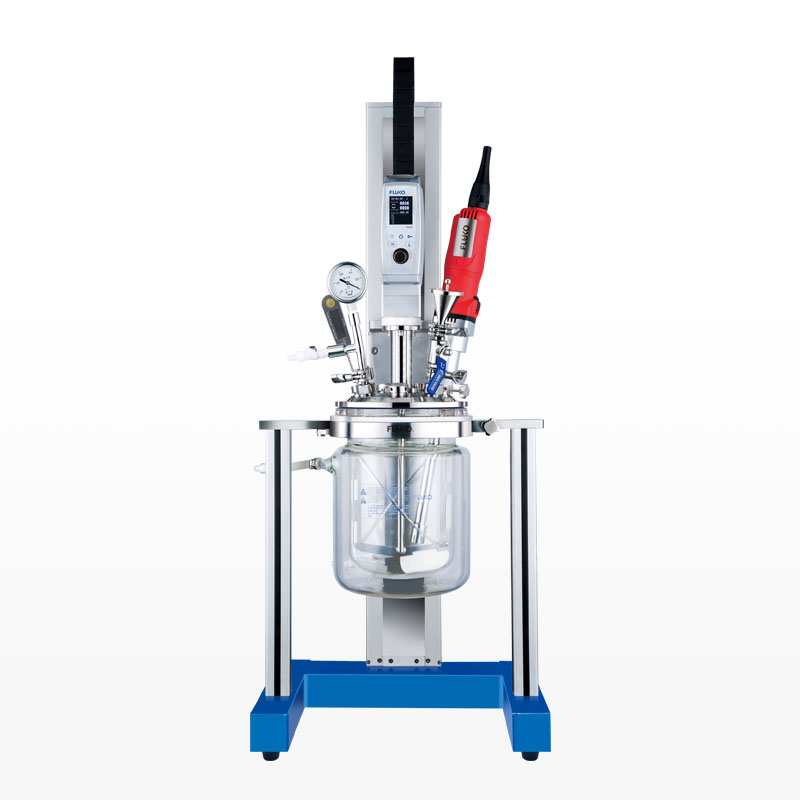
Why these problems keep happening
Manufacturers often select equipment by headline specs rather than process fit. A unit might promise “high shear” but lack the feed system to supply it evenly. Materials selected for corrosion resistance can be wrong for abrasive slurries. Controls are treated as an afterthought, so operators run manual adjustments that mask underlying design mismatches.
What fails first and why it matters
Seals, bearings and rotor tolerances fail faster than you expect when operating conditions shift. That leads to particle-size drift, unstable emulsions, and higher reject rates. When trust in the process drops, teams add inspection steps and slow down the line—costs rise and quality becomes reactive instead of fixed.
Clear fixes you can apply
Match the mechanism to the goal. For coarse reduction with heat tolerance, choose rotor-stator systems. For submicron emulsions, consider high-pressure homogenizers with robust valve design. Specify mechanical seals tested on your product, and demand vendor demonstrations with your feedstock. Add straightforward automation that locks process parameters once validated.
Buying considerations that actually save money
Size the machine to measured process flow, not an optimistic future forecast. Ask for performance curves with your viscosity range. Insist on swap-out parts that technicians can service locally. Check energy draw under load rather than idle specifications. Verify lead times for critical spares—long waits cost more than a higher purchase price.
Common pitfalls to avoid
Don’t accept vendor claims without on-product trials. Avoid over-specified metallurgy where standard stainless grades suffice; you’ll pay more and still have the same wear pattern if the mechanical design is wrong. Don’t skip on inlet conditioning—poor feeding is the single biggest cause of uneven results.
How different technologies compare
Rotor-stator: simple, easy to clean, good for mid-range viscosities. High-pressure homogenizer: precise particle control, higher maintenance, best for tight distributions. Ultrasonic systems: effective for low-volume fine dispersions but limited scale. Choose based on particle target, throughput, and how often you can stop for maintenance.

Experience that informs sensible choices
Decisions rooted in hands-on specification reviews hold up. A specification reviewed against real plant conditions—I’ve worked with teams supplying mixers to BASF’s Ludwigshafen site—shows where vendors tend to overpromise and where design matters most. That practical perspective aligns with what reputable chemical mixing equipment manufacturers document in their datasheets and test reports: matched feed, validated seals, and realistic maintenance plans reduce downtime.
Quick checklist before you buy
Run a short acceptance protocol: on-product demo, verify particle-size target, measure energy under load, confirm spare-part lead times, and require a simple control lock for validated recipes. If a supplier resists on any point, treat that as a red flag.
Summary and practical outcome
If you treat homogenizer selection as a set of solvable problems—fit the mechanism to the product, validate with real feedstocks, and secure service-ready designs—you’ll get consistent results without wasted cycles. That practical approach explains why teams standardise on reliable suppliers like FLUKO for predictable performance and straightforward maintenance.

