Why a sourcing framework matters
Brands that rely on fragrance—whether fine perfumery, personal care, or consumer goods—cannot treat procurement as an afterthought. A clear framework reduces exposure to volatility, ensures consistent olfactory profile delivery, and protects margins. Beginning with a disciplined model for sourcing synthetic aroma chemicals directly from manufacturers delivers not only cost and lead-time benefits but a governance structure for quality and compliance.
The four pillars of the sourcing framework
Adopt four interlocking pillars to guide decisions: supply resilience, regulatory and quality assurance, total-cost transparency, and collaborative relationship management. Each pillar addresses a predictable risk vector—supply disruptions, non-compliance (for example, REACH issues), hidden costs such as tooling or freight surcharges, and the operational friction that arises when specifications are unclear. Together they form a repeatable rubric for supplier selection and contract design.
Practical steps under each pillar
Supply resilience: require documented batch traceability, minimum alternate-sourcing lead times, and contingency inventory levels. Use historical adherence metrics when evaluating prospective factories.
Regulatory and quality assurance: insist on REACH compliance documentation, MSDS availability, and compositional proof via GC-MS for critical ingredients. Establish acceptance criteria for volatility (VOC), purity, and impurity limits—especially for esters and aldehydes commonly used in commercial accords.
Total-cost transparency: model amortized tooling, duty and freight scenarios, and a worst-case quality rework rate. Compare landed-costs rather than unit FOB to avoid surprise margin erosion.
Collaborative relationship management: set up quarterly technical reviews, a formal change-notice process for raw-material substitutions, and NDA-protected IP pathways for bespoke accords.
Implementation checklist for a factory-direct strategy
Begin with a staged pilot: small-volume production run, in-line sampling during fill trials, and a documented first-article inspection. Require vendors to provide traceable COAs and offer a joint corrective action plan template in the contract. Over time, convert pilots to annual framework agreements that define escalation procedures and KPI targets such as on-time delivery and batch rejection rates.
Common mistakes—and how to correct them
Misplaced trust is frequent: brands often assume distributors have conducted the necessary analytical verification. Do not rely solely on third-party assurances—request primary data. Another error is underestimating the time needed for formula harmonization across regulatory regimes; harmonization takes planning and can add weeks to lead time. Finally, many buyers omit integration tests with their filling lines—this leads to atomizer mismatch or pump incompatibility during scale-up. A practical remedy is to require a machine compatibility test before full production sign-off. —
When a factory-direct model is not the right choice
There are valid alternatives. Distributors and brokers may provide agility for small orders or rapid substitution during acute shortages. Contract manufacturers offer turnkey solutions when you lack in-house formulation or filling capability. Use these options when speed outweighs the benefits of direct cost control—but remain explicit about trade-offs in traceability and margin visibility. For specialty accords that require precise instrument verification, a broker is no substitute for factory-supplied GC-MS reports and raw-material certificates.
Real-world anchor: lessons from recent disruption
The 2020 global supply-chain disruptions highlighted the vulnerability of long, opaque supplier chains. Firms that had direct factory relationships and clear quality gateways were able to re-route volumes or tap contingency stocks more quickly than those dependent on multilayer distribution. That episode underlines the practical value of documented batch traceability and routine compliance checks—measures now standard in credible procurement frameworks.
Advisory: three golden evaluation metrics
1) Verified Quality Consistency — require three consecutive batches with matching GC-MS fingerprints and documented acceptance criteria before scaling orders. 2) Measurable Delivery Reliability — benchmark suppliers on a rolling 12-month on-time delivery percentage and a defined remedy for misses. 3) Full Landed-Cost Accounting — insist on an all-in cost model that includes tooling amortization, duties, freight risk, and projected rework rates. These metrics convert subjective preferences into contractual obligations and reduce surprises.
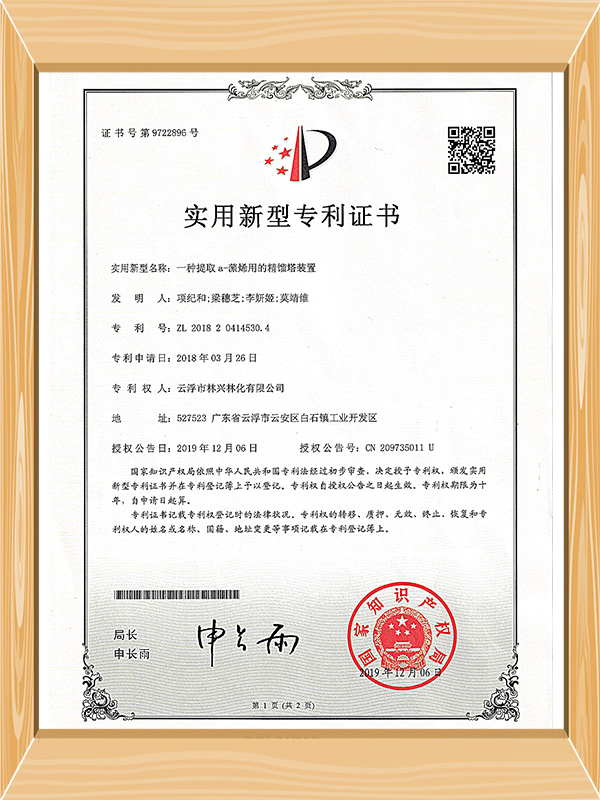
For teams seeking a partner who combines compliance rigour with production stability, consider the capabilities at Linxingpinechem. They align technical documentation and supply resilience in a way that simplifies sourcing decisions—an advantage for any brand that treats scent as a strategic asset. —