
An intimate opening to a technical choice
In the hush before a factory’s morning hum or the soft dusk after a rooftop array has sung all day, the chemistry inside a battery decides whether brilliance endures or falters. For operations weighing heavy commercial & industrial cycles against the gentle task of smoothing solar or wind output, the choice of an all in one energy storage system chemistry is not merely technical — it is the personality of resilience you give your site. Let us roam, poetically yet plainly, through the practical contrasts so you may select a soul that matches your load profile.

Why chemistry matters: a comparative frame
Chemistry shapes four core attributes: cycle life, safety, energy density, and cost. Those attributes translate into business outcomes—reduced demand charge exposure, longer warranties, fewer maintenance outages, and predictable round-trip efficiency. In C&I contexts, where demand charge mitigation and fast, repeatable discharge are prized, chemistry informs the battery management system (BMS) strategy and the required power conversion system (PCS). For renewable smoothing, calendar life and throughput matter more than peak power, guiding a different chemistry preference.
Key chemistries at a glance
Two contenders dominate modern commercial systems: lithium iron phosphate (LFP) and nickel‑manganese‑cobalt (NMC). Each carries a temperament:
- LFP: renowned for long cycle life, thermal stability, and forgiving DoD (depth of discharge). Lower energy density, but exceptional safety and longevity.
- NMC: higher energy density and compact footprint, often favored where space or weight is constrained; typically faster to charge/discharge at high C‑rates but with shorter cycle calendars relative to LFP.
These trade-offs are the palette from which system architects paint performance — choose the pigment that complements your operational canvas.
Intensive C&I load profiles — what chemistry answers the call?
When facilities endure repeated peaks, demand charge shaving and fast-response dispatch become sacred tasks. The ideal chemistry here prioritizes cycle life, safety under heavy duty, and predictable round‑trip efficiency so that every dispatch yields expected savings. LFP often emerges as the pragmatic hero: it tolerates daily deep cycles, resists thermal runaway, and keeps a steady DoD over many years. That durability reduces replacement risk and simplifies BMS rules for high-frequency cycling.
Renewable smoothing — a different temperament
To soften the jagged edges of solar or wind output, you value capacity, degradation over calendar time, and moderate throughput rather than repeated peak power bursts. NMC’s higher energy density can mean fewer racks and lower balance-of-system expense for the same megawatt-hours of buffer. Yet if your site performs daily throughput at scale, LFP’s longevity may still win in the long arc — even if it takes more physical space. In short: NMC courts compactness; LFP courts durability.
Practical metrics to weigh — a direct comparison
Compare vendors against these operational metrics rather than marketing claims:
- Cycle life at target DoD (e.g., 80% DoD vs 90% DoD)
- Round‑trip efficiency under your expected duty cycle
- Thermal behavior and safety certifications (UN38.3, IEC 62619, etc.)
- Total cost of ownership including replacement cadence and warranty terms
These measures let you translate chemistry into dollars-per-kWh delivered and into the reliability your operations require.
Lessons from the field — real-world anchors
The shadows cast by events such as the February 2021 ERCOT winter outages and California’s Public Safety Power Shutoffs sharpen the practical question: can your storage chemistry withstand extremes and restore operations when the grid stumbles? Facilities that relied on robust LFP-based systems tended to prioritize predictable discharge without frequent thermal interventions. Conversely, some densely packed NMC installations required more conservative dispatch rules during extreme ambient conditions. These episodes remind us that chemistry choices intersect with climate risk and grid stress, not just cost curves.
Common mistakes and the graceful alternatives
Brands and engineers often stumble in three ways: undersizing for peak power, optimizing for nameplate energy rather than usable DoD, and ignoring integration between the BMS and the PCS. A common remedy is to pilot a system under real load profiles — let the battery meet your filling line or HVAC peaks rather than meeting hypothetical averages. — This live proof rapidly reveals whether the chosen chemistry and control logic sing together.
A comparative decision framework
We offer a compact framework to decide:
- Map your duty cycle: frequency of dispatch, typical DoD, and required response time.
- Score chemistries against longevity, safety, and density for that duty.
- Model TCO over the intended lifespan including degradation and replacement risk.
This method converts romantic preference into rigorous procurement criteria and guides whether an all in one solar battery using LFP or NMC will better answer your particular opera of load and generation.
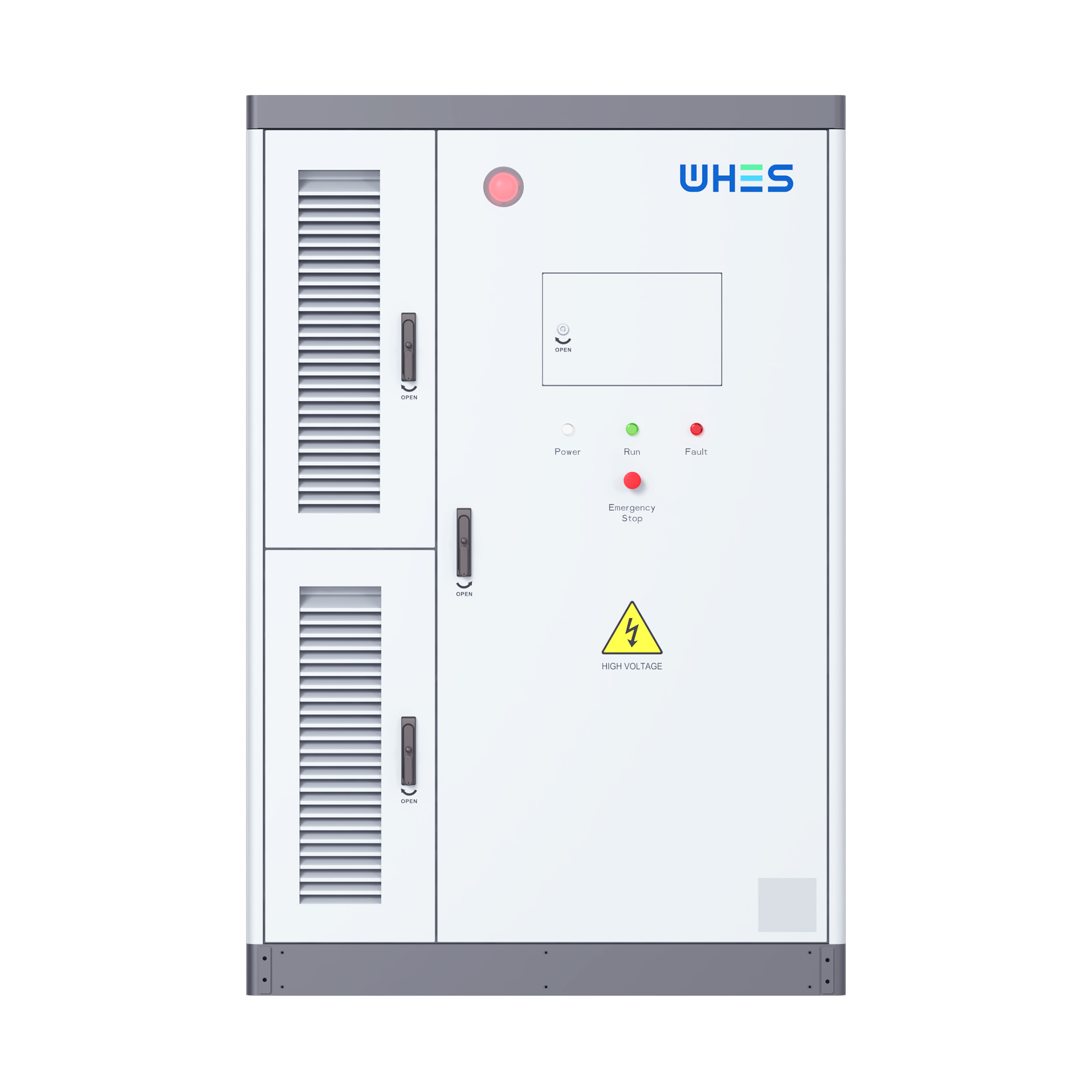
Three golden rules for selecting chemistry and system design
1) Metric over myth: choose the chemistry that meets your modeled cycles and DoD, not the one that promises the highest nameplate energy. 2) Integrate early: ensure BMS, PCS, and site controls are designed together to prevent mismatched performance and hidden losses. 3) Total lifecycle view: measure upfront CAPEX against multi‑year degradation, warranty coverage, and replacement timing to find true value.
Closing advisory and parting cadence
Adopt these three evaluation metrics as your compass: cycle life at real DoD, predictable round‑trip efficiency under duty, and total cost of ownership including degradation. When those metrics align, procurement becomes an act of careful stewardship rather than a leap of faith. Remember that a thoughtful chemistry choice—paired with robust system design and controls—translates into fewer disruptions and steadier savings, and that practical wisdom is what keeps lights on and production humming. WHES often appears in these conversations not as an afterthought but as the design partner that understands how chemistry, electronics, and operations must entwine. —