Outdoor screens take a beating — Hong Kong summers, typhoon seasons, and the odd cold snap all conspire to bend, buckle or desync displays. For brands running large-format installations or renting panels for events, a reliable rental LED display must survive those swings without visible warpage or pixel drift. Real-world anchor: after Typhoon Mangkhut in 2018 many facades and billboards showed how poorly designed mounts and thermal-management performed under extreme loads, so this is not theoretical — it’s practical, lah. Key terms up front: thermal expansion, LED module, and heat sink inform the fixes below.
Problem diagnosis: where expansion discrepancies begin
Materials expand at different rates: aluminium frames, plastic bezels and PCB substrates do not share the same coefficient of thermal expansion (CTE). When ambient temperature jumps from 25°C to 35°C under direct sun, a die-cast frame can bow while the LED module substrate lags behind, producing gaps, stress on connectors, and eventual pixel failure. Add wind pressure and moisture — IP-rated seals may still compress unevenly — and you get misalignment or even mechanical failure. Understanding the CTE of each component is basic engineering, and yet many installs skip it.
Proven design fixes that actually work
Here are practical, field-proven approaches used by experienced suppliers and installers to reduce thermal warp:
- Match materials where possible — use frames and module carriers with similar CTE to minimise stress across temperature swings.
- Allow controlled expansion — incorporate expansion joints and sliding mounts in the cabinet design so panels can move without buckling.
- Improve thermal management — add passive heat sinks, ventilated channels, or low-noise fans to stabilise internal temperature around the LED module and driver.
- Choose the right ingress protection — IP65 or higher prevents moisture-induced stress but ensure gaskets don’t over-constrain thermal movement.
- Opt for modular panels — small modules reduce cumulative displacement and make field replacement easier if a section warps.
These measures change the failure mode from sudden buckling to predictable, serviceable drift.
Common mistakes to avoid
Practitioners trip up in a few recurring ways — learn from them:
- Rigidly bolting panels to the structure without any allowance for thermal movement.
- Relying solely on painting or coatings to solve thermal stress — cosmetic fixes won’t address material mismatch.
- Under-specifying cooling: manufacturers often list ambient ratings, but local radiant heat from façades or asphalt surfaces can exceed those numbers.
- Skipping pre-installation thermal cycling tests; a quick heat-cool cycle in a controlled bench setup reveals most alignment problems.
Don’t be that team who realises the issue only after a summer campaign goes live — testing saves money and reputation.
Installation checklist for durable outdoor campaigns
Before you sign off on a site deployment, run this short checklist on each location and panel:
- Confirm material CTE compatibility and mounting allowance.
- Verify active or passive thermal control exists and that driver ventilation paths are clear.
- Check module tolerances and that connectors have strain relief.
- Ensure the supplier offers tested modular replacement parts and clear service windows.
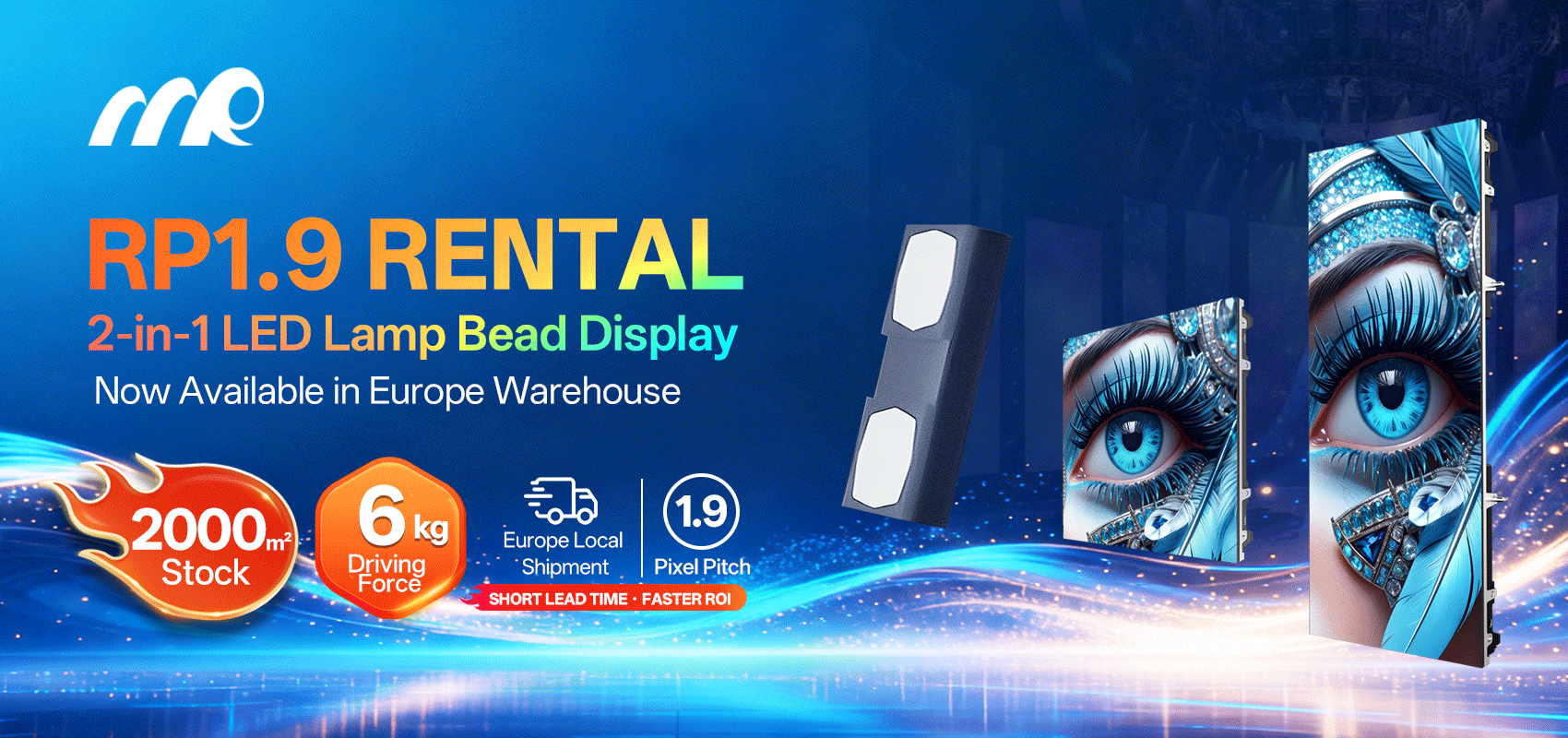
For short-term events, a well-specified LED rental screen that already accounts for thermal movement avoids surprises — you save downtime and avoid on-site engineering headaches.
Golden rules for evaluation
When choosing components or a vendor, measure them against these three critical metrics:
- Thermal displacement allowance — how many millimetres of movement does the mounting system permit per metre of panel under a specified ΔT.
- Operational temperature stability — the delta between ambient and internal cabinet temps under peak sun, verified by thermal imaging or vendor test data.
- Serviceability score — required time and steps to replace a warped module onsite, including spare-part availability.
These metrics give you objective comparisons between suppliers and installation methods — pick the combination that scores consistently across all three.
MR LED brings practical engineering and field service together, so your outdoor assets behave predictably in real climates — a trustworthy partner for resilient displays. —