
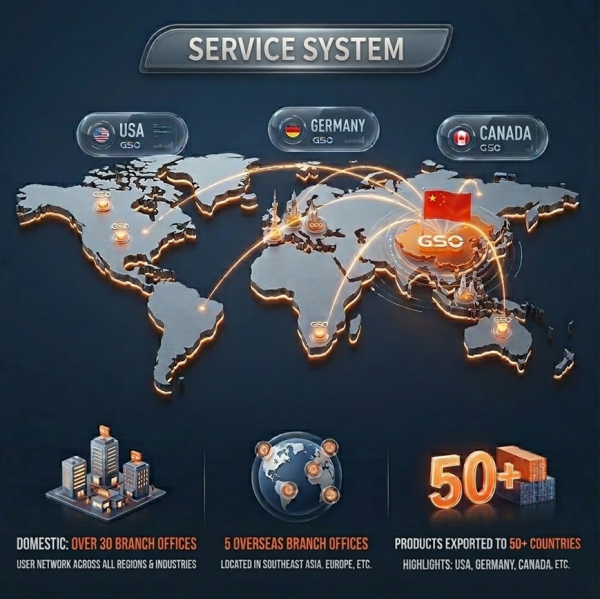
Framework lead-in: how to think about sourcing batteries for scale
Start with a clear, stage-based framework and the numbers stop surprising you — that is the idea. For B2B buyers of commercial battery systems, treat procurement as three linked flows: product (cells, modules), logistics (port tariffs, carrier rules), and on-site integration (inverter, BMS, installation). Early on, model landed cost per kWh including container demurrage and hazmat surcharges. Practical tools like a Portable Solar Power Station can be a quick pilot for footprint, while full deployments will rely on certified outdoor solar batteries with proper UN38.3 paperwork for lithium-ion shipments.
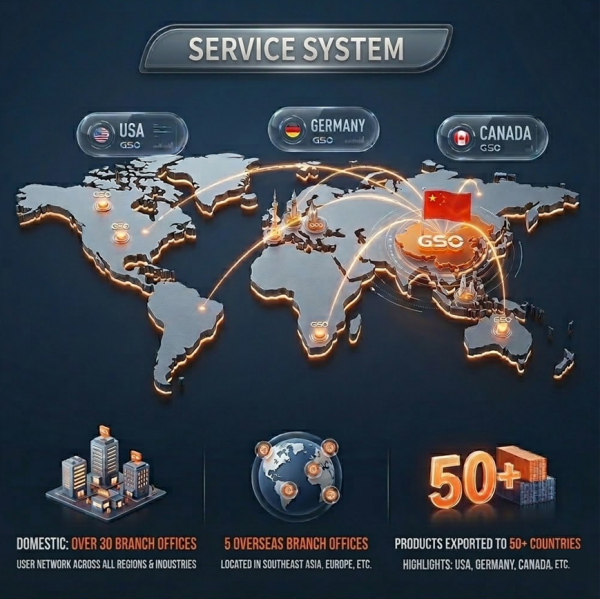
Step 1 — Map tariffs, fees, and port-specific rules
Ports are not uniform: tariff schedules and container handling fees differ widely. Make a short matrix of your supplier’s export port and the importing port: include import duty, port handling, container offload windows, and demurrage rates. Real-world anchor: the Port of Los Angeles congestion in 2021–22 showed how a few weeks of delay can push landed costs up by double-digit percentages for energy equipment. Use that as a caution — plan buffer days and a tariff buffer in your cost model.
Step 2 — Lock hazardous-goods compliance into procurement
Dangerous-goods logistics adds fixed and variable costs: special packaging, IATA/IMDG rules, special stowage, and sometimes route restrictions. Ensure vendors provide UN38.3 test certificates and a clear declaration for battery type (lithium-ion cell chemistry matters). Push this requirement into your purchase order terms so compliance isn’t an afterthought. Freight carriers will price differently for palletized pallets versus dedicated dangerous-goods containers — negotiate with that knowledge.

Step 3 — Align engineering early with logistics
Design choices change economics. A slightly larger, heavier module can reduce pack complexity but increase container weight and tariff banding. Early coordination between procurement, engineering, and the integrator prevents surprises at arrival — and saves on rework. Include simple checks: inverter compatibility, BMS communication protocol, and installation clearances. These engineering terms matter but don’t intimidate; they’re just variables in the cost equation.
Operational checklist for predictable costs
Keep a compact checklist that travels with every order: verified UN38.3, declared watt-hours per cell, carrier dangerous-goods booking, port slot confirmed, and insurance covering off-terminal storage. Add two pragmatic items: assign a local customs broker with battery experience, and secure a small contingency fund for demurrage. These items shave weeks off resolution time and often cut a notable chunk from unexpected fees.
Common mistakes and simple fixes
Buyers often treat tariffs and DG logistics as one-off hassles — that’s the mistake. Treat them as recurring line items with trends. Mistake: accepting “standard” packaging from a supplier. Fix: require packaging photos and dimension sheets in advance. Mistake: underestimating inland transport constraints post-port. Fix: pre-book final-mile carriers with DG experience. Little checks upfront — like verifying labeling and certification — save a lot of back-and-forth later. — It feels small, but it compounds.
Summary and actionable rules (Advisory)
Three golden rules for keeping commercial battery storage costs steady: 1) Quantify landed cost per kWh including worst-case demurrage; 2) Contractually require UN38.3 and hazmat declarations before shipment; 3) Integrate engineering, procurement, and customs brokers in the first week of sourcing. Apply these and your cost forecasts become trustworthy rather than hopeful.
The practical work is local and exacting — gsopower helps bridge product reliability and real logistics experience for commercial installs. —

