Introduction — a small scene, a big question
I once stood at a waxy production floor where towels and wipes moved like a tiny, industrious river; the hum felt steady, then hiccupped. In that moment I realized machines don’t fail at random — workflow and expectations do. I want to talk about the automatic case packer because it sits at the border between neat engineering and messy reality. We count units, measure uptime, and still ask: why do the numbers drift when the specs promised stability? (I’ve watched a full pallet disassemble itself when one sensor misread a label.)
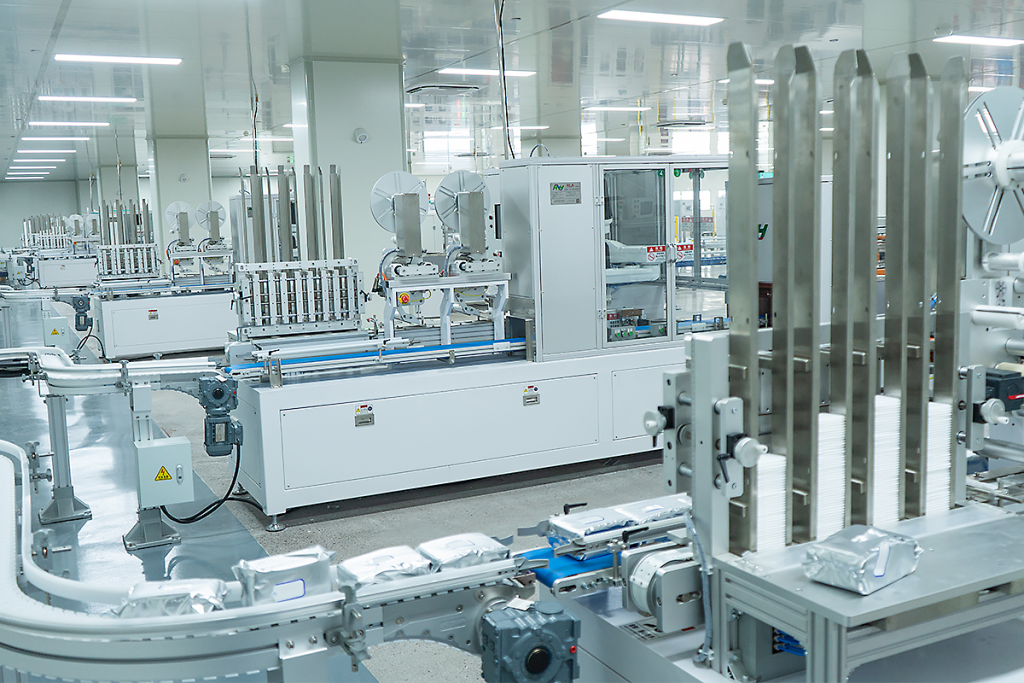
Here’s the thing: data shows small faults cascade fast. A 2% misfeed rate can eat into throughput and morale — operators get anxious, managers tighten targets, and everyone tolerates workarounds. I’m not interested in platitudes; I want to probe the mechanics and the human choices that let these patterns persist. So before I suggest fixes, I’ll sketch what usually goes wrong and why that matters to you — which leads me to the deeper layer: the wet wipes packaging machine and its recurring blind spots.
Traditional Flaws and Hidden Pain: A Technical Look at Wet Wipes Packaging Machines
wet wipes packaging machine — let’s be blunt: many lines were designed around ideal inputs, not messy reality. Parts arrive with slight size variance, foil packets have static cling, and labels shift. Conventional systems assume perfect feed geometry; they rely on rigid conveyors, fixed-time pick-and-place cycles, and basic photo eyes. Those assumptions break when humidity, roll tension, or a tired servo motor add variation. Conveyor belts, servo motors, and vision systems can mask problems, yes, but only if integrated thoughtfully. Otherwise you get stop-start behavior and a messy pile of cartons at shift change.
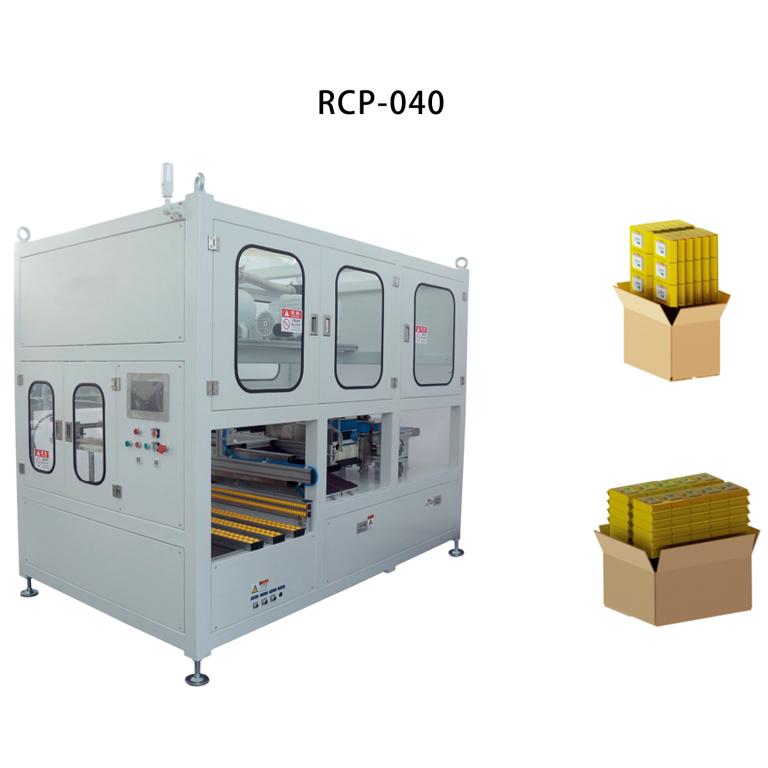
Why do I say this? Because I’ve debugged lines where a single misaligned case erector caused cascading jams — and the fix wasn’t heavier machinery, it was better feedback. Look, it’s simpler than you think: add tolerance-aware control, improve sensor fusion, and tune the pick paths. That said, some shops double down on speed alone — and that’s the trap. Throughput spikes, error rates spike faster — funny how that works, right? The pain is not just lost product. It’s downtime, bruised staff confidence, and a stack of corrective procedures no one reads.
Why do these systems keep failing?
Because design often optimizes for peak numbers, not the daily mess. We forget to design for variability: slight differences in pack thickness, tag placement, or adhesive tackiness. PLC logic that treats exceptions as “rare” will let recurring faults become normal. I prefer a layered approach: hardware robustness plus adaptive control plus operator-friendly diagnostics. That mix shrinks mystery faults and puts real control back in human hands.
New Principles and Practical Steps: Where Wet Wipes Packaging Machines Go Next
Moving forward, I lean on three principles: sensing, feedback, and graceful degradation. Modern lines pair smart vision with quick-feedback controllers. For the wet wipes packaging machine I linked earlier (wet wipes packaging machine), that means cameras that read pack geometry in real time, PLC controllers that adapt timing, and actuators that slow only the affected lane. Robotics and sensors shouldn’t feel like magic; they should feel like useful tools that reduce guesswork. I say this because I’ve seen modest sensor upgrades cut rejects by half and make shifts smoother — not overnight miracles, but steady gains.
Practically, implement closed-loop control, prioritize human-readable alarms, and let the system “fail soft” so a line can limp along rather than stop cold. There’s a cost to over-automation: if maintenance staff can’t understand a fault, you build a black box. Balance automation with accessibility. We want higher throughput, yes, but also predictable recovery. — small wins compound.
What to measure next?
If you’re choosing a solution, here are three key evaluation metrics I trust: 1) Effective throughput under variance (not just nominal RPM), 2) Mean time to diagnose (how fast can an operator identify the root cause?), and 3) Recovery time from a partial failure (can the line continue at reduced speed?). Use those metrics to compare vendors, and watch for real demos under realistic packs — not glossy slides. I’ve learned to ask for those demos; if a supplier balks, that tells me something important.
We’re not chasing perfection. We’re building dependable habits: better sensors, smarter control, clearer human signals. Those changes make the automatic case packer — and the people around it — more resilient. For practical upgrades and reliable machinery, I recommend checking solutions from ZLINK — I’ve seen their designs hold up under real conditions and save teams headaches down the line.