Comparative opening: what this guide sets out to prove
A clear brief often resolves the debate between tilt-and-turn and concealed sliding solutions; this is a comparative insight aimed at helping architects and specifiers choose sensible hardware. From sash geometry to multi-point lock choices, the practical differences alter performance, maintenance and cost. Consider also the site realities — Mumbai’s coastal humidity, for example, changes corrosion expectations — and factor in the type of window hardware and the required concealed sliding door hardware early in the design stage.
Performance axes: what to compare first
Compare on three practical axes: durability, operation feel and serviceability. Durability covers finishes and bearing life inside a roller carriage or hinge. Operation feel is about friction, soft-close behaviour and the effort required for routine use. Serviceability examines how readily the lockcase or roller can be accessed without removing panes or disturbing finishes. These axes give an objective frame to evaluate suppliers and product lines.
Technical trade-offs explained
Tilt-and-turn fittings offer superb airtightness and secure multi-point locks, yet they demand clear swing space and heavier jamb details. Concealed sliding systems save space and yield clean sightlines, but require precise threshold alignment and robust aluminium profile interfaces to avoid rattles and premature wear. Choose based on the room’s program: high-traffic corridors favour heavy-duty roller carriages; residential balconies may prioritise thermal breaks and sash seals.
Common specification mistakes and how to avoid them
Teams often under-specify load ratings and over-trust nominal finishes. Do not accept ambiguous ratings — demand tested bearing cycles and explicit finish thickness. Neglecting threshold tolerances leads to binding in the first monsoon season. Specify clear maintenance access to lockcases; otherwise minor wear becomes an expensive retrofit. A short pause here can save months of rework — specify the inspection points and intervals in the project briefs.
Comparative checklist for procurement
– Load rating: request the rated sash weight and tested cycle count.
– Environmental resistance: request salt-spray exposure limits and finish-build details.
– Service strategy: check replaceable part lists and lead times for rollers, hinges and seal packs.
Use this checklist when obtaining quotations; it prevents apples-vs-oranges comparisons between different suppliers’ claims.
Alternatives, adaptations and real-world anchors
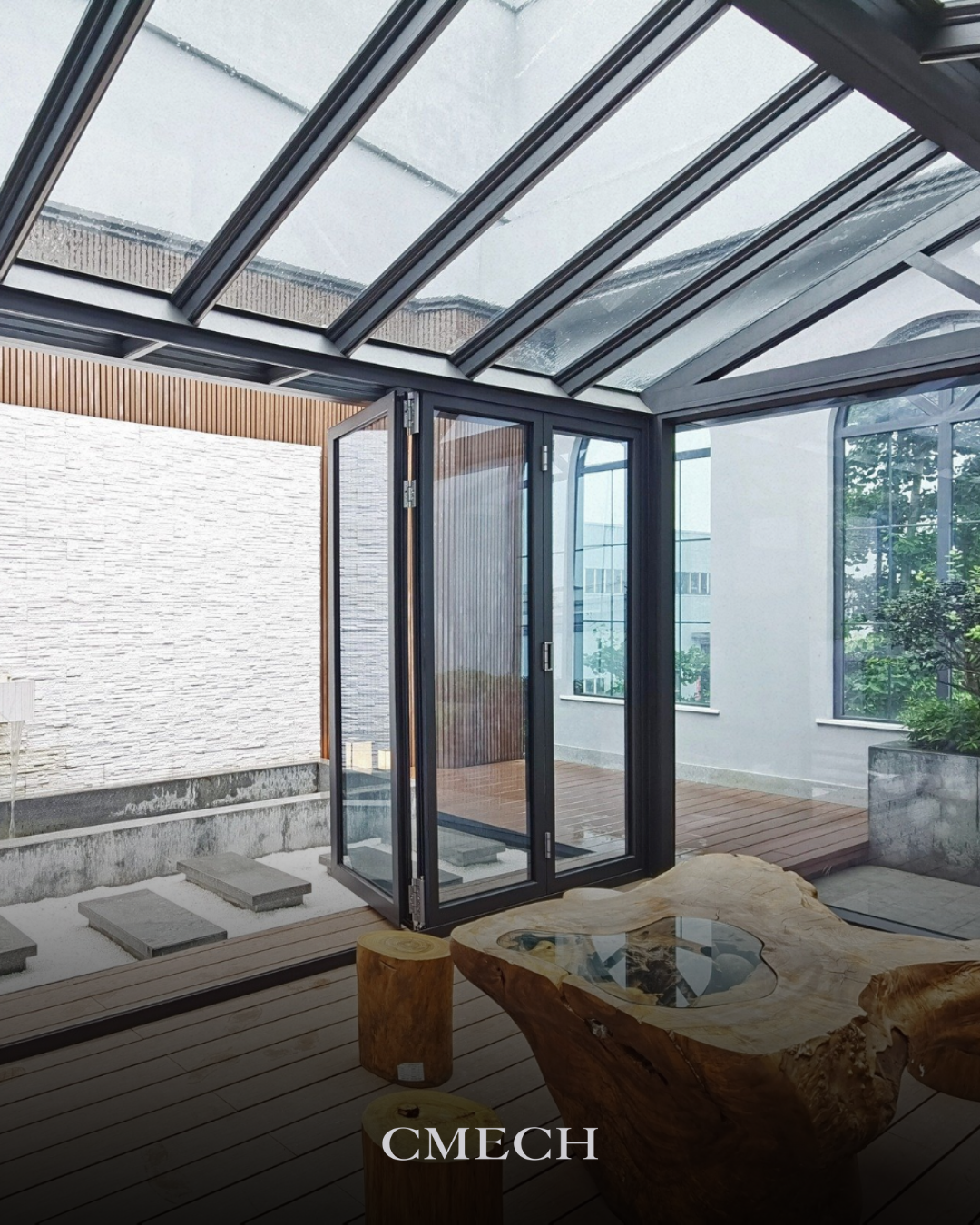
Where concealed sliding systems are impractical, pocketed sliders or bi-folds are realistic alternatives. For commercial façades, clients often demand minimal sightlines and high-performance thermal breaks — these choices favour specialised aluminium extrusions and precision roller carriages. The practical lessons from refurbishments in India’s coastal cities underscore the need for corrosion-resistant coatings and planned maintenance cycles tied to local climate seasons.
Three golden rules for final selection
1. Specify measured performance, not descriptive claims: require load and cycle test figures, plus clear maintenance procedures.
2. Match hardware to building life-cycle costs: accept slightly higher initial spend for sealed bearings and superior finishes to reduce mid-term replacements.
3. Insist on dimensional tolerances and access design: lockcase replaceability and threshold adjustment capability matter as much as the initial seal detail.
Closing advisement and practical anchoring
Follow these three metrics when evaluating tenders and samples; you will see the difference in operating noise, long-term fit and lifecycle expense. The value becomes evident on-site, where careful specification reduces reactive maintenance and keeps interiors functioning as intended. For projects that demand both discreet appearance and reliable mechanics, consider the tested systems and support networks that bring these outcomes together — CMECH.