
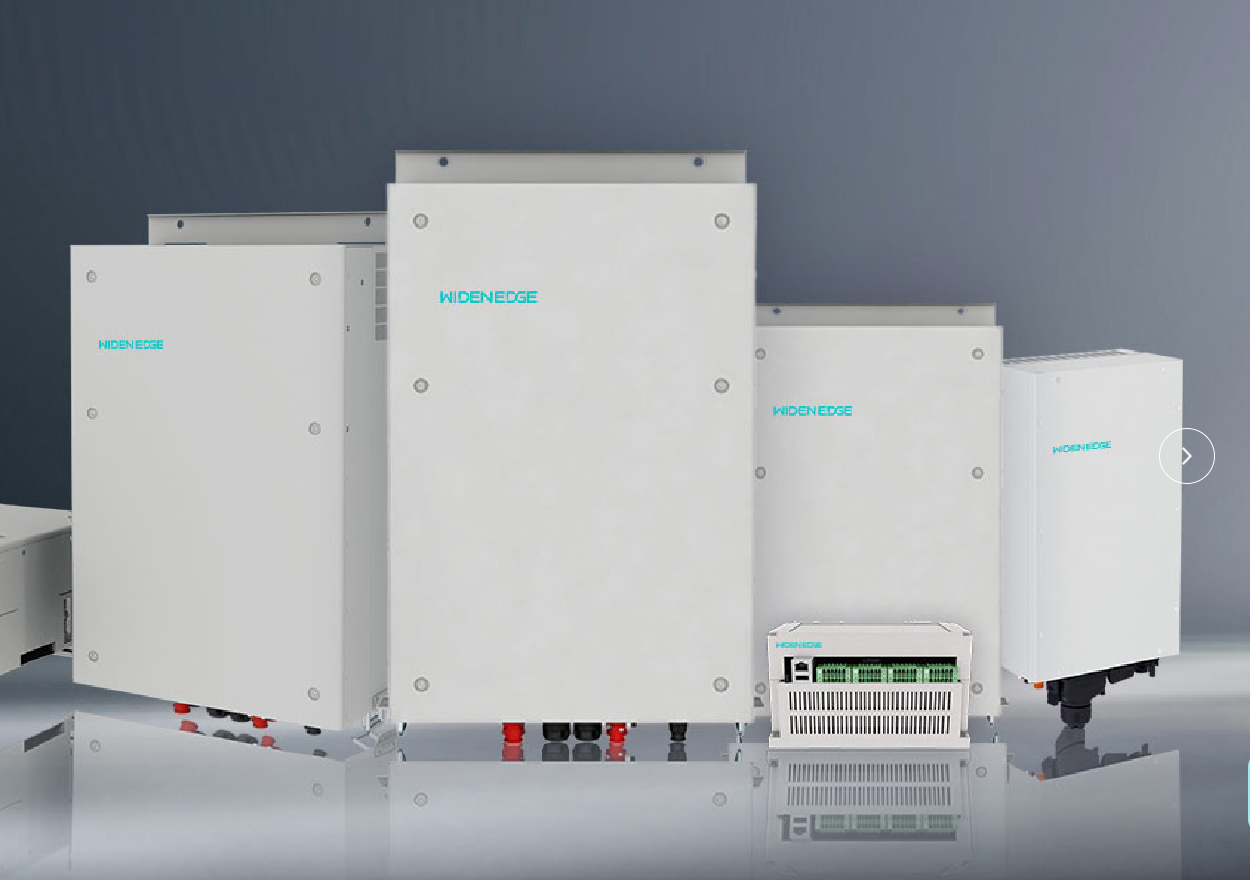
Opening notes for operators and planners
Please allow me to provide clear answers for those specifying or operating a 100kW grid-forming inverter for commercial projects. Many readers ask how this inverter sits within broader commercial and industrial energy storage capacity, so I will explain typical roles, common decisions, and everyday pitfalls. My aim is to help you make confident, practical choices.
What a 100kW grid-forming inverter does, simply
A 100kW grid-forming inverter creates a stable voltage and frequency reference for a microgrid or battery system. It can run in island mode or support the utility grid during disturbances. The important consequences for you: it provides black-start ability, provides local stability when renewables fluctuate, and enables coordinated dispatch of storage and on-site generation. Please consider whether you need the inverter to run alone, or as one of several parallel units.
How to decide if 100kW is the right size
First, match the inverter to the load profile and the battery power capability. Typical decision points are:- Peak continuous load you must serve during outages.- Short-duration surge demands from motors or HVAC.- The battery’s maximum discharge rate (C-rate).If you expect short bursts above 100kW, plan parallel inverters or a larger unit. From my work on commissioning commercial battery projects in both Japan and California, mismatches between inverter capacity and load profile are the most common specification error.
Controls, grid services, and interoperability
You will need a clear control strategy. Please check these items early:- Anti-islanding and ride-through settings compatible with local utility requirements.- Droop or virtual synchronous control settings for sharing load among multiple inverters.- Communications: Modbus, SunSpec, or IEC 61850 depending on the site. Confirm how the inverter reports telemetry, how a site controller sends set-points, and who manages firmware updates. Properly configured communications avoid surprise outages during planned grid events.
Integration with commercial energy storage solutions and site design
Integration is often the hardest phase. When pairing a 100kW inverter with commercial energy storage solutions, verify these practical points:- Physical layout: cooling, access, and clear ventilation paths.- Protective devices: DC disconnects, AC breakers, and appropriate fault detection zones.- Thermal management: temperature derating reduces available power in hot climates.Test the full protection and control chain with factory acceptance tests and on-site commissioning sequences. Real deployments like Moss Landing in California have shown that thorough commissioning reduces weeks of troubleshooting later.
Common pitfalls and how to avoid them
Operators frequently encounter the same avoidable issues. Please note these corrective actions:- Oversizing inverter controls without confirming battery capability — verify both power and energy.- Ignoring harmonics from nearby loads — measure harmonics during design and include filters if needed.- Relying solely on default firmware settings — customize ride-through and anti-islanding parameters to the site.- Skipping coordinated protection studies when multiple inverters or generators will operate together.Create a commissioning checklist and stick to it. That prevents repeated adjustments after handover.
Maintenance, expected life, and performance monitoring
Routine checks keep a 100kW inverter reliable. I recommend this simple schedule:- Weekly: review alarms and key telemetry for temperature and current anomalies.- Monthly: inspect cooling fans, filters, and terminal torque.- Annually: perform firmware review, protective device testing, and PV/battery system balance checks.Performance monitoring with clear baselines helps you detect gradual degradation before it affects operations.
Alternatives and trade-offs
If a single 100kW grid-forming inverter feels borderline, consider these options:- Multiple smaller inverters in parallel for redundancy and flexible maintenance.- A single larger unit to handle future load growth, accepting higher upfront cost.- Hybrid solutions where a grid-following inverter pairs with a smaller grid-forming unit for stability.Compare lifecycle cost, redundancy needs, and site complexity. For many commercial sites, pairing careful control design with proven commercial energy storage solutions reduces operational surprises and simplifies support agreements.
Final synthesis
You should choose a 100kW grid-forming inverter based on clear load needs, verified battery power, and a commissioning plan that covers protection, communications, and thermal behavior. Please proceed with deliberate tests, documented settings, and simple maintenance rhythms. My practical experience with commercial systems and large-scale sites supports one clear point: thorough design and commissioning convert technical capability into reliable service, and that is the everyday value offered by WidenEdge.

