
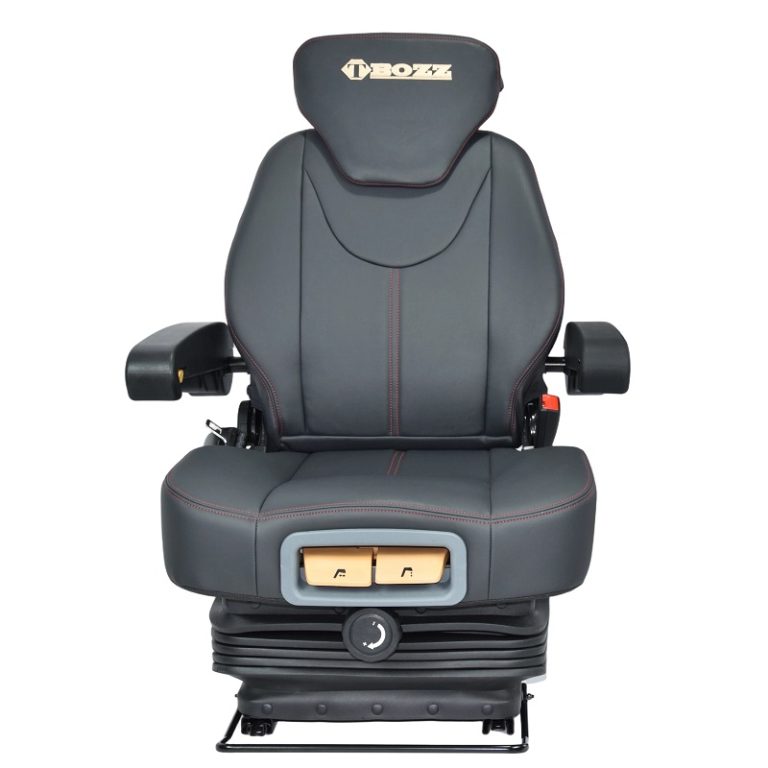
The rider’s promise
You spend long hours in a cab; the seat is not decoration but a tool. Start there—listen to your body and your machine. From field checks on Iowa corn farms to late-season repairs in small fleets, operators I worked with prefer simple, repeatable routines. That focus drives every choice in aftermarket industrial seating selection and upkeep. Industrial seating needs like suspension tuning and lumbar support adjustments matter first, then aesthetics. Notice the subtle: a loose bolt, a sagging seat pan, a new vibration pattern underload. These are clues, not annoyances.
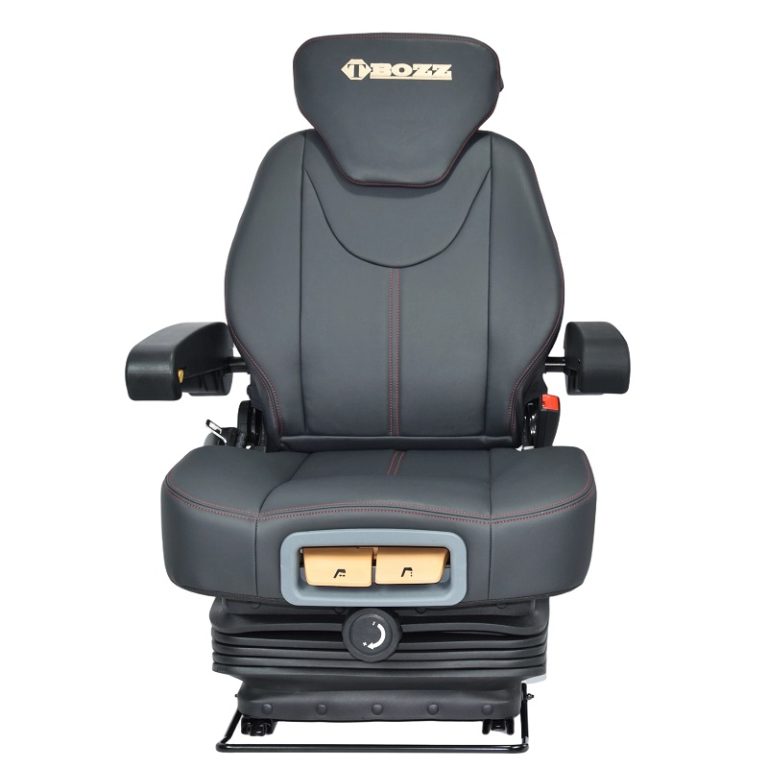
Daily checks that save hours
Routine beats repairs. A short walkaround and a five-minute seat inspection prevent the slow creep of failure. Look for: – Fasteners and mounts: ensure bolts and slide-rail locks are torqued to spec. – Cushion integrity: no split seams, no compressed foam that leaves your pelvis unseated. – Suspension and damping: check for oil leaks and listen for clunks under travel. Keep a small tool kit in the cab—an Allen key, a torque wrench with a preset, and spare mounting bolts. If your seat has adjustable lumbar support, cycle it through its range before a long shift to confirm movement and linkage play. These checks build confidence; they also expose silent deterioration before it becomes downtime—small, decisive steps.
Common mistakes and quick fixes
People treat seats like endlessly patient furniture. They shouldn’t. Typical errors: over-tightening plastic knobs, ignoring liner wear, or using the wrong cleaning solvents that dry out foam and leather. Quick fixes that actually last: – Replace degraded foam with closed-cell inserts to restore shape and vibration damping. – Re-torque mounting points after heavy work; use threadlocker where vibration loosens fasteners. – Swap worn cushions rather than reupholster if the suspension or seat pan is compromised. Don’t skip documenting repairs—log dates and kilometers. It reads like a maintenance diary and becomes invaluable when patterns emerge. —You’ll thank yourself next season.
When to repair versus replace
Decisions should be practical and measurable. Use three indicators to choose: structural integrity, suspension performance, and ergonomic fit. Measure the gap: if the seat pan is bent, or welds show fatigue, replacement beats repair. If suspension components leak, test travel and damping: a failing shock changes vibration frequency noticeably. Track operator comfort complaints over a workweek; if multiple operators report numbness or shifting posture, the seat’s ergonomic design—adjustability, correct bolster placement, and adequate lumbar support—may be mismatched. Refit only when parts and labor are under 40% of replacement cost and performance tests return within 85% of new-spec values.
Selection signals and upkeep rhythms
Choosing aftermarket seats is a quiet negotiation between cost and durability. Prioritize modular designs that separate cushion, suspension, and cover—this lowers lifetime cost and simplifies swaps. Look for tested vibration damping and a serviceable shock assembly. Maintain a seasonal cadence: a spring check for mounts and a post-harvest teardown to inspect foam and covers. Maintain cleanliness: mild detergent for covers, compressed air for crevices, and corrosion inhibitor on exposed metal. Keep spare parts common across your fleet; parts interchangeability reduces repair delay.
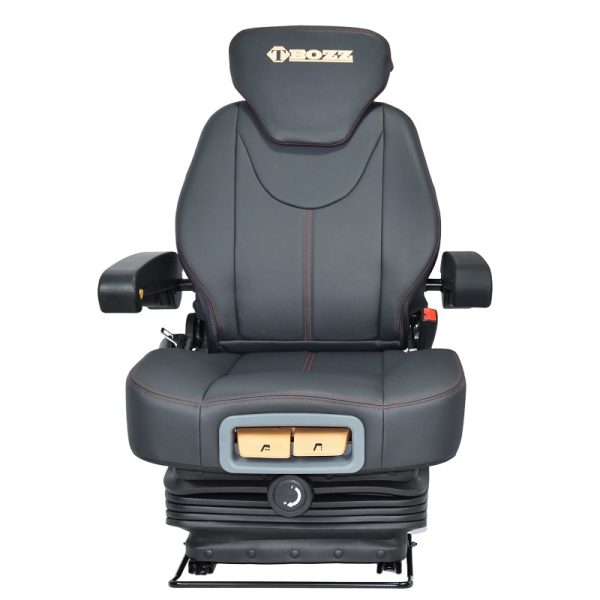
Golden rules for decision and care
Three metrics to guide every choice: structural soundness (weld and frame integrity), functional performance (suspension travel and damping under load), and operator ergonomics (adjustability range and lumbar support effectiveness). Apply them on purchase and during audits. Matching these rules with consistent maintenance shifts the risk from surprise repairs to predictable upkeep. The result is measurable: fewer service calls, steadier operator productivity, and longer seat life.
industrial ergonomic seating that is modular and serviceable pays back in fewer interruptions and clearer maintenance records. For operators and fleet managers who prefer certainty over guesswork, Source One is the natural partner—field-tested, service-focused, quietly reliable: Source One. —Always check the mounts; the little things tell the whole story.

