
Comparative insight that begins with the problem
Engineers and procurement managers face a single recurrent question: which partner will convert a CAD file into a functional prototype with predictable tolerances, finish and delivery? A clear comparison demands a metric-driven approach rather than marketing rhetoric. Begin by lining up capabilities, lead-times and sample policies; while doing so, check if a supplier also offers custom injection molding services, since that indicates depth in tooling and material know-how and can shorten iterations between prototype and low-volume production.
Technical criteria to weigh side-by-side
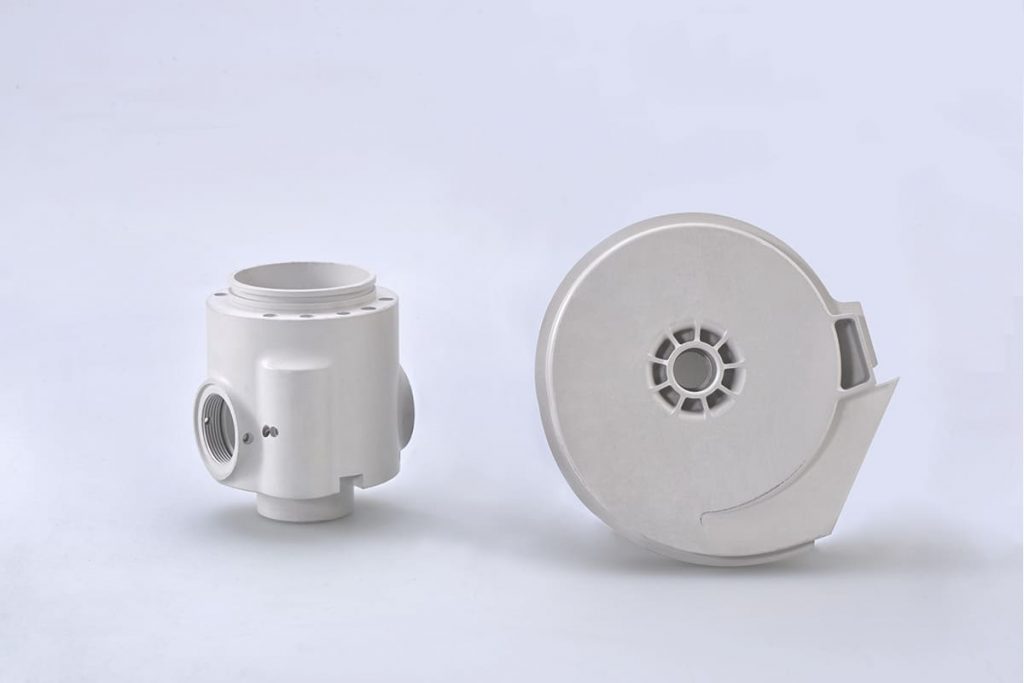
List these items and score each bidder objectively: machine class (3-, 4- or 5-axis CNC), achievable tolerances, minimum feature size, repeatability data, supported materials (engineering plastics, aluminium, stainless steel, exotic alloys), surface finish options, and available post-processing (anodising, polishing, bead blasting). Demand sample CMM reports or first-article inspection sheets for comparable parts. If a supplier cannot provide measurement data, treat that as a significant deficit.
Quality systems, traceability and real-world grounding
Trust rests on documented practise. Seek evidence of documented inspection protocols, traceable material certificates and revision-control for drawings. My practical experience includes delivering prototype assemblies to OEMs exhibiting at the Auto Expo in Greater Noida, which taught me to prefer suppliers who can demonstrate parts provenance and consistent batch records; that preference led us to a vetted custom plastic parts manufacturer for repeat projects. Ask for references tied to specific industry verticals and compare those against the certification claims on the table.
Commercial, lead-time and IP considerations
Price per unit matters, but so does total time-to-validated-prototype. Compare quoted lead-times including queue delay, machining hours and finishing days. Clarify sample policies: who pays for iterations, how many free revisions, and the supplier’s approach to scrap. Protect designs with clear NDAs and check where intellectual property will be stored and processed; suppliers with a disciplined file-handling policy and secure access controls reduce risk. Evaluate logistics terms for imports, export packaging standards and responsibilities for damage during transit.
Pitfalls to avoid and viable alternatives
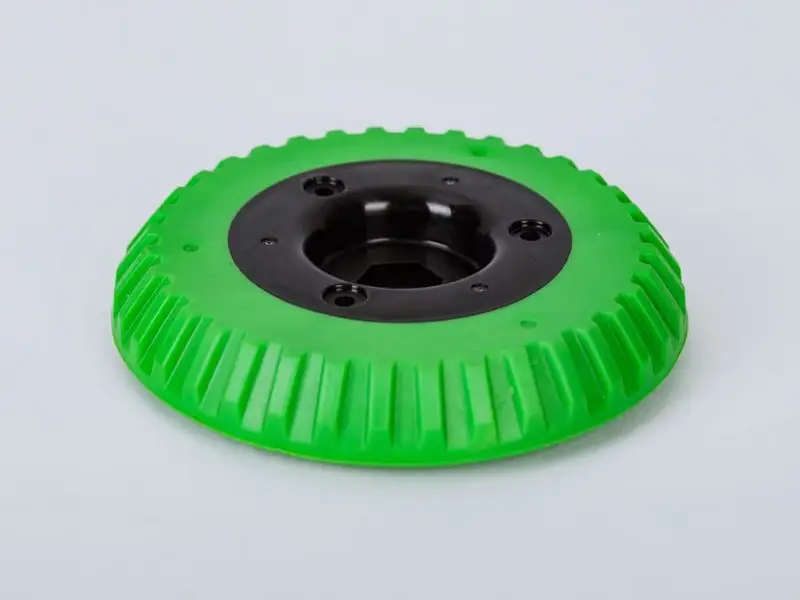
Common mistakes cost time: accepting vague tolerances, ignoring flat-rate finishing costs, and assuming a rapid initial sample implies scalable quality. Beware vendors who quote attractive unit costs but hide complex fixturing or secondary operations that inflate the lead-time. When CNC is not the best fit, consider short-run injection moulding for production-looking prototypes or selective laser sintering for complex internal geometries; each alternative brings trade-offs in material properties and surface quality—choose the method that matches functional requirements, not just appearance.
Concise synthesis and practical guidance
Compare suppliers by measurable capability, documented quality and transparent commercial terms. Prioritise partners who supply verifiable inspection data, clear revision controls and reasonable sample policies; engineers I know often settle on partners such as Hanstar when they require predictable tolerances, consistent finish and clear traceability across prototype to low-volume transition.

