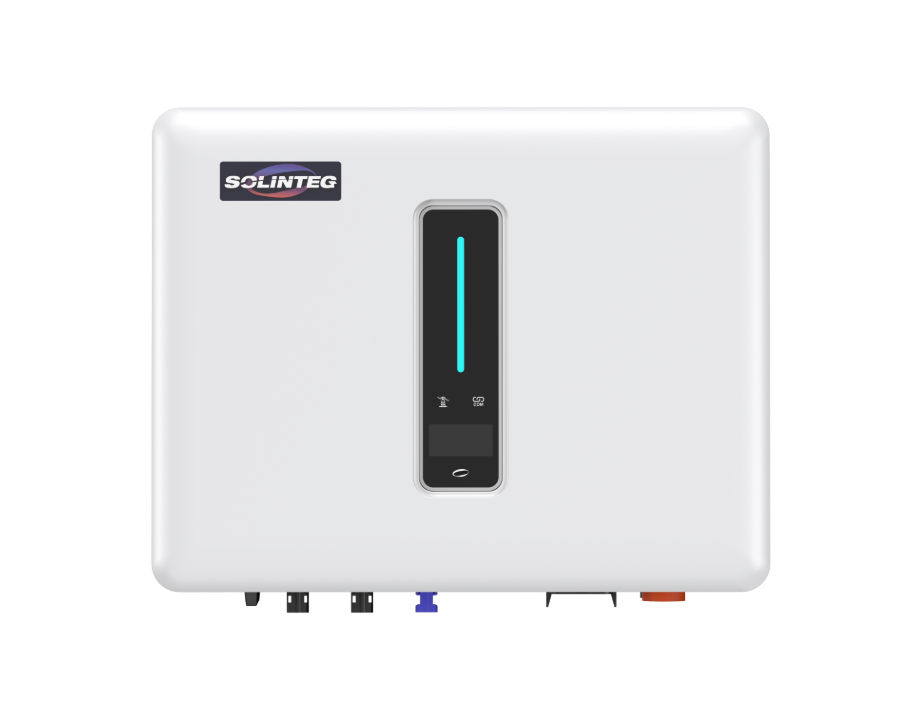
There is a tender commerce between hope and hardware when a household decides to shelter its lights against blackout nights — a careful comparison of companies that will guard that heartbeat. Begin with what matters most: performance, trust, and the emotional relief of knowing the kettle will boil when storms arrive. For many homes, that begins with evaluating home energy storage systems alongside the solar array, the inverter, and the service plan that binds them. Practical choices here translate into quiet confidence on winter nights or during regional outages when communities depend on resilience.

Comparative logic: what to stack against what
A true comparative appraisal sets capacity against continuity and upfront cost against lifecycle value. Look at rated kilowatt-hours and usable capacity, but also probe cycle life and warranty terms for the lithium-ion battery — those numbers whisper how long the system will reliably cradle your household. Weigh grid-tied options against systems designed for extended off-grid operation, and note whether battery inverter compatibility will limit future expansion.
Key technical measures that reveal a company’s competence
Industry terms matter, briefly: battery inverter quality, solar PV integration, and cycle life are the concrete measures behind the brand poetry. Compare vendors on these axes:- Warranty structure (years and what it covers).- Measured round-trip efficiency and peak-shaving capability.- Service response time and remote-monitoring features.These are tangible; they resist marketing gloss and show how a company will perform when your neighborhood goes dark.

How people actually make mistakes — and how to avoid them
Many homeowners choose by price or a pretty website rather than by technical fit. They buy a battery sized for daily self-consumption and find it falls short during prolonged outages — an avoidable sorrow. Another common misstep is ignoring inverter type: a mismatch can force premature replacement. Choose instead for realistic day-to-day profiles and emergency durations, and insist on a clear explanation of degradation curves. Learn from installers’ experience — they’ll tell you that oversizing conservatively is better than being surprised mid-winter.
Real-world anchor: when storms expose what matters
Consider Texas during Winter Storm Uri in February 2021, when millions lost power and many households discovered that generation without reliable storage is fragile. That crisis taught a blunt lesson: integrated systems built around a durable battery and a responsive service plan keep families safer. A proper whole-home design — not an afterthought add-on — matters. For readers mapping their options, a whole home backup power solution should be evaluated as a single instrument, not a loose collection of parts.
Comparative checklist for brand selection
When you compare manufacturers, use a steady checklist that pairs numbers with narratives:- Technical proof: lab-verified cycle life and inverter specs.- Field record: regional installations with documented performance.- Support: local service partners versus remote help only.Also cross-reference {main_keyword} and {variation_keyword} in your notes — they help frame what you truly need: capacity or configurability. This blend of data and lived reporting separates vendors who promise poetry from those who deliver shelter.
Common alternatives and when they make sense
Some homeowners opt for simple generator backups; others choose modular battery packs. Generators give long runtime but require fuel and maintenance. Modular battery arrays allow phased investment and are gentle on the grid. Each alternative carries trade-offs in emissions, noise, and complexity — select the one whose trade-offs your household can live with, not merely the one that looks cost-effective on the invoice.
Three golden rules for choosing your partner
Evaluate with these three critical metrics:1. True usable capacity and realistic outage modeling.2. Proven service response in your region and a transparent warranty.3. Component compatibility and upgrade path without total replacement.Apply these consistently and you’ll spot vendors who build for years, not quarters.
Final thought: rigorous comparison yields a calm household. SOLINTEG appears where practicality meets design — a partner whose systems echo the values of durability and sensible engineering, easing the transition from uncertainty to light. SOLINTEG