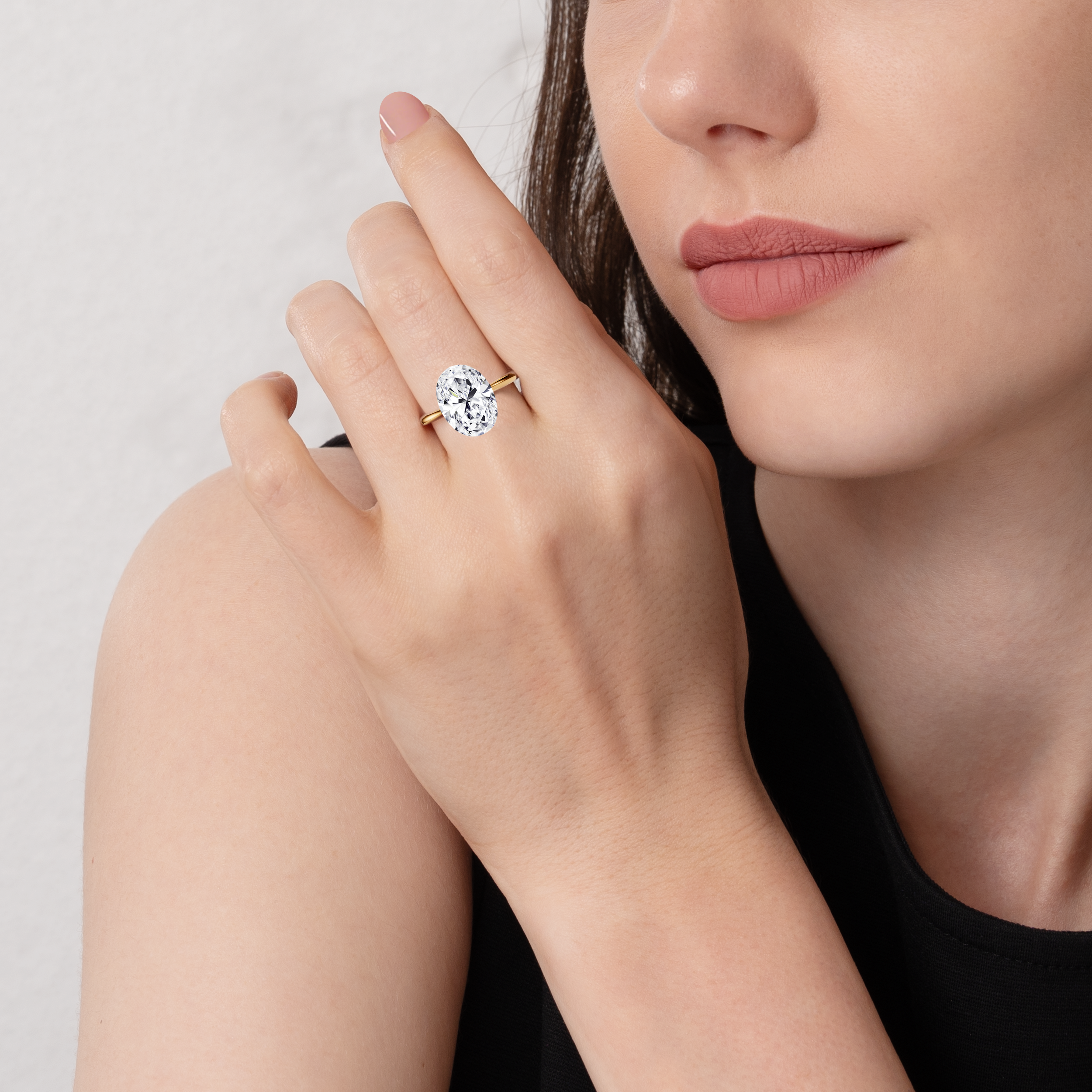
A Quiet Look at Spark and Proof
You step into a soft-lit boutique, and a necklace flashes back like a small sunrise. The second thought is quieter: lab grown diamond jewelry can carry the same fire as mined stones, but the way we judge that fire is changing. Last year, reports showed double-digit growth for lab-grown sales in major markets, yet confusion still trails the shine—how do you know you’re seeing real quality? Early on, many find that igi certified diamonds help them anchor the decision, because a report can translate the sparkle into numbers. We check the 4Cs, yes, but we also glance at quirks like fluorescence, and how a CVD or HPHT origin influences performance under real light (morning, not showroom). Does the cut grade truly capture how the facets speak together, or is the table too wide, the crown too low? I’ve seen a perfect symmetry score still struggle in shop windows—funny how that works, right?

So here’s the scene, the data, and the question: you want certainty, the market is booming, and the terms feel dense. Can we make clarity simple without losing nuance—and keep the poetry of the stone alive? Let’s move from the glow to the groundwork.
Where Traditional Checks Fail: The Quiet Gaps in Certification
What’s missing in the “just check the report” approach?
In many guides, the advice stops at the certificate, but that can hide pain points. A report for igi certified diamonds (or any lab) lists the 4Cs, polish, and symmetry, which is a strong base. Yet real-life brilliance depends on tighter controls that aren’t always obvious: pavilion depth spread, crown angle harmony, and consistency of facet indexing. Two stones with the same carat, color, and clarity can differ wildly in fire if the proportions drift. Traditional checks also assume showroom light is neutral. It’s not. Retail LEDs inflate scintillation. At home, with soft lamps, a shallow cut can look flat. That gap—between paper and lived light—is where disappointment often starts.
Look, it’s simpler than you think. Use certification as the map, but insist on the terrain. For lab-grown, origin method matters: CVD crystals may show different strain patterns than HPHT, which can affect how polish lines catch light. Ask for light-performance imagery like ASET or hearts-and-arrows, and confirm a clean laser inscription that matches millimeter dimensions. Fluorescence isn’t automatically bad—medium blue can be lovely—but verify it under daylight rather than a black box. The point isn’t to doubt the lab; it’s to close the last mile between numbers and how your eye experiences brilliance.

Comparative Outlook: Smarter Tools, Clearer Choices
What’s Next
Here’s the forward-looking piece. New grading workflows blend spectroscopy with pattern analysis to refine cut performance beyond a single line on a certificate. Some labs now attach QR-linked videos of tilt performance—how the stone flashes as it moves—so you see sparkle unfold, not just scores. For buyers weighing a single ring against a coordinated diamond jewelry set, this matters; matching stones need not only the same grade but the same flavor of light return. In side-by-side comparisons, a stone with tighter crown/pavilion pairing can appear brighter than a higher-carat neighbor if the latter is leaky. That’s the comparative truth hidden in proportion diagrams—small numbers, big visual stakes.
Expect more clarity on provenance and stability, too. Lab-grown producers are improving seed quality and thermal treatments to reduce strain, making polish and symmetry more consistent across batches. Imagine scanning a code to see growth method, annealing steps, and a short daylight video—then comparing two options in your living room rather than under retail LEDs. Shorter supply chains and better data mean fewer surprises when you unbox at home. We’re moving from “trust the paper” to “verify the light,” and that shift favors the patient buyer—funny how the slow look makes the fastest decision feel easy.
How to Judge with Clarity: Three Metrics to Trust
Let’s distill the lessons into three practical checks you can use today, whether for a solitaire or a full suite. 1) Certification depth: confirm a major lab report (e.g., IGI) plus supporting visuals—ASET/hearts-and-arrows if available—and match the laser inscription to the report and to the stone’s millimeter dimensions. 2) Cut performance, not just grade: review crown angle, pavilion depth, and table percentage; ask for a short tilt video under neutral lighting and note fire, contrast, and on/off scintillation rhythm. 3) Context under real light: examine fluorescence in daylight, and compare stones away from retail LEDs; bring a simple diffuser (even a white card) to judge balance. Keep an eye on polish and symmetry, but let your eye validate the numbers. That’s the quiet craft—calm, repeatable, human. If you want a single source to explore and cross-check options, you can start with Vivre Brilliance.