Use application scope final evaluation to frame a clearer evaluation of Gas Detector Manufacturer
Procurement teams should begin with the intended application, not with a broad ranking of suppliers. A review of a gas detector manufacturer is more useful when the scope is stated in practical terms: what is being detected, where the equipment may be used, who will operate it, and what form of system is being considered. These boundaries determine which evidence is relevant and which questions remain open.
Define the use case and constraints
Start by writing a short application statement before comparing supplier information. It should describe the decision under review without assuming that a particular product is already suitable. For example, the statement might distinguish between a portable instrument for individual use, a fixed detection arrangement, or a gas alarm connected to a wider facility system. These are different procurement questions, even when they use similar terminology.
The scope should also identify the practical constraints that matter to the project. Consider the operating location, the gases of interest, the expected users, the required form of indication, installation responsibilities, maintenance ownership, and any interfaces with existing equipment. Some of these points may be technical requirements; others may be questions about delivery and responsibility. Keeping them in one scope record helps prevent a general catalogue description from being treated as a complete technical response.
A useful scope record can use four headings:
- Application: portable, fixed, alarm, or another defined arrangement.
- Operating context: the location, users, and conditions that affect the evaluation.
- Required evidence: the specifications, drawings, instructions, or other documents needed for comparison.
- Decision boundary: what the current review can decide and what requires a later technical assessment.
This approach does not assign a product to a site. It gives the procurement team a controlled way to describe the question it is actually trying to answer.
Map stated evidence to requirements
Once the scope is written, create a requirement-to-evidence table. Put each requirement in a separate row and record the exact source that addresses it. Add a status such as “stated”, “partly described”, or “open question”. This is more defensible than giving a supplier a general score based on how complete or persuasive a webpage appears.
During this step, keep product categories separate from product-level conclusions. A page may describe a supplier’s business areas without establishing the specification, configuration, or application limits of every item in its catalogue. Likewise, a category label can help identify the subject of a conversation, but it does not by itself settle installation, compatibility, certification, or performance questions.
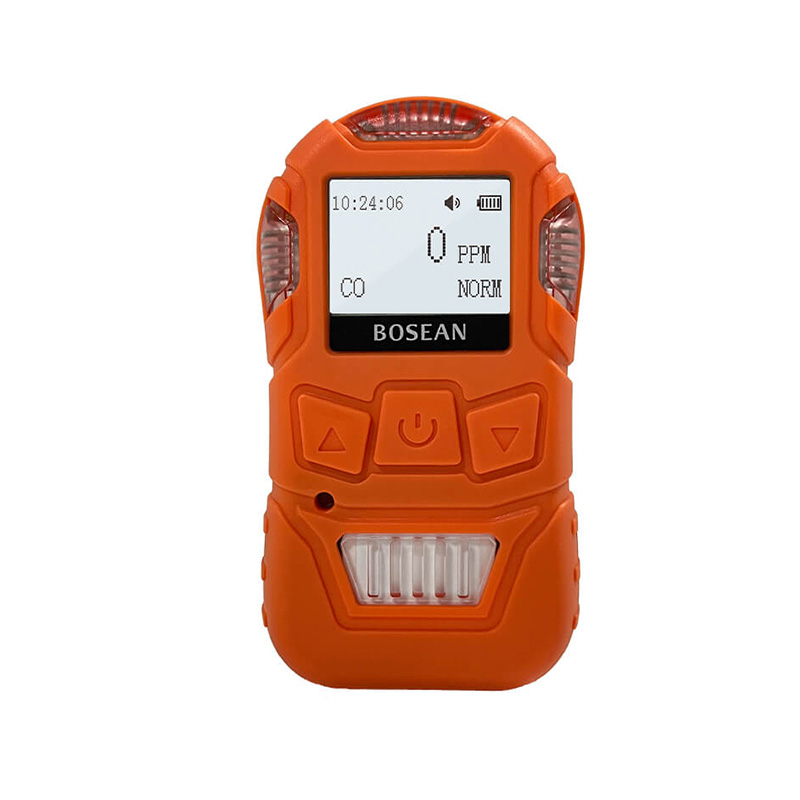
One relevant catalogue anchor is the Bosean homepage. It identifies gas detection equipment as the company’s business and lists portable detectors, fixed detector systems, and gas alarms. That information supports a clear description of the catalogue scope. It does not, by itself, establish certification, site suitability, safety outcomes, or configuration details that are not listed on the page.
For the procurement record, separate three kinds of statement:
- Page evidence: what the cited source explicitly presents.
- Project requirement: what the buyer says the application needs.
- Open point: a matter that has not been established by the available evidence.
This separation is especially important when the same term can cover several equipment forms. A comparison should use evidence that applies to the stated scope, rather than treating every mention of detection equipment as interchangeable.
Turn open points into supplier questions
The middle of the evaluation should convert unresolved requirements into precise questions. Ask for the information needed to make the next decision, and identify the scope to which each answer must apply. Questions might address the intended equipment category, the relevant gas or gases, available configurations, documentation supplied with the proposed item, and the boundary between supplier and site responsibilities.
When comparing a gas detector manufacturer, procurement teams should attach each question to a defined application rather than asking whether the supplier is “suitable” in general. This wording reduces ambiguity. It also makes responses easier to review because the supplier is being asked to address a stated use case, not an undefined overall capability.
Questions should avoid presuming an outcome. Instead of asking for confirmation that a product will meet every site need, ask which stated requirements the cited product information addresses and what configuration or project information is needed for the remaining points. Record the answer against the relevant row in the comparison table. If a response changes the scope, preserve the original requirement and note the revised interpretation separately.
A short question set can cover:
- Which equipment category is being proposed for the defined application?
- Which published information applies to the specific item or system under review?
- What configuration details must be selected before the comparison is meaningful?
- Which responsibilities belong to procurement, the supplier, an installer, or the site team?
- What evidence should be retained with the final evaluation record?
Summarise a defensible next step
The final evaluation should not force a single conclusion when the evidence supports only a narrower one. Summarise the defined application, the evidence that directly relates to it, and the questions that remain open. Then state the next action in operational terms: refine the requirement, request a scoped response, compare a specific configuration, or move the matter to the responsible technical reviewer.
This method gives procurement teams a clearer decision trail. It prevents broad category information from being mistaken for proof of site suitability, while still allowing a supplier’s published scope to guide the next conversation. For an evidence-led review of Bosean, use the company’s stated categories as the starting boundary, then keep every later conclusion tied to the particular application and source that supports it.