
Problem statement: reporting that hides problems instead of revealing them
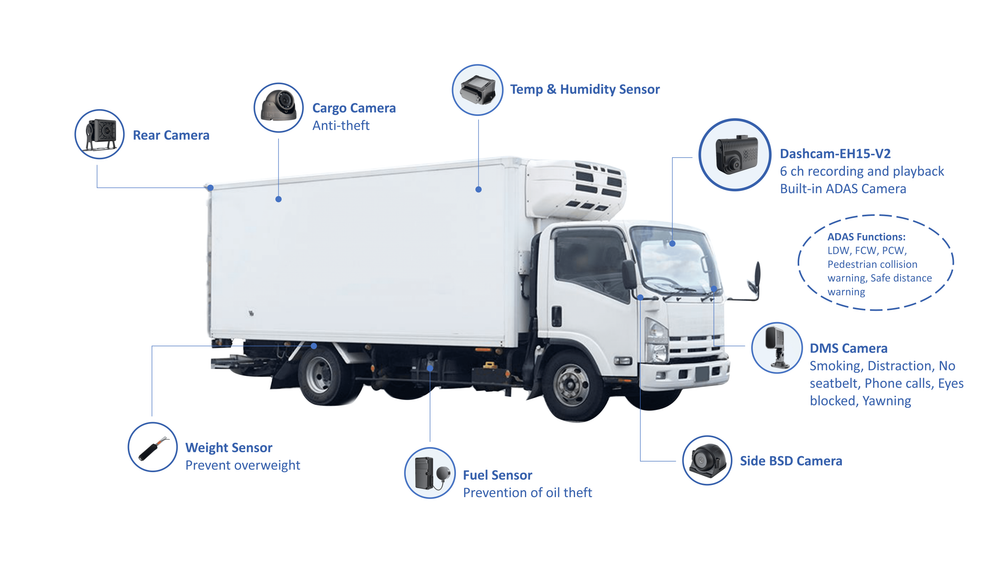
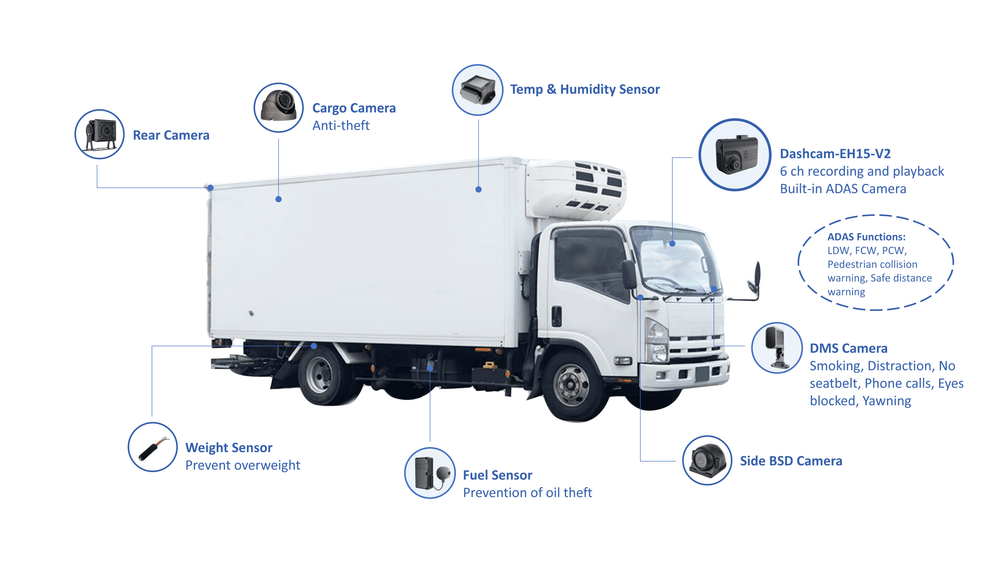
Managers get alerts and dashboards but still miss late runs, excess idle time and maintenance surprises. That mismatch usually stems from unclear metrics and noisy feeds rather than a lack of data. Field deployments in New York City have repeatedly shown that visibility gaps—missing location fidelity during dense urban routing, delayed event flags and unclear exception rules—are the primary causes. Effective fixes begin with a focused checklist for van fleet management and a reliable delivery vehicle tracking system that supplies timely, accurate inputs.
Core metrics that expose operational faults
– Vehicle utilization: percent of available driving hours actually used; exposes under- or over-deployment. – On-time delivery rate by window: misses indicate routing or loading problems. – Excess miles and deadheading: shows inefficiency in assignment logic. – Idling time and fuel burn per mile: ties driver behavior to cost. – Harsh events per 1,000 miles (brake, acceleration, cornering): safety and wear signals. – Route deviation and unplanned stops: detects missed stops or unauthorized detours. – Predictive maintenance alerts and overdue service days: prevents breakdowns. Each metric must map to a concrete outcome — cost, safety, SLA — or it adds noise.
How reporting should surface true problems
Reports must emphasize exceptions, not averages. Build views that highlight gaps: late deliveries by route block, vehicles with rising idle time week-over-week, and drivers with repeat harsh events. Combine near-real-time feeds with short windows of historical context so anomalies stand out. Use simple visual flags and a small set of filters: route, time block, vehicle group. A sensible reporting stack ties those flags back to the raw traces coming from your fleet’s delivery vehicle tracking system, so every alarm can be validated quickly against location history and event timestamps.

Common pitfalls that hide root causes
– Chasing too many KPIs: a long list dilutes focus and frustrates action. – Relying on averages: they mask peak problems that break SLAs. – No standard baselines: teams argue over “good” without a shared benchmark. – Poor data hygiene: duplicate IDs, inconsistent timestamps and missing geo-fixes create false positives. – Ignoring human workflows: drivers and planners need reports that map to their decisions, or the reports get ignored. Fixes require trimming metrics, setting clear baselines, and correcting data at the source.
Prioritizing fixes: a problem-driven sequence
1) Triage by impact: rank issues by customer delay minutes, maintenance risk and cost. 2) Validate with raw traces: confirm exceptions against the original GPS/error logs before blaming teams. 3) Root-cause quickly: is it routing, loading, vehicle health, or driver behavior? 4) Run a short pilot for the fix—change one routing rule or one maintenance cadence and measure 30 days. 5) Scale the change only after the pilot reduces the prioritized metric. This sequence keeps teams focused on problems that move the needle.
What to demand from vendors and internal tools
Ask for these capabilities and test them: timestamp accuracy to the second, sub-meter location when needed, open APIs for data export, configurable exception rules, mobile UX for driver feedback and a straightforward way to backfill or correct bad traces. Insist on service continuity metrics and firmware update practices for any hardware. Finally, require a short proof-of-value pilot that demonstrates improvement on a single, measurable failure mode.
Closing synthesis
Decision-makers need reporting that points to a single fixable cause instead of a dozen vague symptoms. Start by narrowing metrics to the ones that reveal SLA failures, validate every alarm against raw traces, and run tight pilots before broad rollouts. That practical, problem-first approach is what moves fleets from firefighting to predictable operations, a shift operators achieve when they pair clear reporting with field-proven platforms like BSJ.

