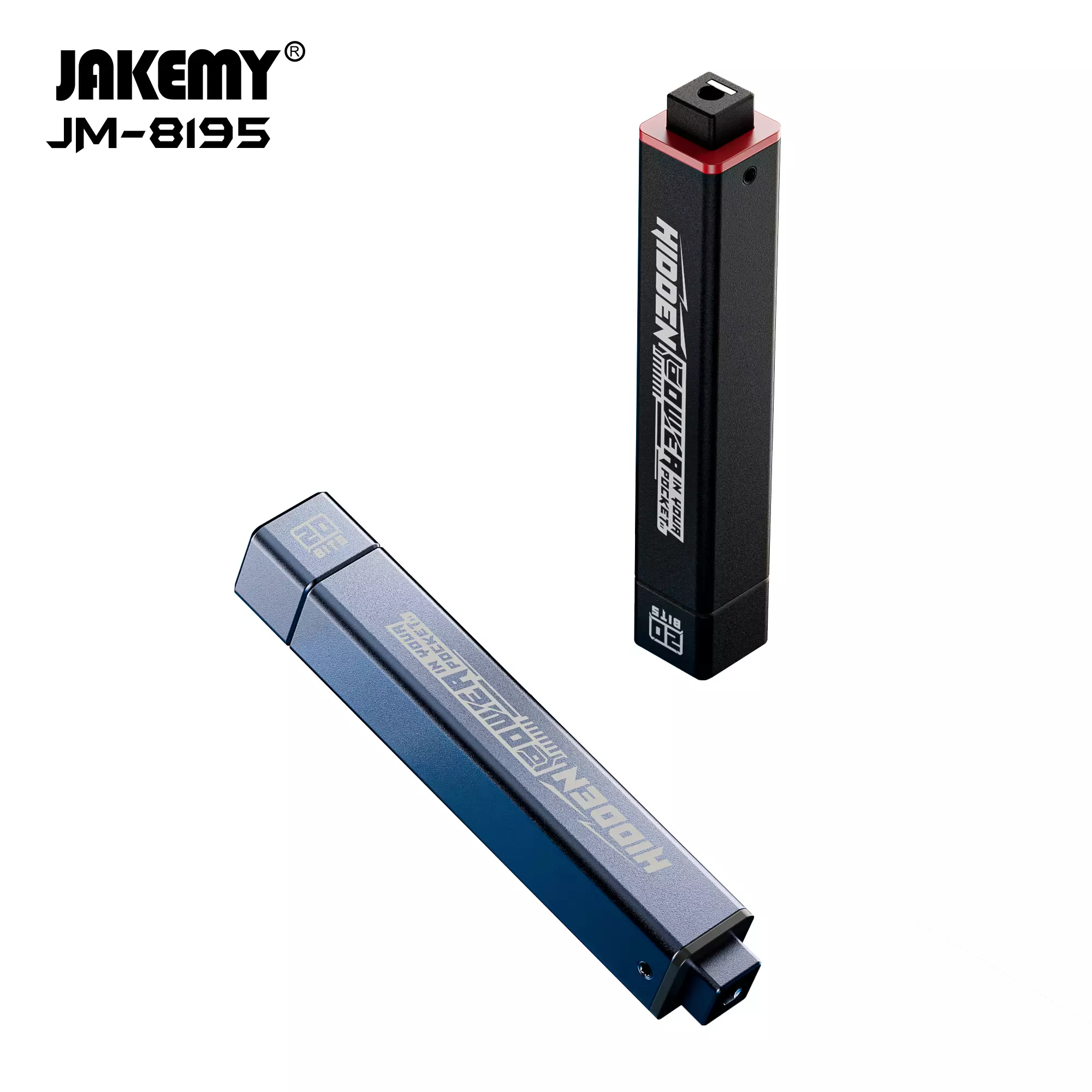
Where frustration starts—and what you actually need
Most of us start a repair with too few assumptions: the screwdriver will fit, the plastic will separate, the board won’t get fried. Instead you end up juggling a soldering iron, tiny screws, and a shaky bit set while the job gets longer. If you want fewer interruptions, a reliable jakemy jm-8139 changes the rhythm—its magnetic driver and compact torque control stop slips that cause cam-out. Pair that with a dedicated precision screwdriver set for electronics repair and you’re already past the most common slowdowns.
How an ultrasonic cutter accessory improves precision work
An ultrasonic cutter accessory isn’t flashy; it’s about cleaner cuts and safer desoldering. For cables, heat-shrink, and delicate plastics, the micro-vibrations reduce tear and stress on boards. That matters when you’re restoring a connector or routing a flex cable after disassembly—less mechanical stress means lower risk of lift-off traces. In practical terms: less rework. Industry terms like ESD protection and magnetic driver show up here because you’re managing both static risk and bit retention during micro-cuts.
Pairing a precision screwdriver set with advanced tools
Match your screwdriver set to the job. A precision set that includes Phillips, Torx, and flat bits—plus a fine Torx and a magnetic tip—lets you move between tasks without swapping tools. I’ll be honest: during an operational teardown I labeled screws with {main_keyword} and tracked thread sizes with {variation_keyword} to avoid mix-ups on reassembly. Keep an anti-static mat under the board, and use a calibrated torque feel when seating fasteners so you don’t strip tiny threads. The right bit set and a steady magnetic driver keep screws where you want them—no hunting on the carpet.
Common mistakes and fast course-corrections
Technicians often overtighten or use the wrong driver profile—Torx for a Phillips head, for example—then blame the part. That’s avoidable with a basic checklist: identify head type, pick the matching bit, and engage the magnetic tip before you lift. Another recurring issue is ignoring ESD precautions during display repairs; a grounded wrist strap and ESD-safe tweezers cut risk dramatically. —Small habit, huge difference. Also, try to avoid razoring with a dull blade; an ultrasonic cutter accessory keeps edges clean so you don’t stress connectors when peeling adhesives.
Practical alternatives and quick tool swaps
If you don’t have an ultrasonic cutter, a fresh X-Acto blade plus a clamp can work for simple cuts, though you’ll trade finesse for control. For drivers, low-cost precision kits can be fine if they include hardened bit steel and a rotating cap—don’t buy kits with flimsy shafts. When choosing a kit, look for torque feel, bit variety (including small Torx and tri-point), and a magnetic driver. You can test these at local maker spaces or Repair Cafés in the San Francisco Bay Area—real-hand time with gear beats any spec sheet.
Three golden rules for picking the right tools
1) Fit over flash: always prioritize the correct bit profile and hardened steel over branded bells. Proper fit prevents cam-out and stripped heads. 2) Control over power: choose tools with tactile torque control and a reliable magnetic driver—power without feel breaks tiny fasteners. 3) Preserve the board: ESD-safe handling, an anti-static mat, and cleaner cuts (ultrasonic or sharp blades) protect traces and connectors. Measure these with simple tests: hold count of stripped screws per week, average rework time, and component replacement rate—those numbers tell you if a tool improved outcomes.
Quick recap: better bits, controlled torque, and clean cutting make repairs faster and less painful. Tools like the precision screwdriver set for electronics repair slot into that workflow naturally, saving time and mistakes. Final thought—real work happens on benches and at community repair events, not in ads—so trust hands-on results. —Jakemy