Comparative premise and contextual anchor
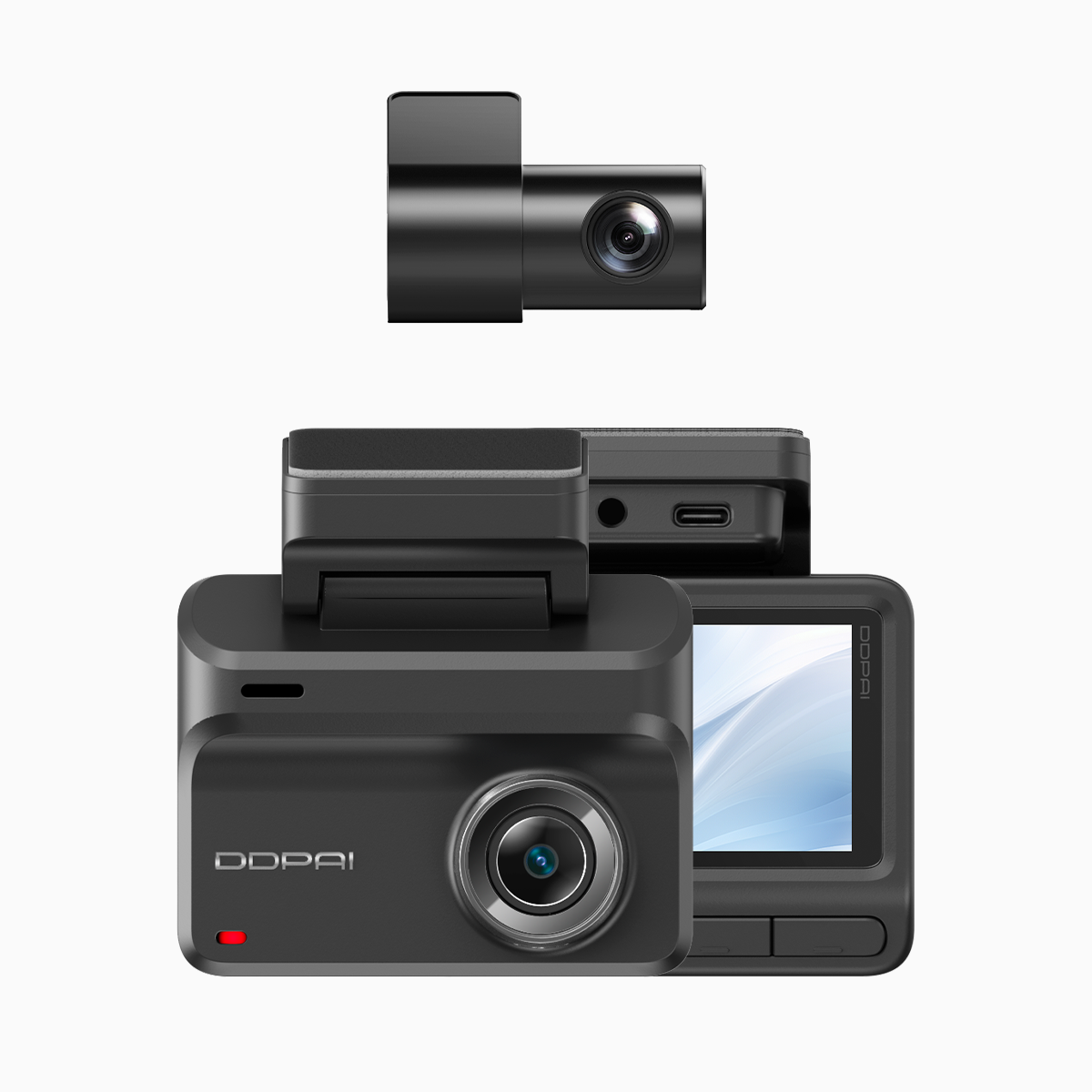
In the Philippines, where daytime temperatures in Manila and surrounding regions commonly climb above 34–36°C during the hot months, the choice of power store for an in-car camera is no mere technicality. This comparative account examines supercapacitor versus lithium battery solutions in dash cams, and how DDPAI’s reengineering of a wifi dash cam addresses climatic realities and real-world use. The argument proceeds from practical failure modes to performance metrics, then to product implications for drivers and fleets.
Technical contrast: supercapacitor and lithium battery
Lithium batteries offer high energy density and long recording runtimes; they furnish sustained power for prolonged parking mode and dependably support features such as loop recording and GPS logging. Yet beneath the veneer of capacity lies a vulnerability: heat accelerates degradation, swells cells, and may precipitate thermal cutoff in cramped dashboards. Supercapacitors, by contrast, deliver rapid charge–discharge cycles, superior tolerance to elevated ambient temperatures, and a longer calendar life when exposed to persistent heat. They are less energetic per gram, but their chemistry endures the tropic’s strain with commendable resilience.
Operational effects on dash cam features
The choice between these two power stores alters operational behaviour. A lithium-battery-equipped unit will sustain extended parking surveillance and can feed timed 4G uploads; nevertheless, it may suffer premature capacity loss after repeated heat exposure. A supercapacitor-based device will boot reliably after short power interruptions, resist swelling under high cabin heat, and preserve vital functions such as 4G connectivity and GPS time-stamping during abrupt power loss. For continuous recording demands, designers must offset lower energy density with efficient power management and event-triggered recording.
DDPAI’s applied engineering for tropical deployment
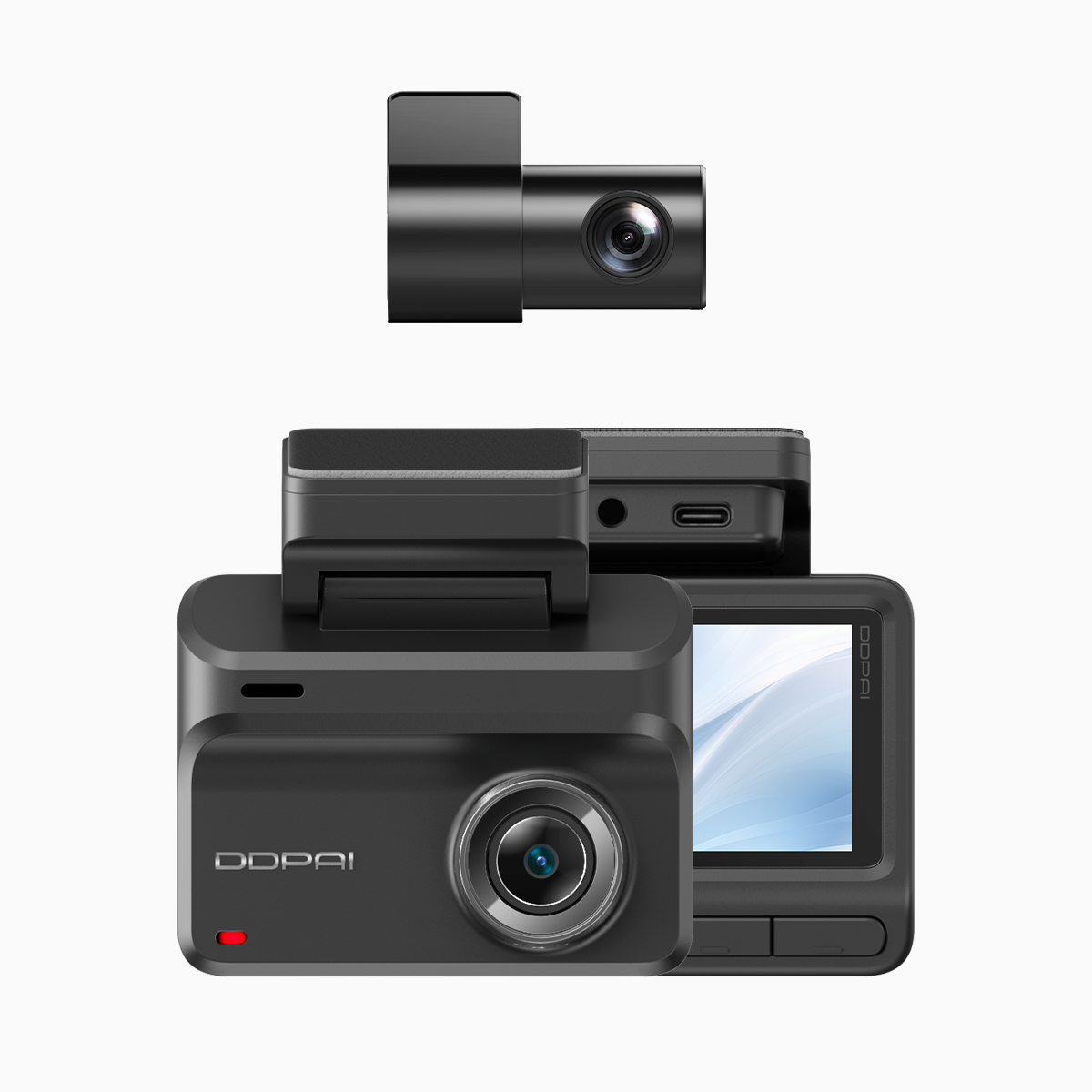
DDPAI’s design choices for the Z50 Pro—manifest in thermal layout, firmware power policies, and the selection of a supercapacitor-backed supply—emerge as a deliberate response to Philippine conditions. By favouring a heat-resilient energy store and by optimizing thermal dissipation, the unit maintains stable 4G transmission and reliable GPS fixes even when interior temperatures run high. The result is a dash cam assembled to prioritize longevity and consistent operation over marginal gains in standby time.
Practical trade-offs and common mistakes
Owners and fleet managers should not infer a single perfect solution for all circumstances. Missteps are common: installing a high-capacity lithium device in a sun-drenched vehicle without shade or ventilation; neglecting firmware updates that refine parking mode thresholds; or relying on unchecked loop recording settings that exhaust storage while masking thermal alerts. Instead, match the power architecture to usage pattern—daily short trips benefit from capacitor resilience; long-stay surveillance may require auxiliary hardwiring or a dedicated battery management system.
Alternative approaches and deployment advice
Alternatives include hybrid systems that combine a smaller lithium cell with a supercapacitor buffer, and hardwired battery packs with active thermal monitoring. For commercial fleets, remote diagnostics and periodic capacity checks lessen unexpected downtime. Emphasize rugged mounting, shaded installation, and the correct selection of SD card class to avoid data loss during high-temperature write cycles—these small measures materially extend the device’s operational life. A brief note—temperatures vary by locale, so calibrate expectations accordingly.
Evaluation metrics and golden rules
When appraising any dash cam for tropical service, employ three decisive metrics: thermal tolerance (rated operating temperature and observed performance at >35°C), fail-safe behaviour (how the device recovers from sudden power loss), and sustained connectivity (consistent 4G/GPS logging under real driving conditions). Measure each metric during a realistic drive profile and verify via device logs. These rules expose weak designs and confirm that a product meets the demands of Philippine roads.
For drivers and fleet operators seeking a balanced solution, the engineering choices made by DDPAI—prioritising heat tolerance and uninterrupted recording—address the concrete risks posed by tropical heat. The practical benefit is plain: fewer failures, more reliable evidence, and longer service life. —