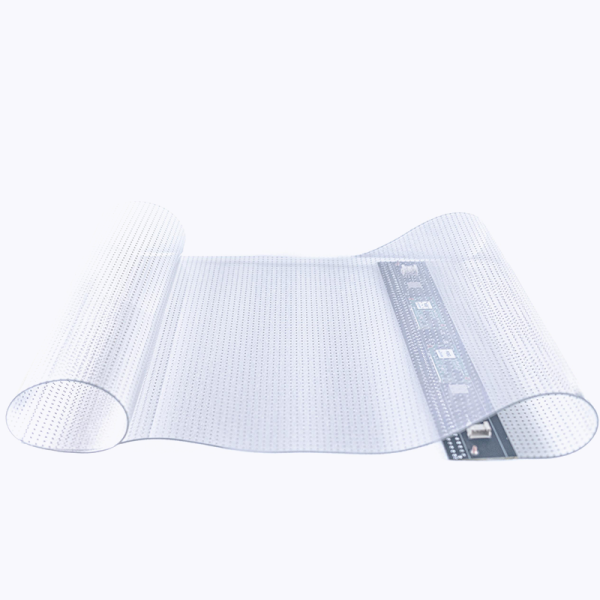
From early modules to today’s fine‑pitch canvases
The story of the indoor led display began with large, visible modules and a focus on sheer brightness; today it’s about resolution, color fidelity, and seamless viewing at close distances. At trade shows like CES in Las Vegas, manufacturers demonstrated how pixel pitch and cabinet design evolved to serve retail windows, corporate lobbies, and control rooms. Practical advances — thinner cabinets, higher refresh rates, and tighter pixel pitch — changed expectations for indoor signage. If you’re researching options, start with a trusted catalog like indoor led display to see how those technical choices map to real products.
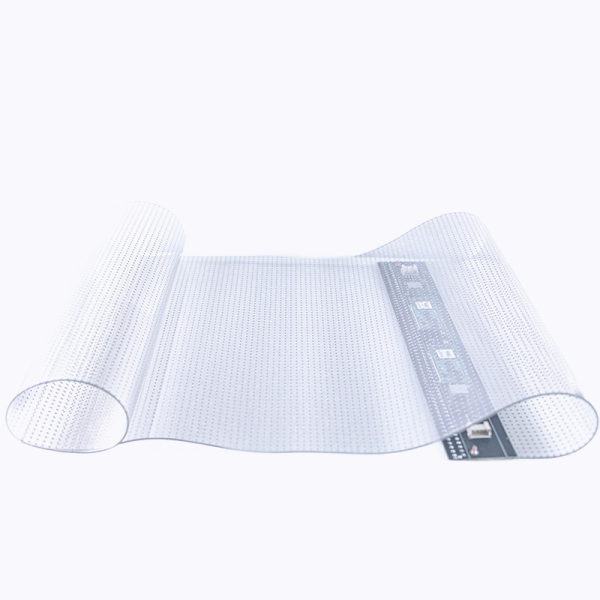
Key technological milestones that reshaped the market
Fine‑pitch LED modules brought a major shift: viewers can stand close to a wall and still see crisp imagery. Other important developments include improved calibration tools, higher contrast ratios, and HDR-capable processing. These are not just buzzwords; they affect perceived sharpness, motion clarity, and color uniformity. Early SMD packages gave way to better micro-LEDs and tighter cabinet tolerances, which reduced visible seams and simplified pixel calibration. The result: indoor LED walls that look and feel more like large-format LCDs — but with superior viewing angles and uniformity.
Design and installation: practical constraints that matter
Selecting a display starts with space, viewing distance, and content goals. Pixel pitch governs the comfortable viewing distance; a 1.5mm pitch suits close-up retail use, while 3–4mm works for meeting rooms. Structural planning must address cabinet alignment, mounting rails, and service access from front or rear. Power distribution and heat management are often underestimated — poor ventilation shortens LED life. Also consider control systems and content servers; a wall is only as good as the media pipeline behind it. — Small choices at this stage determine long-term maintenance costs and uptime.
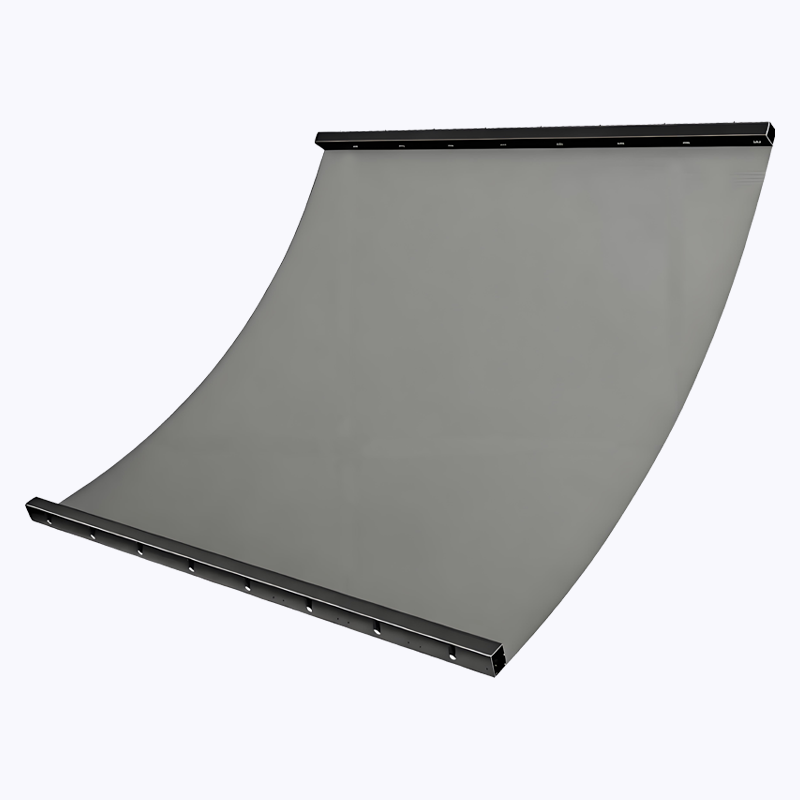
Performance, calibration, and content workflow
Color calibration and uniformity checks are industry practices that distinguish a showroom wall from a functional corporate display. Calibration tools adjust color temperature, gamma, and per-panel luminance so the entire wall reads as a single image. Refresh rate and processing latency matter for live feeds and video conferencing; lower latency improves perceived responsiveness. For content, plan assets at native resolution to avoid real-time scaling artifacts. Regular maintenance — firmware updates, module testing, and cabinet alignment checks — preserves ROI and prevents visible degradation.
Common mistakes and practical alternatives
Buyers often over-spec brightness for indoor spaces, which wastes energy and can flatten color. Others skip verification steps and accept factory demos that don’t reflect their actual environment. Alternatives to a massive LED wall include tiled LCD videowalls or hybrid displays combining LED strips with projection for immersive zones. Each option has trade-offs: LCDs can be cheaper for very high pixel density, while LEDs offer better viewing angles and uniform contrast. Consider environmental factors — ambient light, noise from cooling fans, and access for service — before locking in a solution.
Three golden rules for selecting the right system
1) Match pixel pitch to the nearest typical viewing distance; prioritize native panel resolution over software scaling. 2) Verify deployment conditions: confirm mounting tolerances, power capacity, thermal pathways, and service access. 3) Demand a calibration and warranty plan that covers color uniformity and module replacement timelines. These metrics — pixel pitch, serviceability, and calibration coverage — predict real-world satisfaction more reliably than headline lumen or manufacturer claims.
Putting the evolution to work for your space
Think of the display as part of an operational system: hardware, control, content, and maintenance. Vendors that show real installations and provide calibration services reduce integration risk. For many organizations, the most practical choice is a partner offering transparent specs and on-site support for a best indoor led display wall; that clarity is where long-term value is won. Coblinks. –