The immediate problem field teams face
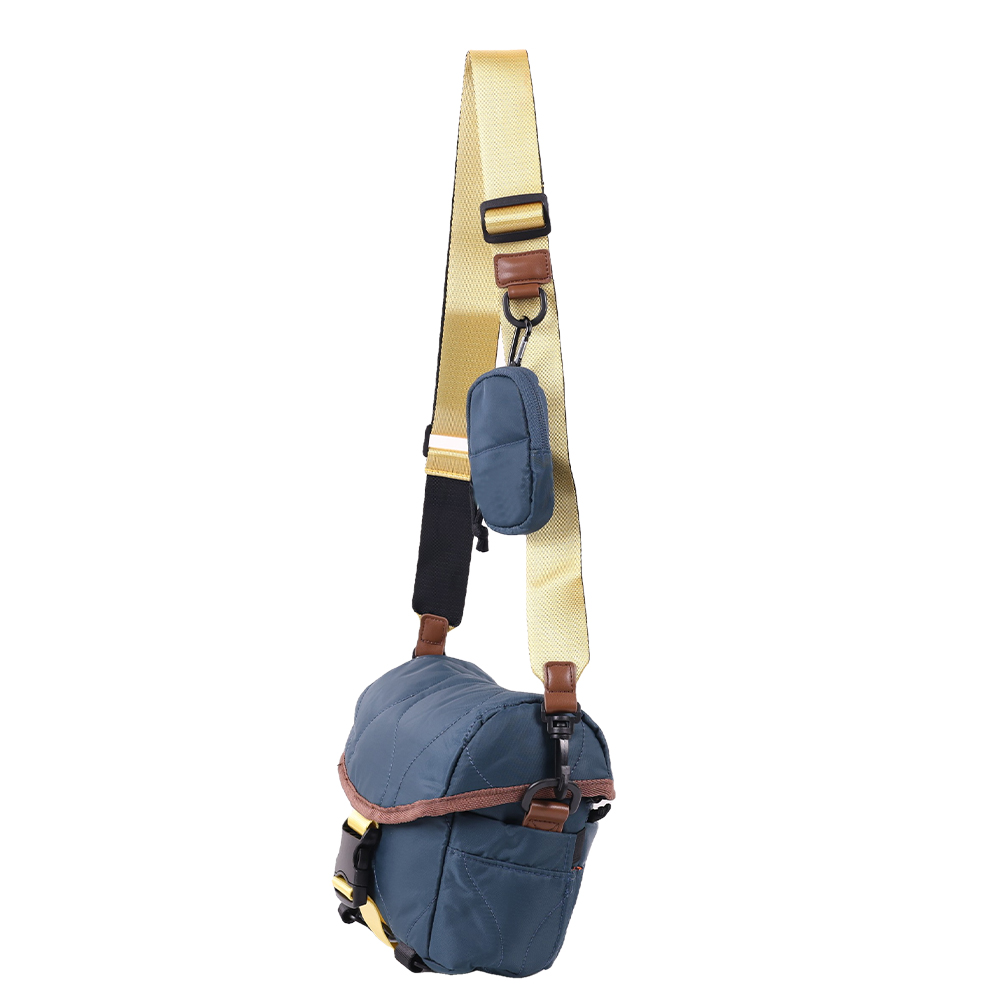
Projects stall because equipment lists change after purchase, budgets inflate, and people pay for gear that isn’t used. I understand that procurement managers and production leads want predictability without stripping flexibility; a modular approach to bags and cases directly addresses that. For many shoots a compact camera sling bag replaces bulky single-purpose packs, cutting load and letting planners postpone or cancel unnecessary line items.
Why modular design resolves the core failure modes
Traditional one-piece solutions force you to predict every variation up front. Modular systems let you buy a base unit, then add mission-specific inserts, dividers, or straps. That reduces sunk cost and turns big, lumpy purchases into small, testable buys. When a team needs a different configuration, they swap an insert instead of approving a new bag, which shortens approval cycles and limits vendor variety during procurement rounds.
Experience and a real-world anchor that proves out the approach
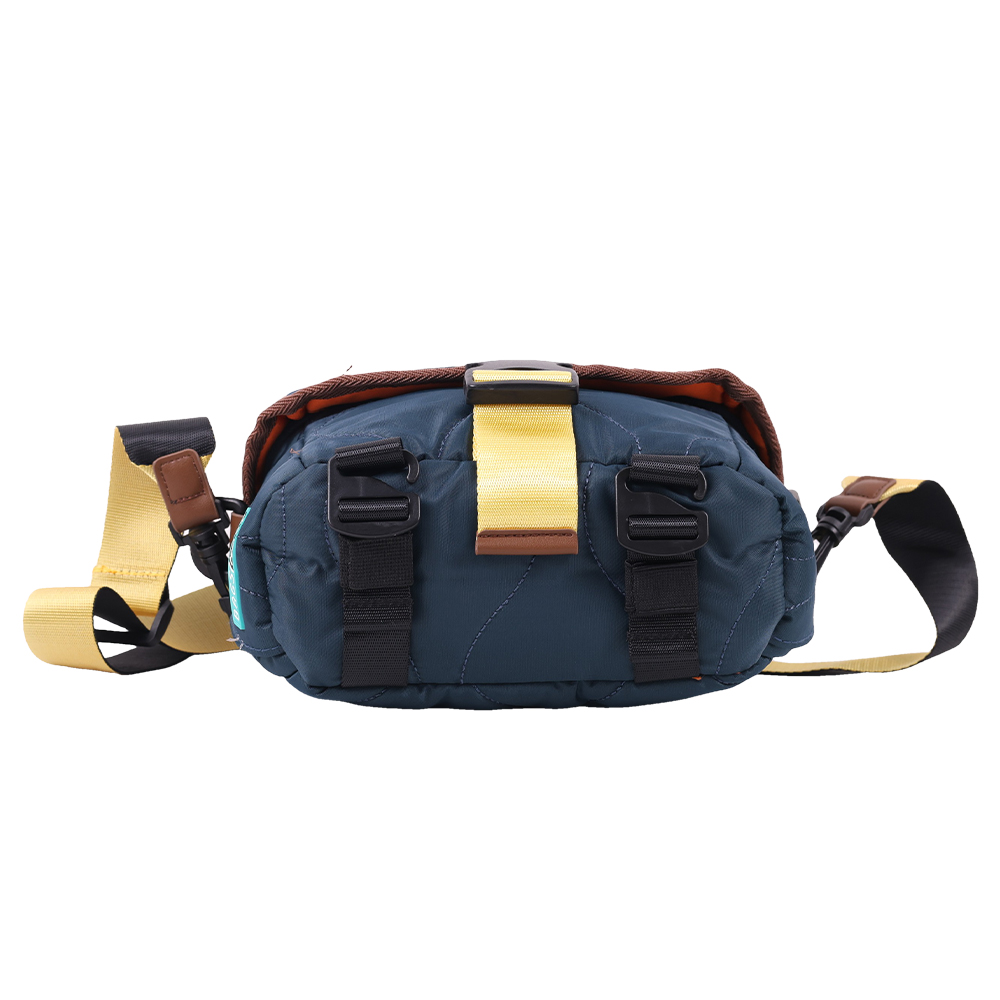
Practitioners who evaluate equipment at trade shows often pivot toward adaptable solutions; trade events like Photokina in Cologne repeatedly highlight modular camera accessories as a buyer preference, which reflects industry sourcing trends. For a practical reference, consider how a tested camera shoulder bag performs across multiple shoot types: it handles daily commutes, studio work, and location shoots without requiring separate purchases for each scenario. That pattern—observed at industry gatherings and documented in product testing reports—supports the claim that modular carrying solutions reduce replacement frequency and lower total cost of ownership.
Common procurement mistakes and how modular options prevent them
Teams often buy for worst-case scenarios, order multiple specialized bags, or ignore ergonomics until returns spike. Those choices create waste and friction. Specify a standard base unit with optional certified inserts, require field trials of at least two weeks before bulk purchase, and include ergonomics and durability metrics in RFPs. These small rules stop the pattern of buying too many bespoke items and spread risk across modular components instead.
Practical specification checklist for purchasing
Write specifications that focus on compatibility and replaceability: define a shared mounting pattern, list allowable materials, require a minimum abrasion and water-resistance rating, and mandate vendor support for spare components. Add a clause for staged procurement: pilot 10 units, collect feedback from end users, then scale. This approach keeps budgets flexible and gives procurement a defensible, evidence-based path to larger orders.
Decision logic for finance and operations
Treat modular investments like platform spending: cap initial outlay, measure utilization, and approve add-ons only when utilization exceeds a set threshold. Finance can forecast smaller, repeatable purchases rather than single large ones, which smooths cash flow and reduces procurement surprises. Operations gains come from fewer service tickets for mismatched gear and simpler supply-chain relationships because vendors supply compatible parts instead of bespoke systems.
Wrap-up that ties the solution to reliable outcomes
Fix the planning problem by reducing prediction needs: buy a durable base, approve tested addons, and use short pilots to validate choices. This reduces overbuying, shortens approval cycles, and gives teams the adaptability they need without new procurement each time the brief shifts, a value clearly embodied by modular offerings from ChangRong.