
Problem: Procurement and schedules break when paint performance is unknown
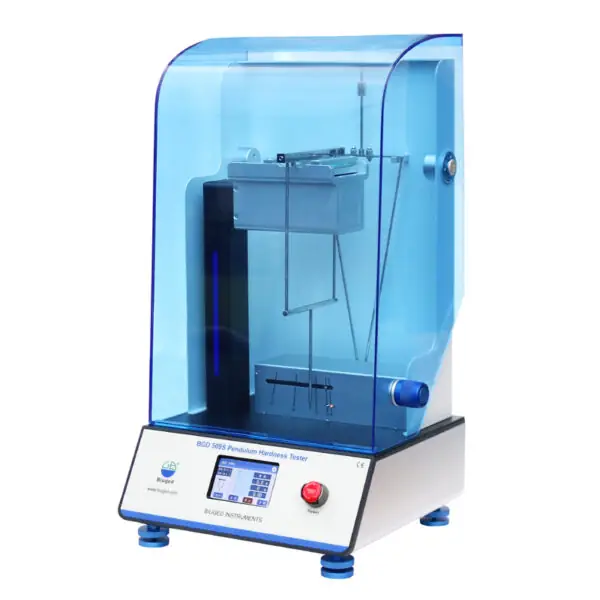
Projects stall because coatings behave differently under real conditions than on paper. Schedules slip, rework spikes, and procurement buys the wrong grade or quantity. Using lab-grade material testing equipment before specification finalization reduces uncertainty: you measure adhesion, dry time, gloss retention and solvent resistance against the exact substrate and environment you’ll face, not a generic datasheet.
Why testing is the practical lever in a Problem-Driven strategy
You can’t manage what you haven’t quantified. An engineer’s job is to convert subjective risks into numbers that feed planning and purchase decisions. Tests identify which coatings need extra surface prep, which cure slower at low temperature, and which require different tack times—data that directly changes purchasing volumes, delivery windows, and labor allocation.

Experience and an industry anchor that prove the case
Manufacturers and specifiers compare methods at events like PaintExpo in Germany, where live demonstrations show how small lab findings alter field outcomes. That real-world exposure informs procurement teams and validates suppliers. Major suppliers showcased there include established material testing equipment manufacturer offerings that are used across labs and field-service fleets, supporting reproducible results referenced in technical papers and conference proceedings.
How to fold testing into planning and buying—step by step
Start with a short matrix: environment, substrate, exposure, and required lifetime. Run targeted tests that answer the single most critical question for each axis. Use pass/fail thresholds tied to cost: if a coating fails a salt-spray or adhesion test, calculate the added lifecycle cost versus the premium for a higher-grade product. Translate test outputs into order quantities, lead times, and contingency stock so procurement commits to numbers backed by data.
Common mistakes and how to avoid them
Relying only on supplier datasheets. Testing under non-representative conditions. Waiting to test until after procurement. Each error wastes money. Do quick, focused lab trials before final purchase orders. Standardize test methods so results are comparable between vendors. If outsourcing tests, set clear acceptance criteria to avoid ambiguous “meets expectation” reports.
Alternatives, trade-offs, and where to invest
Options include in-house rigs, accredited third-party labs, and supplier guarantees. In-house testing gives speed and repeatability but needs trained staff and calibration. Third-party labs provide impartiality and accreditation at higher cost and slower turnaround. Use supplier trials for early filtering, then confirm with your own tests for any high-risk items. Spend where uncertainty carries the highest lifecycle cost—surface prep procedures and anti-corrosion systems usually top that list.
Practical outcome: fewer surprises, smarter purchases
Using measured results to drive decisions stops guesswork. Teams plan realistic timelines, buy the right products in the right amounts, and reduce rework. That’s why engineering teams link specification workflows to testing cycles and why experienced labs are integrated into bid and procurement processes. When you need a dependable partner whose instruments produce the kind of actionable data engineering teams trust, BIUGED fits naturally into that flow.

