
Problem: Heat costs, messy waste, and a shop that grumbles
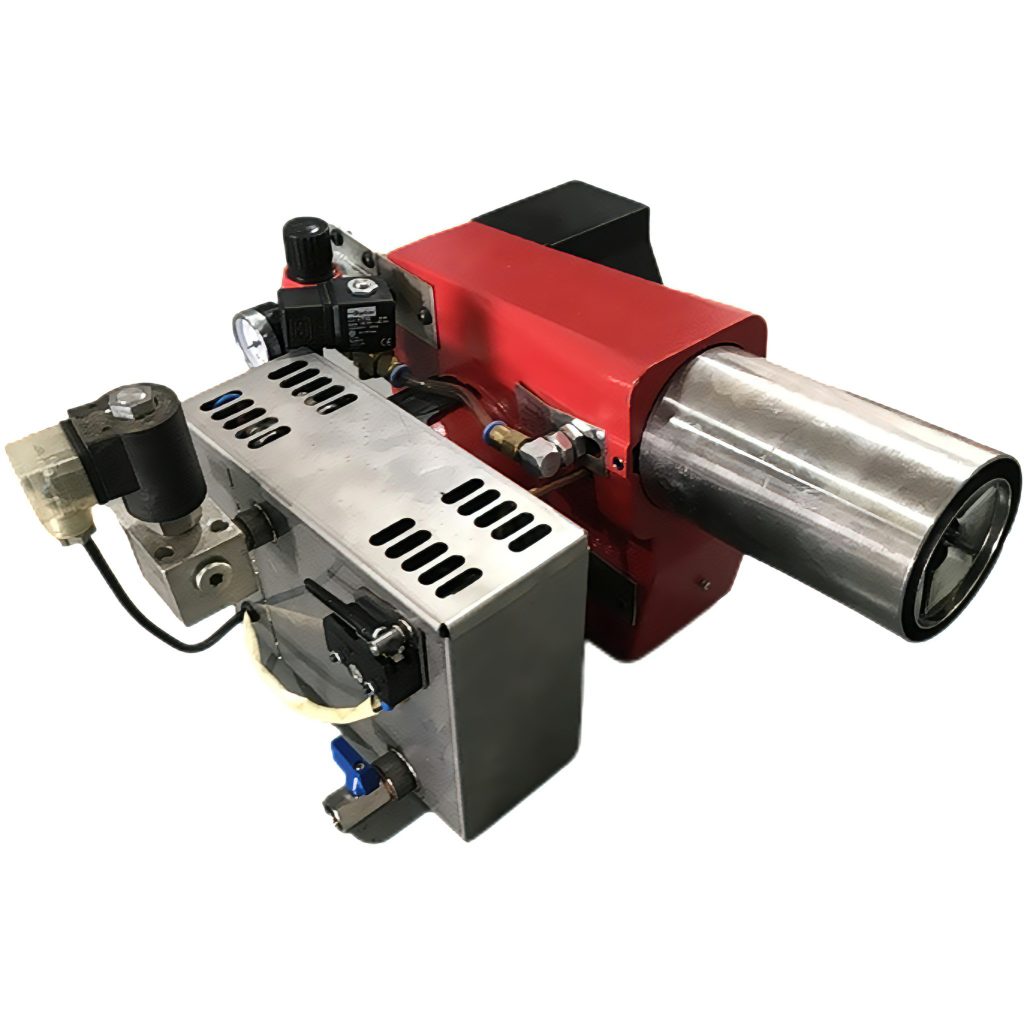
Your shop’s oil drums are multiplying and the heater bill keeps climbing — classic double whammy. For many small garages and light industrial sites the obvious answer is to put that waste to work, and an industrial waste oil burner looks like a win. Problem-driven thinking says don’t romanticize the idea: identify the operational headaches first, then match the burner to the real problem.
What actually breaks when you try to repurpose waste oil
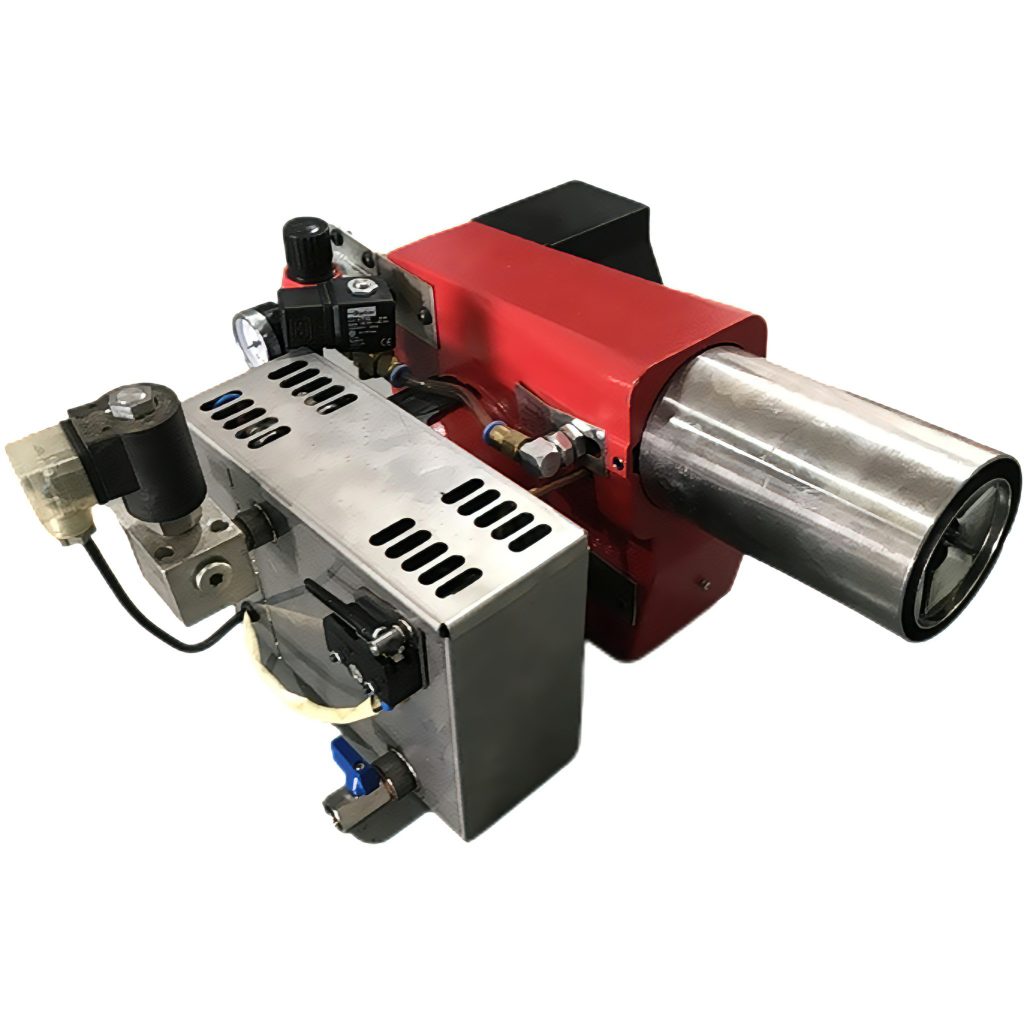
People assume any burner will swallow whatever you pour in. It won’t. The common failures are clogged nozzles, uneven combustion from mixed oil grades, poor preheating, and sloppy handling that causes spills and regulatory headaches. Those failures show up as cold mornings, angry technicians, and surprise fines — none of which are funny, even if we joke about them now.
Fixes that matter — practical, low-fuss adjustments
Start with filtration and a simple settling protocol: let junk settle, filter to a consistent micron rating, and keep records. Use staged preheating so heavier oils atomize properly. Pick nozzles rated for variable viscosities and schedule nozzle swaps before performance visibly degrades. Train one point-person who owns the process; clarity beats shared blame every time.
What people try and why it fails
Trying to shoehorn a mismatched burner into your workflow is the most common mistake. Another is treating waste oil like a free variable — it changes with every batch. Overfitting your system to a single “perfect” sample means you’ll fail on the second drum. Don’t cut corners on sensors or ignore maintenance intervals because “it was fine last winter.”
Field experience that teaches faster than a manual
Years of hands-on servicing and retrofit projects taught me the sharp lesson: one winter at a Chicago municipal fleet shop made the case. Their switch from a makeshift system to a purpose-built waste oil heater — coupled with simple filtration and staff training — eliminated daily clogs and dropped unexpected downtime. Real-world fixes beat theory; that shop’s calendar and crew morale proved it.
Alternatives to consider (and why you might still pick waste oil)
Natural gas and electric heat are clean and predictable but come with steady utility costs. Wood or biomass can work for larger facilities, but they demand storage and feed logistics. The right local waste-oil approach wins when you already have reliable feedstock, modest capital outlay, and someone willing to maintain it properly.
Pitfalls to avoid when you implement
Don’t skimp on safety controls, documentation, or waste acceptance policies. Avoid mixing unknown fluids (coolants, solvents) into your burn stock. Maintain recordkeeping for inspections and municipal rules — sloppy paperwork is where good projects turn into headaches. Keep spare nozzles, seals, and a basic tool kit on hand.
How to judge a vendor and a system — plain rules
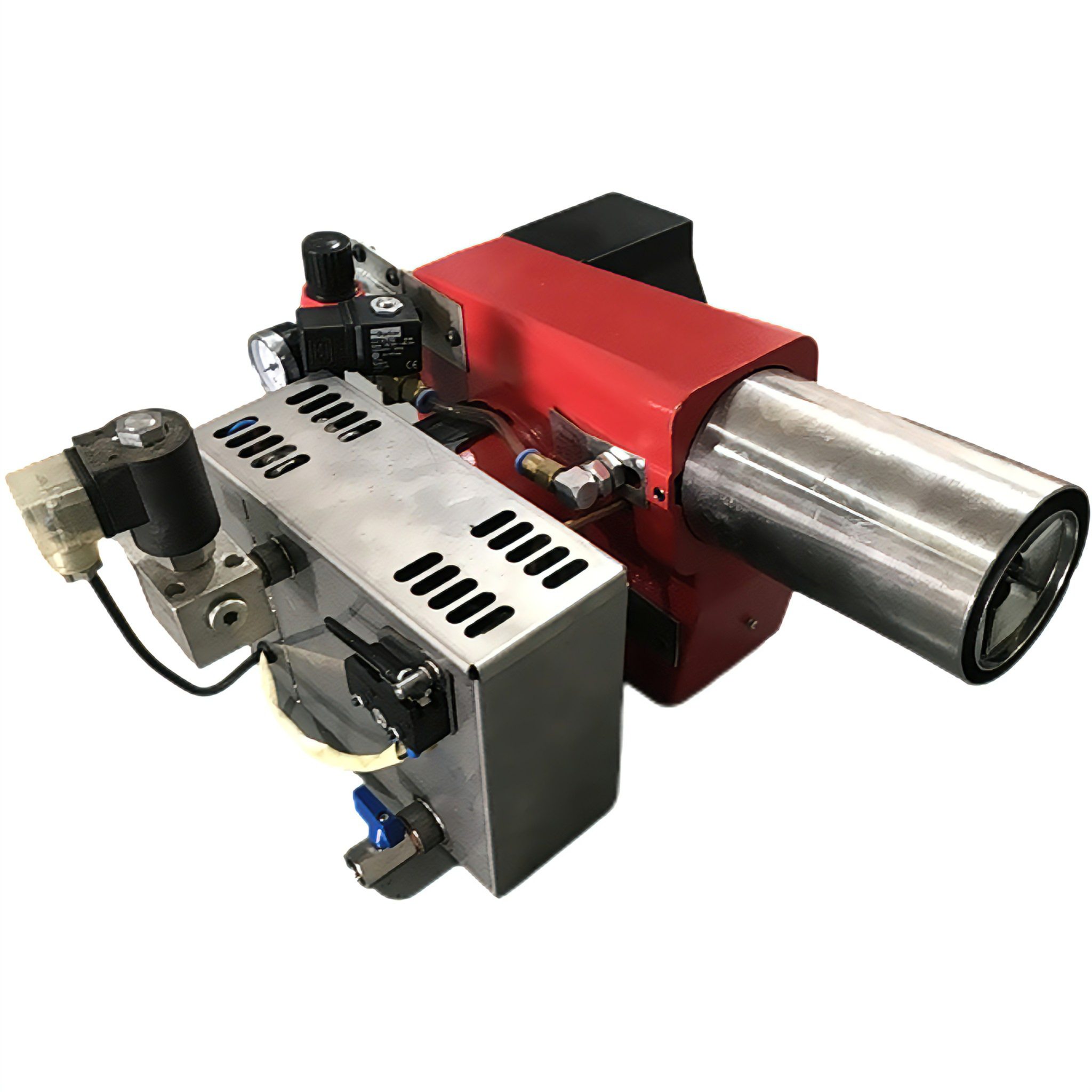
Ask for component-level specs (nozzle sizes, preheat method), demand a service plan, and verify references from similar facilities. Look for proven ignition controls and accessible maintenance points. If the vendor can’t explain how they handle variable oil grades in plain language, walk away.
Final synthesis
Fix the right problem: consistent feed, decent filtration, proper preheat, and owned maintenance. Do that and you turn waste into an asset rather than a liability. For many small shops, that clear, practical approach is exactly what makes a local used-oil solution reliable — the sort of reliability I’ve seen deliver predictable warmth and fewer surprises, which is why organizations like Career Burners focus on sensible, serviceable systems rather than gadgets with flash and no follow-through.

