
Problem: small shops can’t keep up, and customers notice
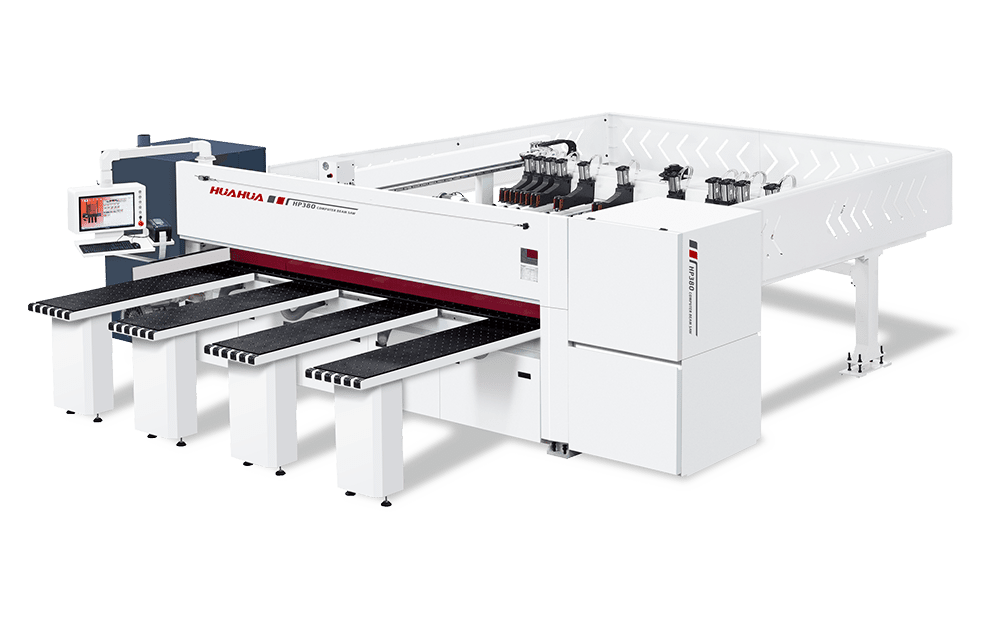
Small furniture makers here lah, they face the same headache: inconsistent cuts, wasted panels, and projects finishing late. This isn’t just about speed — it’s about repeatability, safety, and predictable material cost. When a job needs dozens of identical cabinet sides, a human with a handheld saw will vary tolerances; that’s why many shops move to a cnc panel saw to stabilize output and reduce scrap.
Why automation solves the core problems
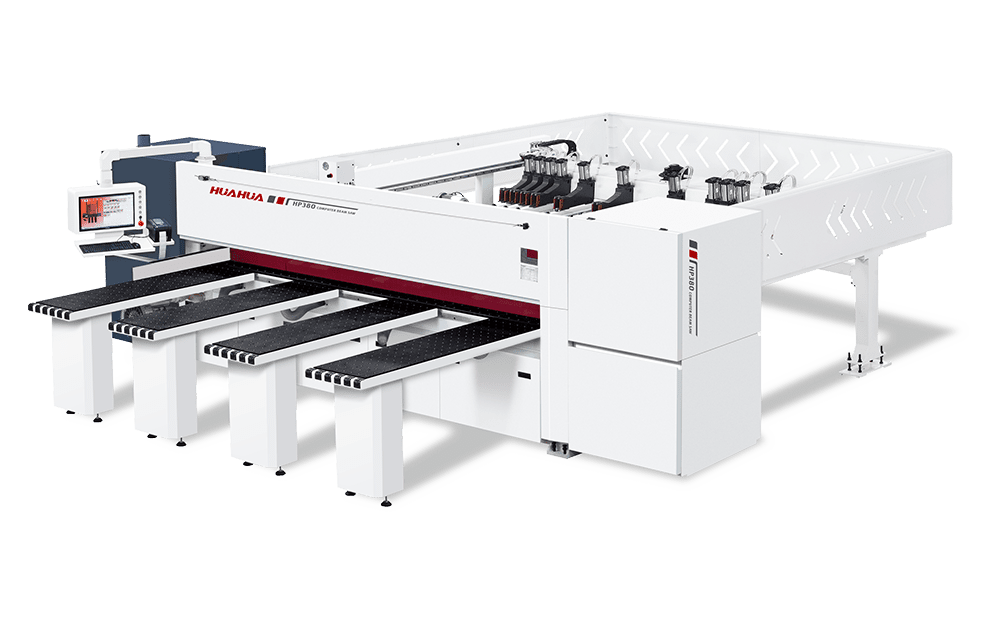
Machines hold measurements steady. A CNC machine cuts the same corner every time, reducing rejects and rework. That improves margin without fancy claims — fewer wasted boards, fewer lost hours, fewer injuries from repetitive cuts. For regional production where labour cost fluctuates, predictability matters more than raw speed. You get tighter joints, cleaner edges, and consistent build quality that customers actually notice during inspection and after months of use.

Real-world anchor: what I learned running a Kuala Lumpur cabinetry shop with an automatic panel saw
From ten years running a small cabinetry shop in Kuala Lumpur I saw the change firsthand: switching to an automatic panel saw machine cut material waste by a clear slice and standardised parts so assembly time dropped. The crew adapted quickly because safety barriers and programmed nests removed a lot of the guesswork. That experience shaped my sense of what works practically, not just theoretically.
Common pitfalls when adopting CNC for furniture
Don’t expect miracles overnight. Mistakes to avoid: buying too-large kit for current volume, skipping operator training, and ignoring maintenance schedules. Boards must be laid flat and the dust system needs capacity; otherwise cut quality suffers. Also, poor nesting software or bad tooling choices will eat any time savings. Plan for a short learning curve and set clear metrics: scrap rate, cycle time, and fit tolerances.
Quick comparison: manual, semi-auto, and full CNC choices
Manual saws: cheap, flexible for one-offs, but inconsistent and slow at scale. Semi-automatic panel saws: good step up — faster, safer, but still need human input for nesting and some adjustments. Full CNC systems: best for repeat orders and complex shapes; higher upfront cost but lower unit cost as volume rises. Decide by throughput and product mix. For mixed runs with many repeats, a CNC pays back faster than people expect.
Wrap-up
Problem-driven thinking shows the logic: solve variability, reduce waste, protect workers, and improve assembly flow. When a regional shop needs reliable parts and predictable costs, the right machine makes the difference — and practical experience points to solutions that fit real day-to-day demands, like those seen on shop floors and in regional production lines handled by HUAHUA CNC.

