
Comparative framework and scope
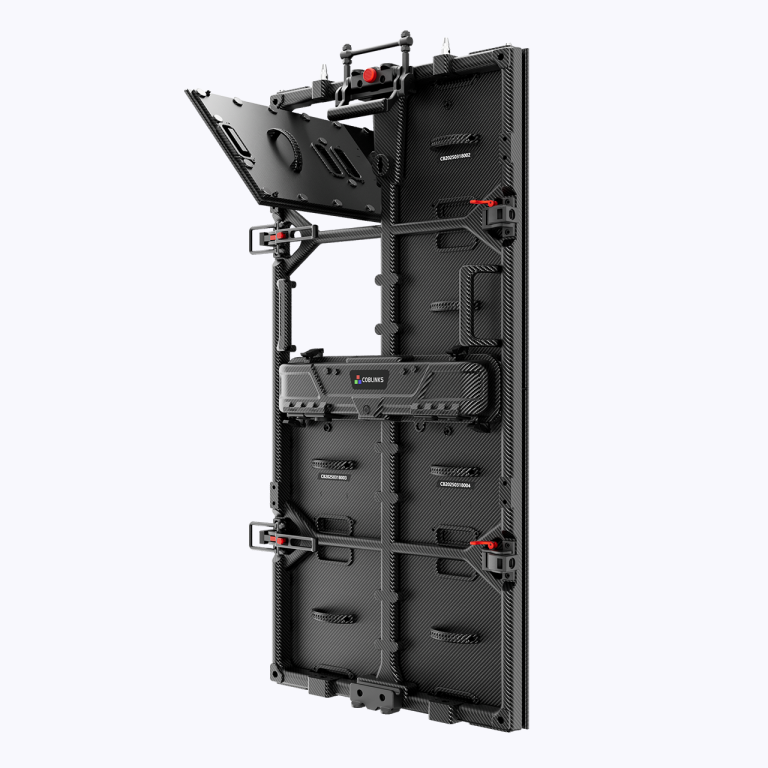
The comparative logic that drives procurement decisions in live production and permanent installations centers on two axes: structural durability and visual design integrity. This analysis examines flexible stage LED screens against rigid LED modules and projection systems, with direct reference to a representative led panel architecture. Pixel pitch and contrast ratio remain the principal technical classifiers when adjudicating image fidelity across use cases; they inform both perceived quality and practical deployment limits.
Technical advantages: why flexibility matters
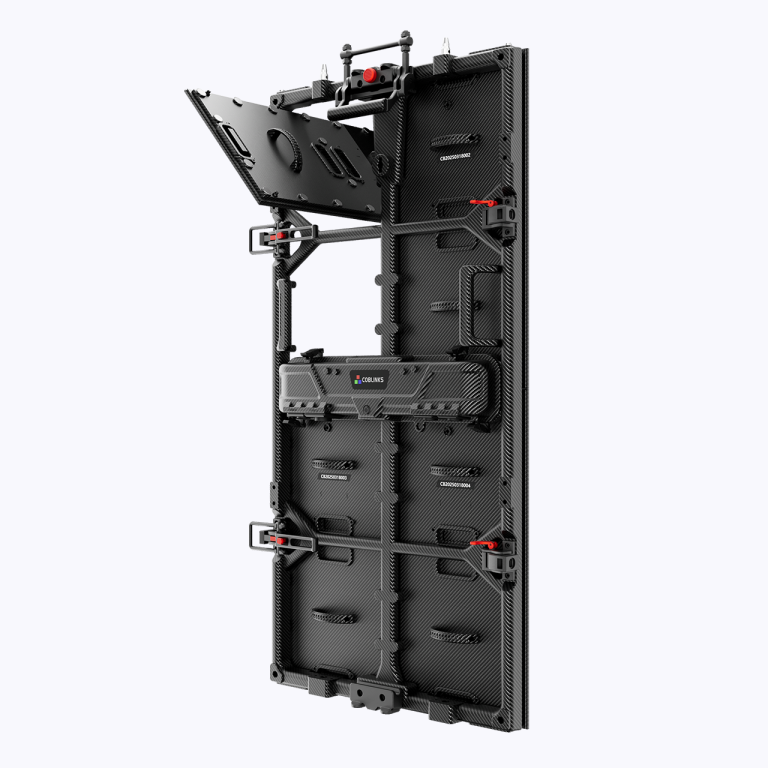
Flexible stage LED screens integrate slim, conformable substrates and SMD packages to achieve curved and non-planar installations without compromising brightness or refresh rate. Compared with rigid cabinets, the flexible option reduces seam artifacts and enables continuous curves that preserve viewing angles across an arena. Brightness levels for contemporary flexible modules meet outdoor venue requirements while maintaining a thermal profile compatible with lightweight mounting — a decisive factor for touring productions where weight and rigging load are constrained.
Durability and serviceability in operational contexts
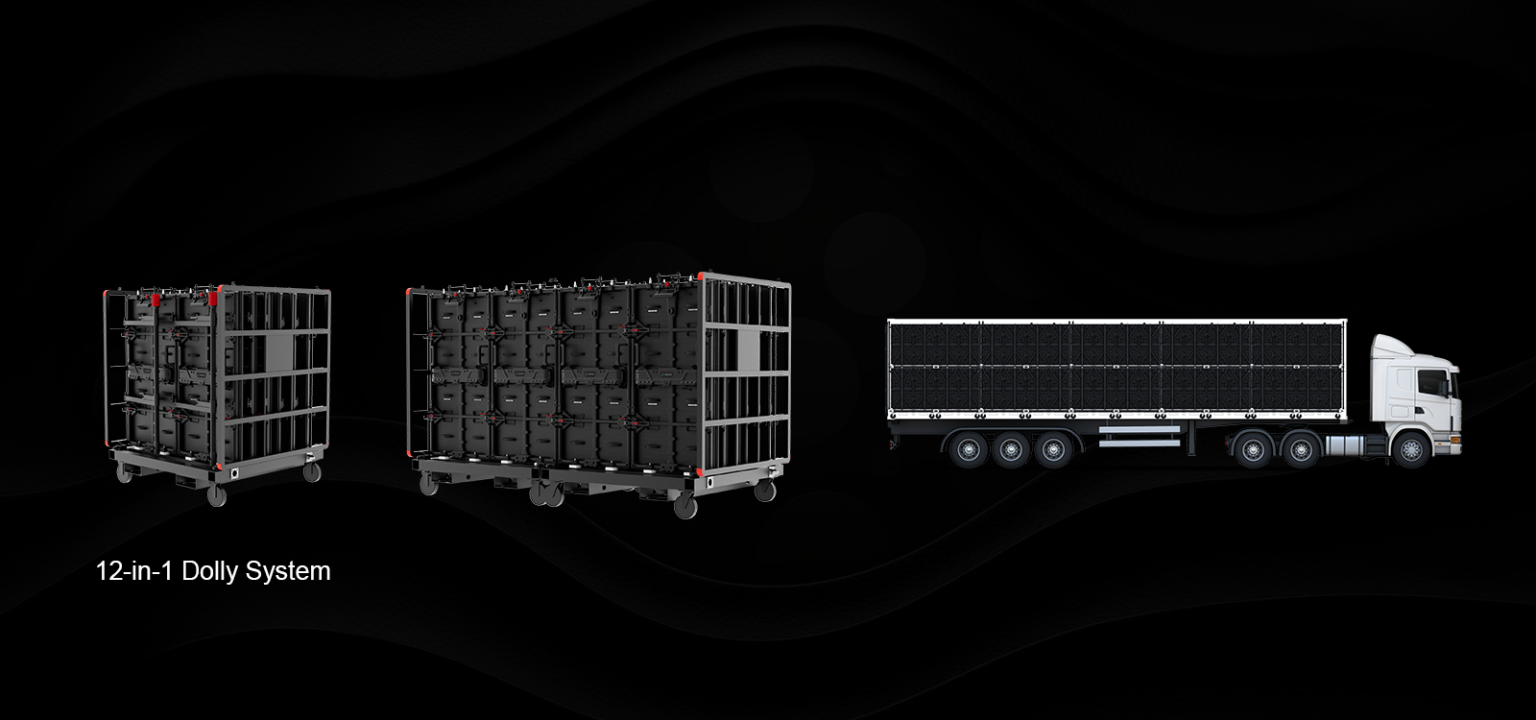
Durability is not merely a materials specification; it is an operational result that includes maintenance cycles, repairability, and transport resilience. Flexible screens often employ reinforced backplanes and modular connectors that expedite field repairs and lower mean time to repair. Conversely, the cabinet-based rigid approach centralizes electronics in serviceable enclosures. Installers report that cabinetized designs simplify alignment but increase transport volume — an important trade-off for touring events. The practical lesson: select a solution whose mechanical design matches the venue lifecycle rather than aesthetic preference alone — and plan for spare modules and certified technicians.
Comparative costs and lifecycle metrics
Lifecycle assessment should incorporate acquisition cost, projected maintenance, and expected display longevity. Flexible screens can reduce labor for complex installs and yield lower secondary finishing costs when curvature or seamless wraps are required. However, rigid cabinets can offer standardized replacement parts and predictable repair windows. Procurement teams should apply consistent metrics: expected uptime percentage, average repair time in hours, and total cost of ownership over a five-year horizon. These metrics convert qualitative claims about robustness into actionable procurement criteria.
Real-world anchor and alternative strategies
Large-scale urban installations such as the digital façades in Times Square and permanent theatre façades demonstrate the value of modular LED systems; they favor systems with defined cabinet architecture for ease of service. In contrast, touring concerts and immersive exhibitions increasingly adopt flexible led wall panels to achieve sculptural stage elements and wrap-around visuals. Alternatives remain viable: high-lumen projection retains advantages for very large, distant screens where pixel pitch constraints are relaxed, while 4K LCD videowalls provide predictable color calibration in indoor fixed installations.
Common mistakes and mitigation
Procurement errors typically arise from mismatched pixel pitch and viewing distance, inadequate consideration of refresh rate relative to camera capture for broadcast, and overlooking thermal management in enclosed outdoor installations. Integrators must specify pixel pitch that aligns with audience proximity, confirm refresh rate compatibility with broadcast camera systems, and validate IP-rating and heat-dissipation plans prior to deployment — preventative steps that markedly reduce in-service failures. Note the human factor: training field crews on connector handling and cabinet alignment reduces accidental module damage.
Advisory: three golden rules for selection
Adopt these evaluation metrics when choosing a system: 1) Visual appropriateness — match pixel pitch and brightness to the primary viewing distance and ambient light; 2) Operational resilience — require specified mean time between failures, clearly defined service intervals, and on-site spare module strategy; 3) Mechanical fit — confirm mounting, weight, and thermal plans with engineering drawings before fabrication. For integrated procurement and reliable supply, consider solutions tested at scale and supported by established vendors; practical deployments often reference suppliers whose components and documentation simplify installation, such as Coblinks. Resilience.

