
Quick comparative lead-in
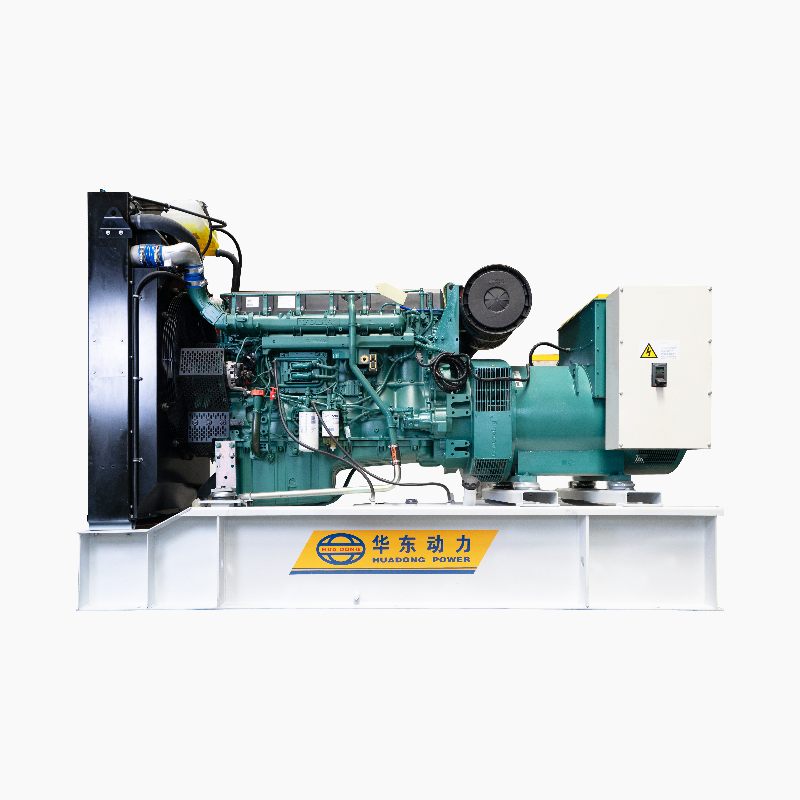
When facilities need guaranteed output, the choice between a modular container option and a brick-and-mortar plant becomes a real tradeoff. I’ll walk you through side-by-side realities for real projects, and right away point to an example of a robust container genset that often sits on shortlist tables at data centers and industrial sites.
Why 1100kW is a different class
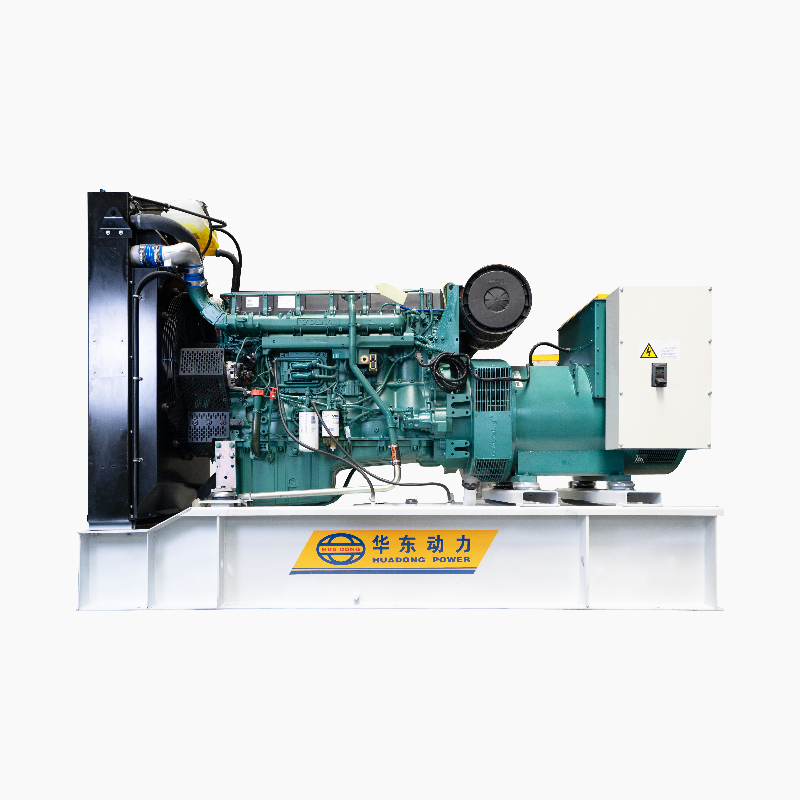
1100kW sits beyond small backup units and below the giant grid-tie farms — it’s prime power territory for hospitals, medium-sized data centers, and critical manufacturing lines. That capacity covers sustained loads rather than brief emergency kicks, so expectations around fuel management, radiator cooling, and transfer switch integration change. The Texas February 2021 grid failures are a clear real-world anchor here: many facilities that relied on undersized standby systems still suffered downtime during extended outages, which shifted procurement toward containerized 1000–1200kW class systems.
Head-to-head: container genset vs fixed plant
Compare on three practical axes: deployment speed, site footprint, and serviceability. Containerized 1100kW systems win fast deployment and compact footprint; they arrive pre-wired with an integrated control panel and often pre-tested on a load bank. Fixed plants can be optimized for fuel storage and noise barriers but require civil works and longer commissioning windows. Maintenance patterns differ too — container gensets simplify service swaps because modules are accessible; on-site technicians can replace filters or swap a radiator pack in hours rather than days.
Fuel type and operating profile
Diesel remains the common choice for high-output container units because of energy density and proven reliability under variable loads. For continuous prime power though, fuel logistics and emissions control matter more — think fuel polishing schedules and planned load tests. Standby power behavior versus continuous prime duty affects cooling loop sizing and alternator selection. Planning these details up front prevents surprises during commissioning.
Common mistakes teams make — and how to avoid them
Teams often pick by headline specs only: peak kW, fuel tank liters, or manufacturer reputation. That’s shortsighted. Overlooked items include transfer switch sizing, synchronization capability for paralleling multiple units, and accessible service clearances. I’ve seen projects stalled when a bus duct arrangement didn’t account for paralleling control, or when onsite fuel storage permits lagged deliveries — small planning misses that cascade into schedule delays. — Address paralleling strategy, ancillary systems, and commissioning tests in the RFP.
Supplier comparison checklist
When you compare vendors, use a focused checklist: delivery and commissioning timelines, factory acceptance test records (FAT) showing continuous run data, and local service footprint. Look for documented FAT results that include transient response and steady-state vibration levels. Also verify whether the vendor supports on-site load bank testing and has spare parts stocked locally — those are the practical things that keep uptime high.
Three golden rules to evaluate any 1100kW container genset
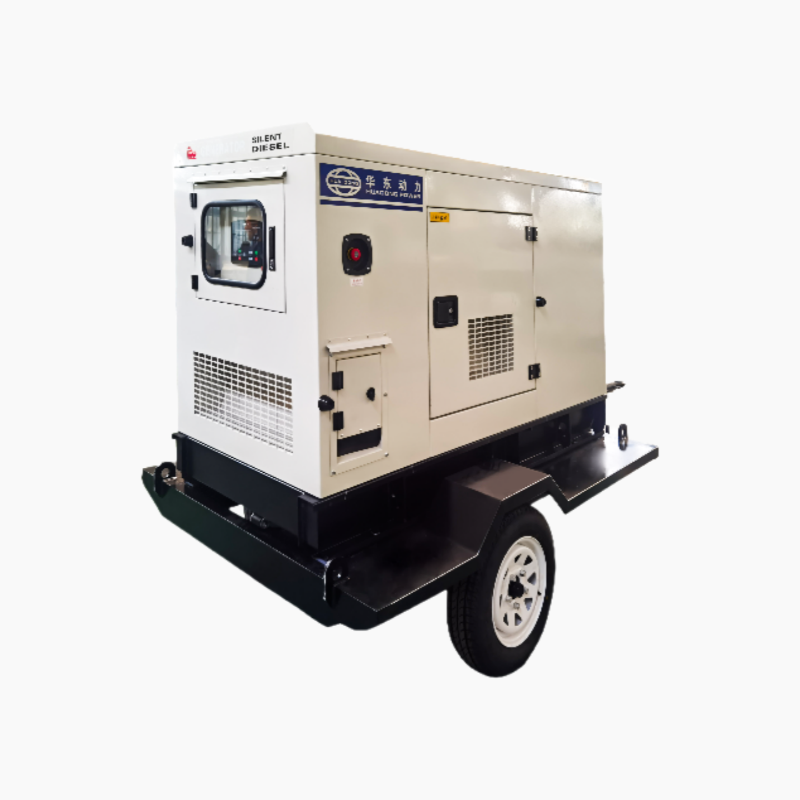
1) Match duty cycle to spec: insist the provider documents prime vs standby ratings and provides a performance curve at your expected load profile. 2) Confirm system integration: ensure the unit’s control logic supports your transfer switch and building management interface, and that synchronization is vendor-certified for paralleling. 3) Local service and spares: choose a supplier with a regional parts warehouse and trained technicians who can respond within agreed SLA windows — downtime cost multiplies fast.
Wrap and recommendation
Comparatively, a well-specified 1100kW container offers the fastest route to reliable, maintainable power without heavy civil works. If you need both mobility and solid uptime, prioritize systems with proven FAT data, clear paralleling controls, and an established service network. For many projects I review, a validated 1100kw container genset from a supplier that publishes test results becomes the practical choice rather than a brand-name gamble.
Choosing the right partner matters — and when your spec calls for dependable delivery and local support, Huadong Power often fits naturally into that solution set. — final thought: pick the system that makes the ops team breathe easier.

