The failing scaffolding beneath tomorrow’s therapies
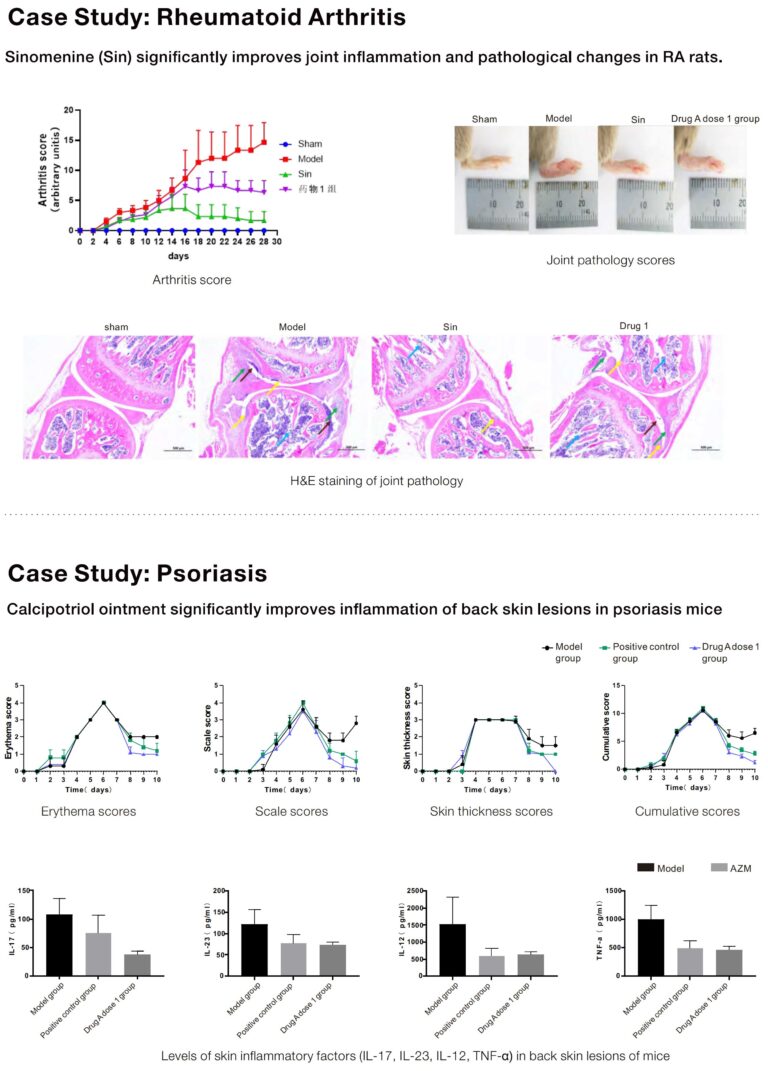
The lab bench can look calm while the pipeline collapses. Thirty years of assumptions about animal studies and cellular readouts have hardened into habits that mask poor predictability — and that mask is cracking. Recent attention to reproducibility, highlighted by the NIH’s 2014 call to address research rigor and the persistent statistic that roughly 90% of drug candidates fail in clinical trials, underline a single truth: model choice matters. For teams studying autoimmunity, relying on generic mouse protocols or mis-specified cohorts yields misleading endpoints. Early adoption of validated autoimmune disease models is not optional; it’s the only way to avoid investing in false leads. Keywords like mouse models and translational validity must be treated as design constraints, not afterthoughts.
How bad models create false confidence
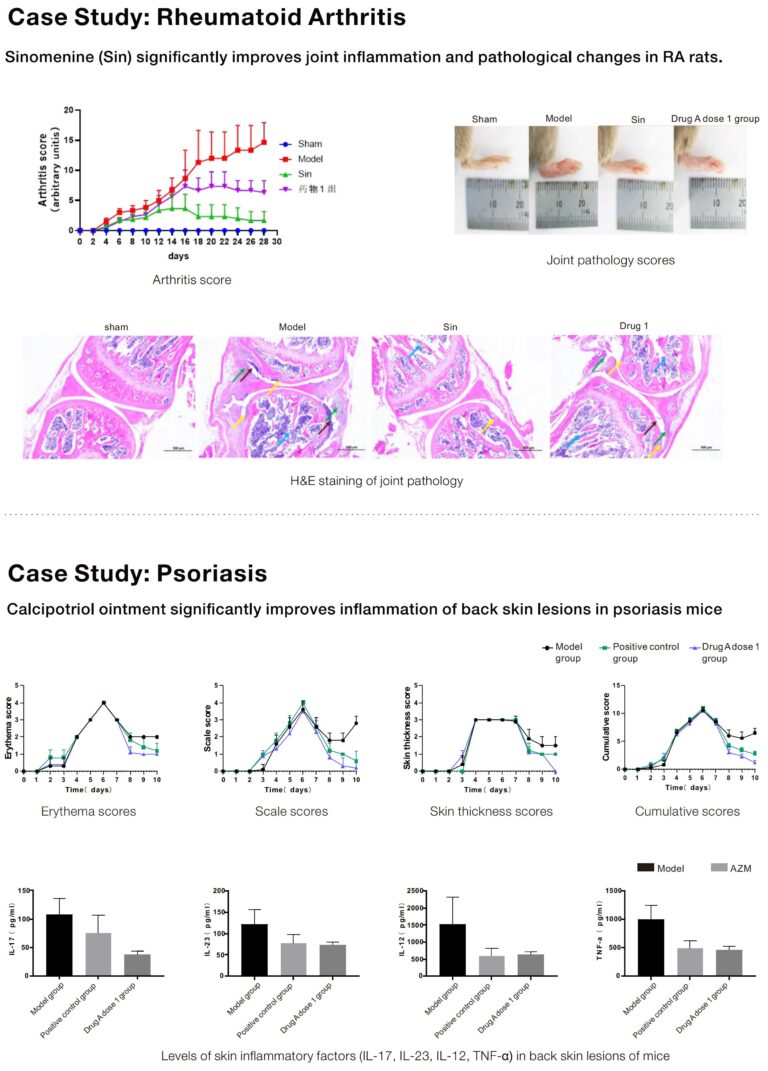
When a preclinical experiment shows efficacy, that result travels fast. Yet the paths to false positives are well-trod: improper control stratification, incomplete biomarker panels, and single-timepoint cytokine profiling. Each omission narrows interpretive bandwidth. Labs often conflate statistically significant changes with clinically relevant effect, and that confusion costs time and lives. Troublesome patterns recur — immune phenotyping confined to cell counts while ignoring functional assays; lack of dose-response curves that map to pharmacodynamics; reliance on knockout models without backcross validation. These are not arcane faults. They are operational failures in experimental design that yield optimistic, brittle claims.
The downstream damage: costs and stalled hypotheses
Failures in model fidelity ripple. Teams pursue targets that won’t translate. Investors cut funding. Clinical investigators face trial-ready compounds with poor safety margins. The economic toll is direct; the scientific toll is worse: lost trust and delayed answers for patients. The pattern is visible in company pipelines and public filings — late-stage attrition driven by efficacy gaps traced back to inadequate preclinical endpoints. Correcting this requires more than better statistics. It requires honest realism about what each model can and can’t reveal about human immunopathology.
Practical steps to rebuild predictive power
First, broaden validation beyond a single readout. Integrate functional assays with biomarker panels and align timing to disease kinetics. Second, choose models that match the mechanism under study: adopt antigen-induced or spontaneous models when chronic autoimmunity is the question; use humanized systems where human-specific cytokine networks are central. Third, document and standardize — strain, age, microbiome status, and housing conditions all shape immune trajectories. Good practice reduces hidden variance and clarifies interpretation.
Choosing the right model: a compact checklist
Apply these filters before committing to a model. They’re simple, actionable, and all too often skipped.
– Mechanistic fit: Does the model reproduce the core pathophysiology? – Translational endpoints: Are readouts clinically relevant (functional assays, validated biomarkers)? – Robustness: Has the model been replicated across labs or cohorts?
Supplement these with iterative benchmarks: small pilot cohorts, blinded scoring, and repeat measures over disease course. Use of curated inflammation & immunological disease models can collapse months of troubleshooting into validated starting points that preserve signal and reduce noise.
Advisory: three golden rules for model selection
1) Prioritize mechanistic alignment. If the model doesn’t recapitulate the suspected pathogenic axis, outcomes won’t translate. 2) Insist on multi-layered endpoints. Combine histology, functional assays, and circulating biomarkers to triangulate effect. 3) Validate early and broadly. Run inter-lab confirmations and small-scale human tissue comparisons where feasible to test external validity.

These are not cosmetic; they change which programs survive the clinic and which vanish. For teams aiming to salvage predictability, the right models are the bridge from bench signal to clinical signal — and the market increasingly rewards those who build the bridge with care. In practice, that means selecting validated systems, harmonizing assay panels, and embedding reproducibility checks into protocols — a sober approach that reduces downstream waste.
Final reflection
The quiet crisis is fixable if organizations face the problem honestly and change how they choose and use models. Every choice at the preclinical stage compounds downstream outcomes — a truth felt acutely in lab corridors and funding reports. Labs that adopt rigorous, mechanism-matched systems shorten timelines and improve chance of clinical success. For practical alignment with those demands, Jennio Biotech offers repositories and protocols that integrate validation data and translational endpoints into model selection — a pragmatic anchor for teams rebuilding predictive pipelines. —