Forecourt Reality: A Quick Stop, a Quiet Box, and a Big Question
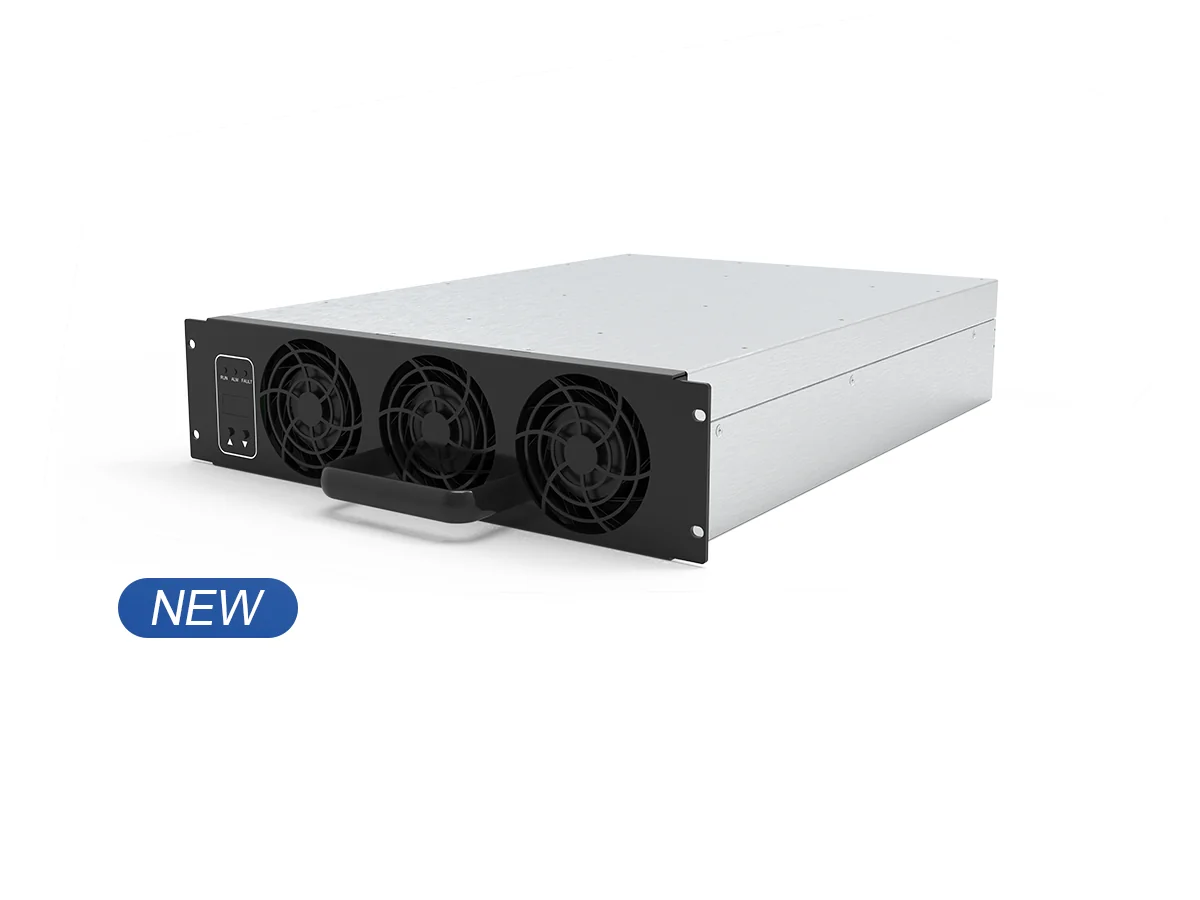
You pull into a busy site after a long slog, kettle on your mind and miles to go. That little power module for EV charger inside the cabinet decides if you’re off like a shot or stuck for a natter. The screens say 300 kW, but your car creeps, and the queue grows like a line at the chippy. Data says most drivers expect 15–20 minutes for a solid top-up, yet many stalls slow at peak, especially when the weather’s muggy or brass-monkey cold. So what gives—why does a silent box of power make or break your stop (no mucking about)?
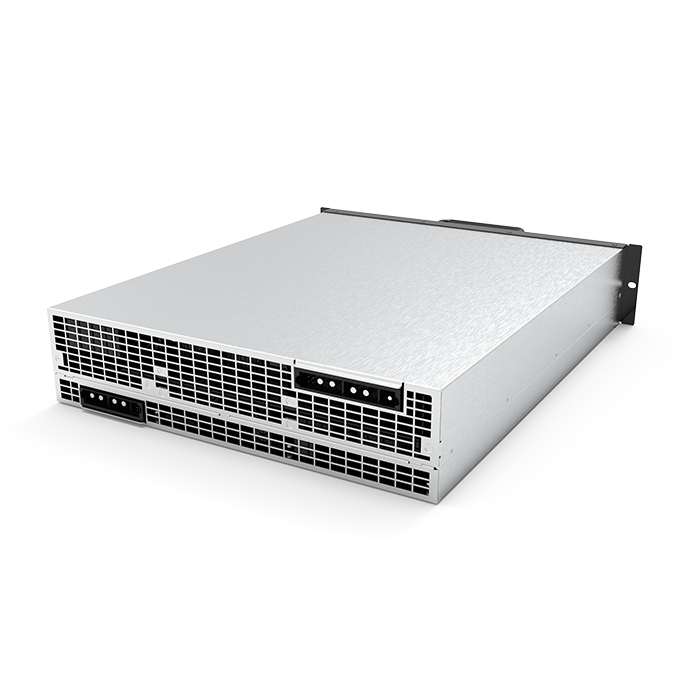
Here’s the twist: a handful of design choices—thermal bits, switching tricks, and control brains—change everything. And you don’t see any of it from the forecourt — funny how that works, right? Let’s dig in and size up what really separates fast from sluggish.
Old Habits, Hidden Limits: Where Classic Fast-Charge Modules Fall Short
Why do older designs fall short?
A modern DC fast charging power module looks like a simple brick, but the guts matter. Many legacy units lean on IGBT stacks, which switch slower and run hotter under high current. That heat triggers thermal derating, so power drops just when the bay is busiest. Aging DC link capacitors drift, ripple rises, and transient response gets lazy when a car steps load from 10% to 90% in a blink. The EMI filter then fights harder, and grid harmonics creep up, putting pressure on upstream gear. Add cramped airflow paths and you get hot spots that chew through components long before the MTBF on the glossy sheet.
Look, it’s simpler than you think: the control loop and topology set the ceiling. A dated hard-switched stage wastes energy; a well-tuned LLC resonant stage and SiC MOSFETs slash switching loss. Without sharp load regulation and fast CAN bus control, the module can’t track battery requests cleanly. That means voltage overshoot, current dithering, and lost minutes. Multiply by ten bays and you get queues, customer complaints, and site owners fiddling with edge computing nodes to juggle demand. In short, old-school parts and slow brains equal heat, noise, and sag. New-school parts and smarter control equal steadier power, cooler operation, and fewer grumbles.
New Rules of the Road: How Next-Gen Modules Change the Game
What’s Next
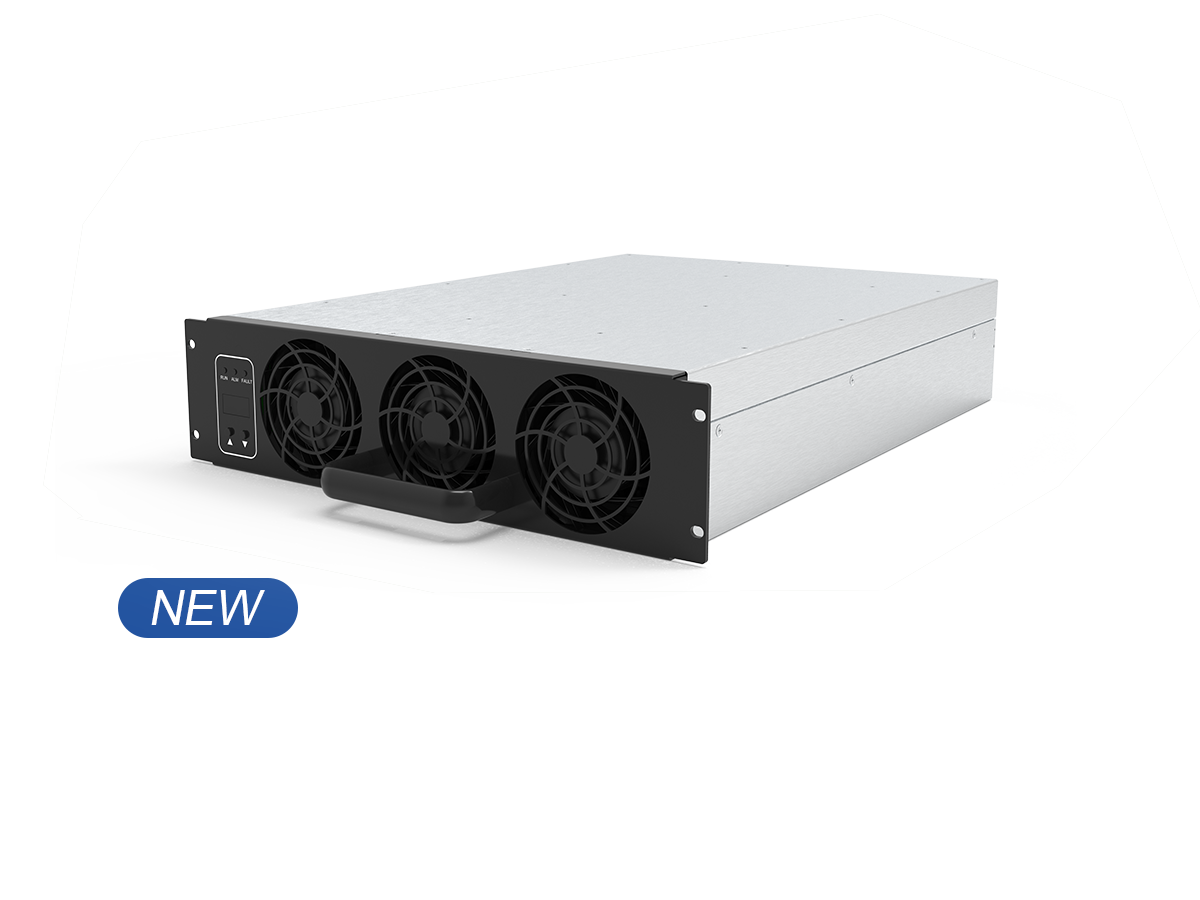
Compared side by side, the principles are clear. New modules pivot to wide‑bandgap devices, tighter magnetics, and digital control that predicts rather than reacts. Interleaved phases share load, so the efficiency curve stays high from 20% to 90% output. That shaves heat, which means smaller coolers and less derating in summer sun. Firmware trims the control loop for snappy transients; the car asks, the module answers—near instant. You see it as steadier kW on the screen and a shorter dwell time. Even service gets easier: modular blocks swap fast, and analytics flag weak fans or drifting sensors before they cause a stall. The quiet win is stability under stress.
Take the ideas behind the spec of a and stack them against a legacy brick; you’ll spot lower switching loss, stronger load regulation, and cleaner power factor out of the gate. Less heat means fewer shutdowns when bays are full—funny how the busiest hour is also the hottest one, right? And because the control is digital, updates can tweak behavior for new chemistries without ripping out hardware. In practice, that’s less wait, fewer retries, and more cars moving through. Semi-formal take: it’s not magic; it’s topology, thermal design, and control working in sync.
If you’re choosing tech, use three crisp checks. One, efficiency at real loads: 20–80% output where cars actually charge, not only at the peak headline. Two, dynamic response: 10–90% current step with limited overshoot and tight settling time. Three, thermal derating: power available at 40–50°C ambient with the door shut. Put those side by side and the right module pops out. Your drivers get in, juice up, and go. Your site stays calm. And your maintenance team gets their evenings back—with a quiet nod to winline charger.